The Municipal Affairs Bureau (IAM) announced in a statement yesterday that shrimps sold at the “Thai Original” restaurant (泰原味) in Taipa were found to contain excessive amounts of Vibrio parahaemolyticus in a sample of raw marinated shrimp during a IAM routine food inspection.
The statement noted that the Municipal Affairs Bureau has ordered the restaurant to halt the sale of the product and to rectify its food preparation and handling procedures, adding that the business must comply with all safety and hygiene requirements and pass a re-inspection before it will be allowed to resume business.
The shrimp sample, rated as “unsatisfactory” for failing to meet the relevant standards set in the bureau’s microbiological guidelines for “ready-to-eat food”, was collected from “ Thai Original” on Rua de Tai Lin (大連街) in Taipa, the statement said, adding that in addition to the business suspension, the bureau has mandated the person in charge of the establishment to arrange for their staff to attend food hygiene supervision courses, aiming to enhance the employees’ awareness of hygiene practices in food handling and preparation.
V. parahaemolyticus is a halophilic* bacterium widely found in the marine environment and a common cause of food poisoning, the statement said, adding that foods susceptible to contamination by V. parahaemolyticus are mainly seafood, including fish, shellfish, molluscs, and crustaceans.
According to the statement, V. parahaemolyticus can be effectively sterilised by thorough heating, and there is a higher risk of consumption of raw seafood dishes that have not been thoroughly heated, such as raw marinated shrimp and raw marinated crabs.
The incubation period of food poisoning caused by this organism ranges from two to 48 hours, and the main symptoms include watery diarrhoea, abdominal pain, nausea, vomiting and fever, which may last for two to five days, the statement said.
The statement reminded the food industry to be fully aware of the place of origin and specifications of food ingredients before procurement. Furthermore, the bureau called on the industry to adhere to food safety principles such as separating raw and cooked food during production, ensuring proper food handling and storage to prevent cross-contamination.
Plastic found in infant teething wafers
According to a separate IAM statement yesterday, a batch of “Arrowroot Biscuits” infant teething wafers from the US brand Gerber with a weight of 5.5 ounces (155 grams) may contain plastic or paper fragments and is currently under recall in its place of origin, and the bureau has immediately initiated follow-up action. Specific details can be found via the webpage links: https://www.gcs.gov.mo/news/detail/zh-hant/N26AahHDFK;jsessionid=4A89A73733C19CDCF4FDCD51B4E918DC.app02
The statement urged the public to seek medical attention promptly if discomfort occurs after consuming problematic foods, and if residents and businesses are in possession of the affected product, they should halt its supply, sale and consumption at once.
*Halophilic refers to organisms, particularly microorganisms, that thrive in high-salinity environments. – Poe
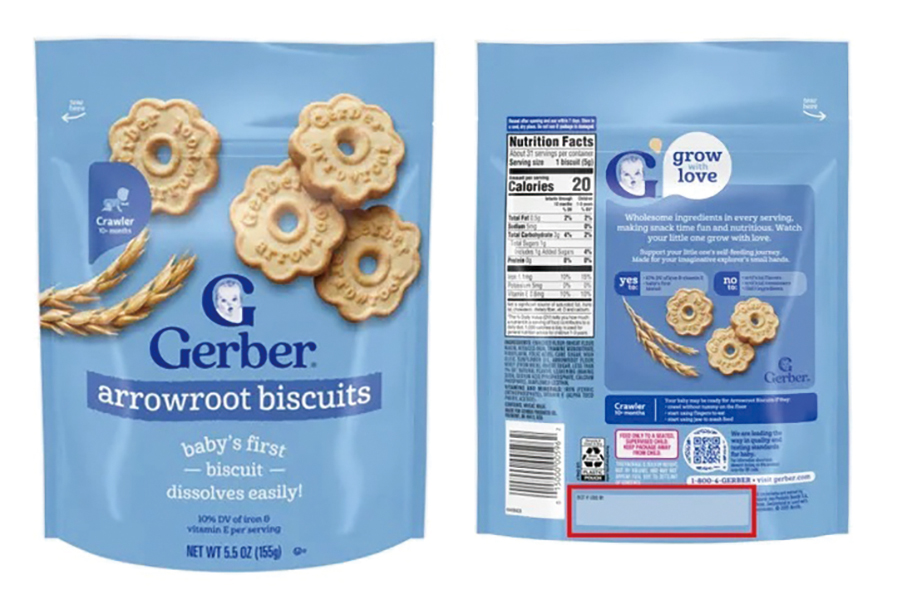
This undated handout photo provided by the Municipal Affairs Bureau (IAM) yesterday shows the US brand “Arrowroot Biscuits” infant teething wafers produced by Gerber, which has been found to contain excessive levels of Vibrio parahaemolyticus.
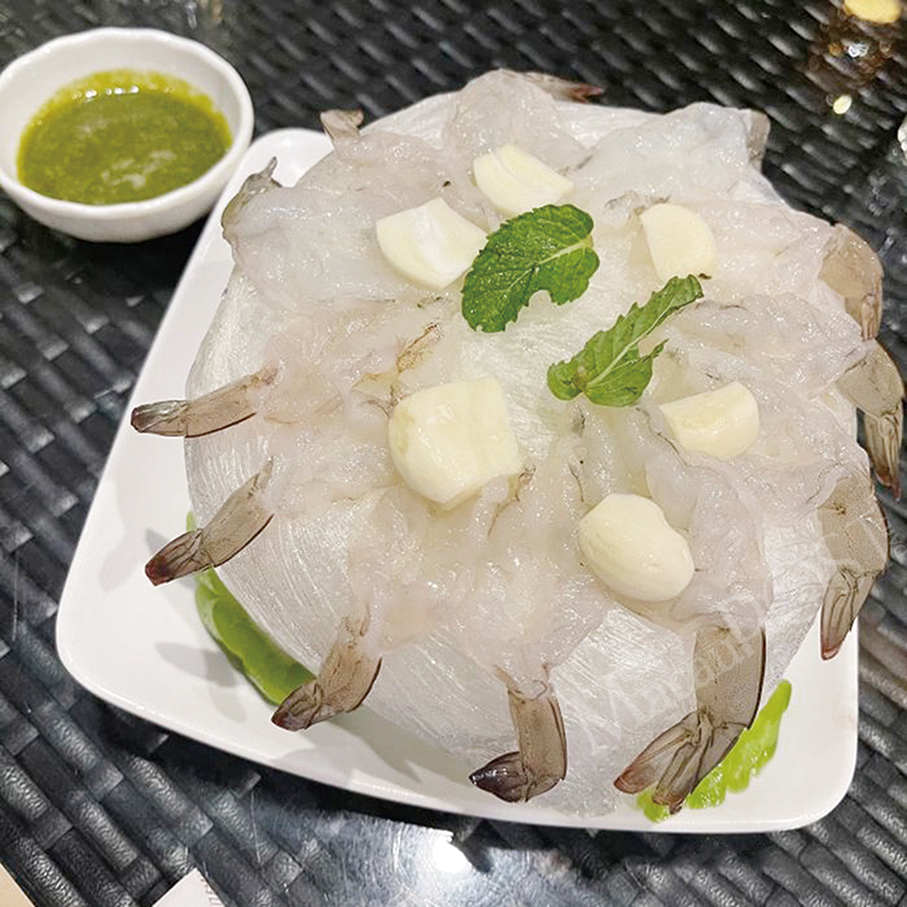
This undated and unlocated file photo downloaded from the mainland’s online and on-demand delivery platform Dianping yesterday shows raw marinated shrimp.