Primary revolution cradle & anti-Japanese key base
Review by Armindo Neves in Shanxi
Two members of the Post team completed on Friday a five-day visit to Shanxi Province in Northern China as part of a Portuguese- and English-language media delegation organised by the Liaison Office of the Central People’s Government in the Macao SAR.
The itinerary spanned two key cities –Taiyuan, the provincial capital, and Datong, one of China’s nine ancient capitals – providing deep insights into the region’s profound history and religious culture.
Shanxi (“West of the Mountains”) is widely renowned as “China’s premier province for ancient architecture.” Boasting a history spanning 5,000 years, it holds 54,000 immovable cultural relics, over 28,000 ancient structures, more than 12,000 Tang Dynasty painted sculptures, over 50,000 square metres of murals, and 531 major national-level historical sites – ranking first among all Chinese provinces.
Covering 6,988 square kilometres with a permanent population of 5.5 million, Taiyuan sits in the central part of the province. Abbreviated as “Bing” (并 – “Parallel”) and historically known as Bingzhou, Jinyang, and Longcheng (龙城 – “Dragon City”), it serves as Shanxi’s political, economic, cultural, and transport hub, with a city-building history extending back more than 2,500 years to the late Spring and Autumn period. It also remains a vital industrial base specialising in steel, coal, and machinery manufacturing.
While in Taiyuan, the delegation visited:
Zhonglou (“Belltower Street”): A bustling thoroughfare in the old city known for local cuisine and street culture.
Shanxi Museum: A major repository highlighting Jin culture, bronzeware, and regional Buddhist art. Its name stems from the ancient State of Jin (晋国) during the Western Zhou Dynasty and the Spring and Autumn period (1046–476 BCE), as well as the official one-character abbreviation for Shanxi today (晋).
Jinci Temple (“Ancestral Temple of Jin”): A classical ancestral temple and garden complex built to commemorate Tang Shuyu, the founding prince of the State of Jin.
Located in northern Shanxi, Datong (大同 – “Great Unity”) – formerly Pingcheng and Yunzhong –features more than 2,300 years of history. As Shanxi’s second-largest city and a major coal hub, it earned the nickname “Coal Capital.”
The delegation explored several world-renowned heritage sites across the region:
Yungang (“Cloud Ridge”) Grottoes: A UNESCO World Heritage Site and one of China’s four major grotto groups. Excavated during the Northern Wei Dynasty, its massive Buddhist statues blend Chinese and Western artistic styles. The site drew nearly five million visitors last year.
The Ancient City of Datong: A historic district enclosed by well-preserved Ming Dynasty city walls, housing landmarks such as Huayan (“Flower Garland”) Temple, Shanhua (“Good Transformation”) Temple, the Nine-Dragon Wall, and the Drum Tower.
The Hanging (“Hanging Void”) Temple: Built onto sheer cliffs in the Jinlong (“Golden Dragon”) Gorge of Mount Heng (“Permanent Mountain”), this architectural wonder uniquely integrates Buddhism, Taoism, and Confucianism.
Yingxian Wooden Pagoda (应县木塔 – “Wooden Pagoda of Ying County): Built entirely of timber without nails, it stands as one of the world’s tallest and oldest surviving wooden pagodas, having stood firm for over a millennium.
CPC history in Datong region
Besides witnessing the rise and fall of ancient civilisations, Shanxi also bears witness to the establishment of Communist Party of China (CPC) organisations in the Datong region. While visiting the Datong Red Memory Museum, we learnt that in the early days of the Party’s founding, it placed considerable importance on the student and workers’ movements and the development of Party organisations in the Datong area. The region’s first Party branch – the Chinese Communist Party Datong Railway Workers’ Branch – was established there, bringing the region’s revolutionary movement into a new phase.
Foreign friend Norman Bethune in Shanxi
Meanwhile, Shanxi also bore witness to the deeds of Dr Henry Norman Bethune (白求恩-1890-1939), an internationalist Communist fighter on the Shanxi-Chahar-Hebei anti-Japanese front line. He established mobile medical teams and set up operating tables near the front line to rescue large numbers of wounded soldiers, while training medical staff and refining blood transfusion methods and surgical equipment. In 1939, he died in the line of duty from an infection contracted during surgery. Chairman Mao Zedong wrote an essay in his memory, making him a household name across China as an internationalist fighter.
Reflecting on the trip, delegation leader Carlos Morais José, former director of local Portuguese-language daily Hoje Macau, noted that the visit provided a deeper appreciation of Shanxi as one of the cradles of Chinese civilisation. He highlighted how the region seamlessly blends agrarian and nomadic cultures, embodying China’s historically inclusive character.
He emphasised that Macau and Shanxi should continue to expand media cooperation and exchange, expressing hope that telling Shanxi’s rich history to those back in Macau will foster local residents’ understanding of national identity and cultural heritage.
Yin Rutao, deputy-general of the Department of Publicity and Culture of the Liaison Office of the Central People’s Government in the MSAR, was the most senior official of the Liaison Office on the five-day trip.
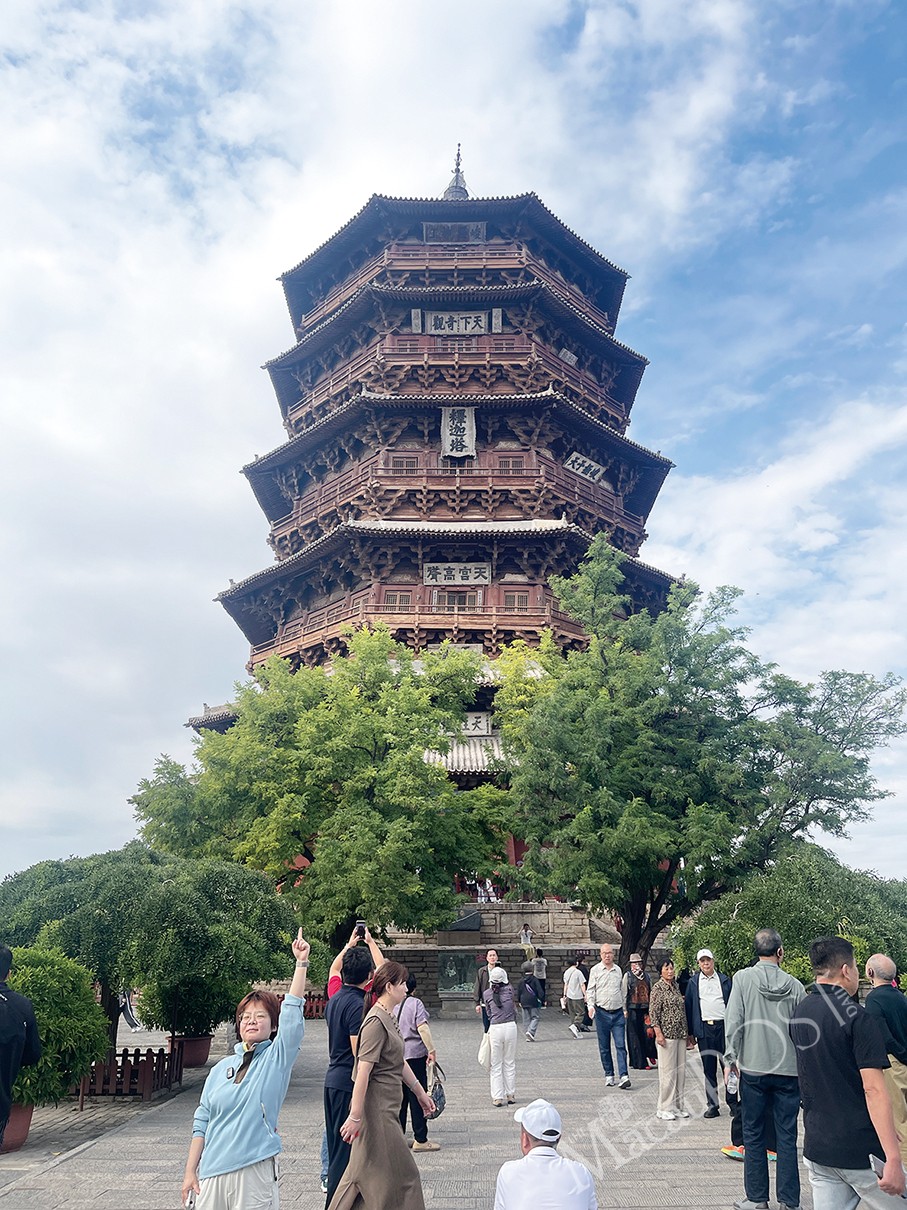
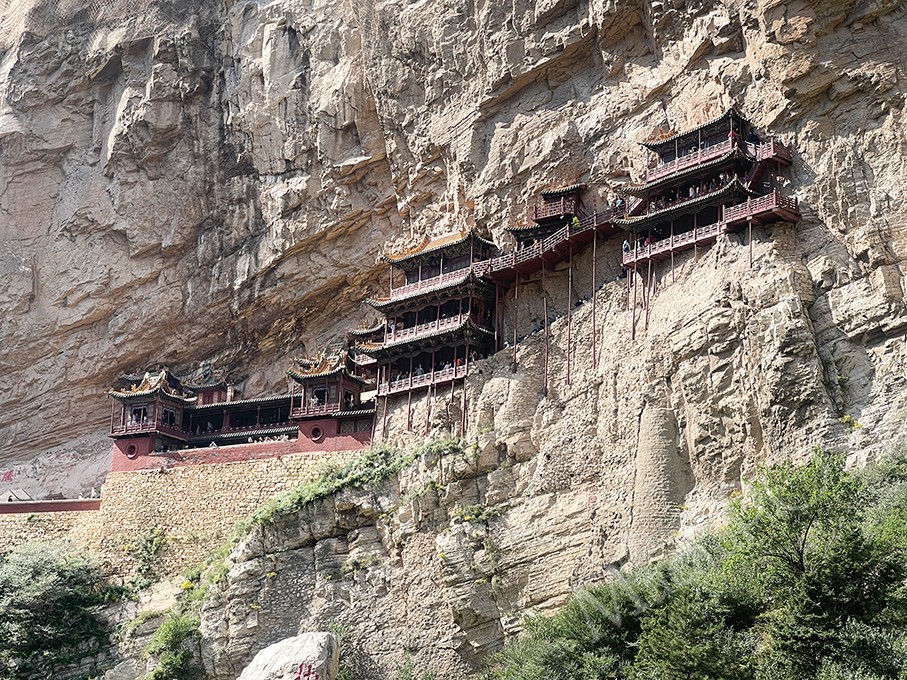
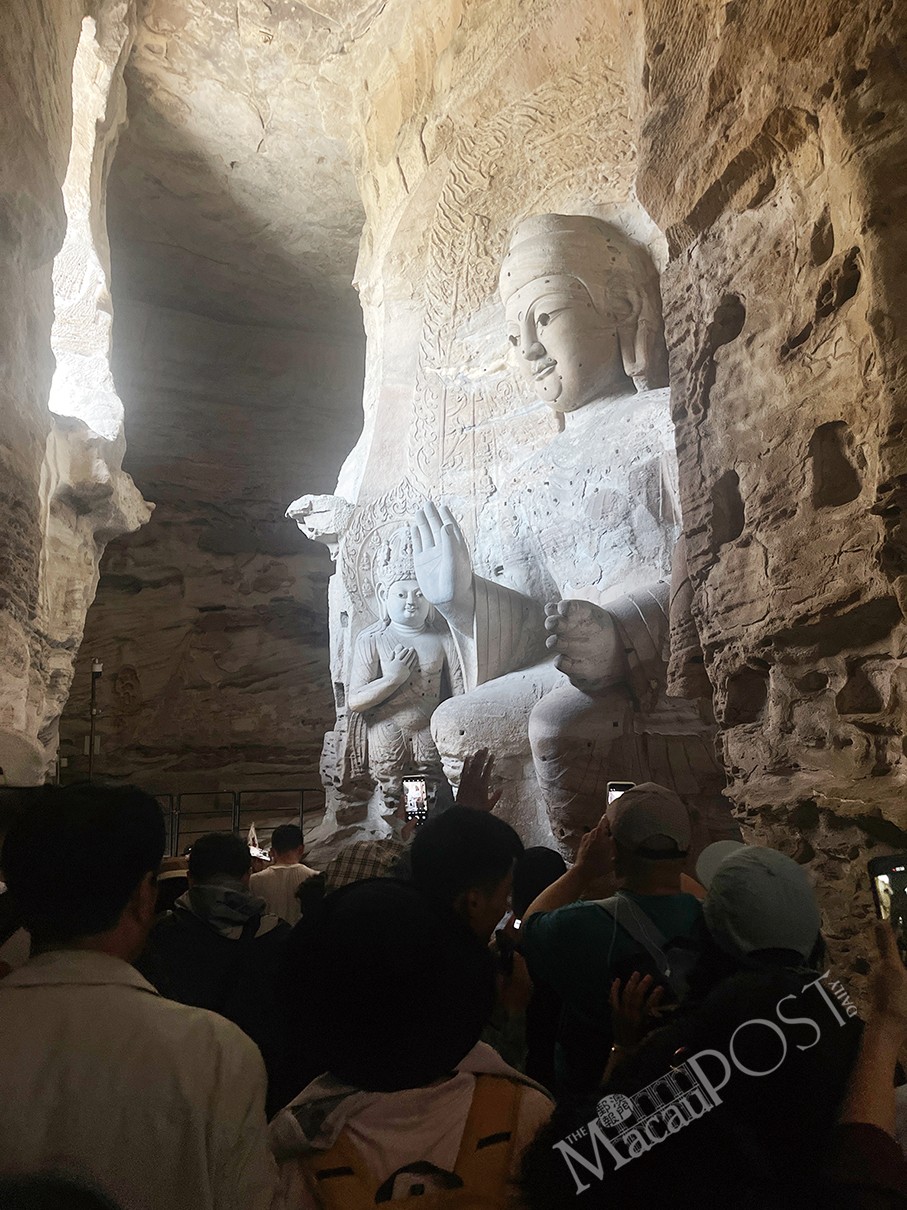
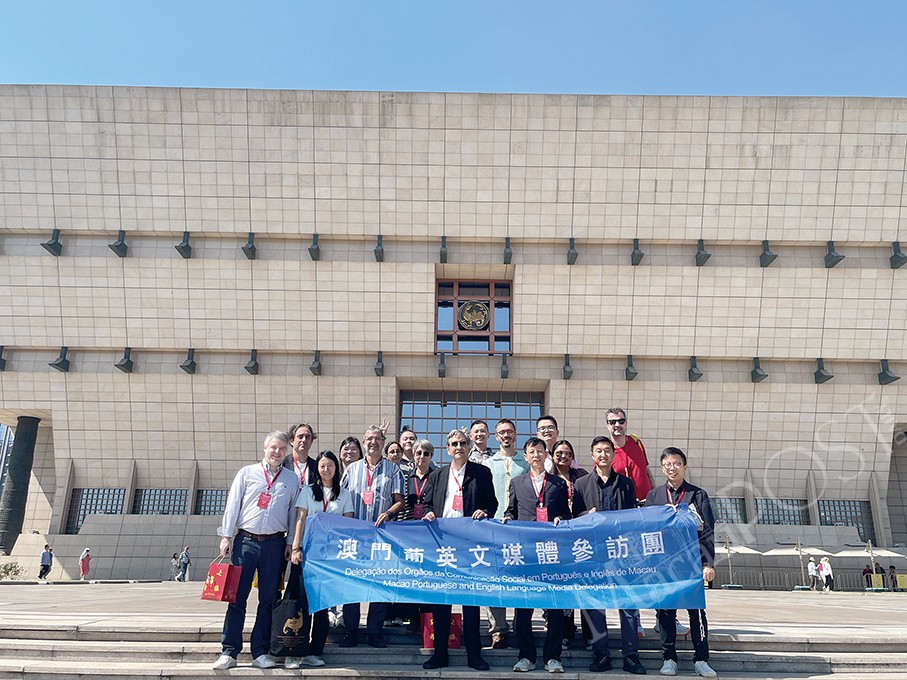
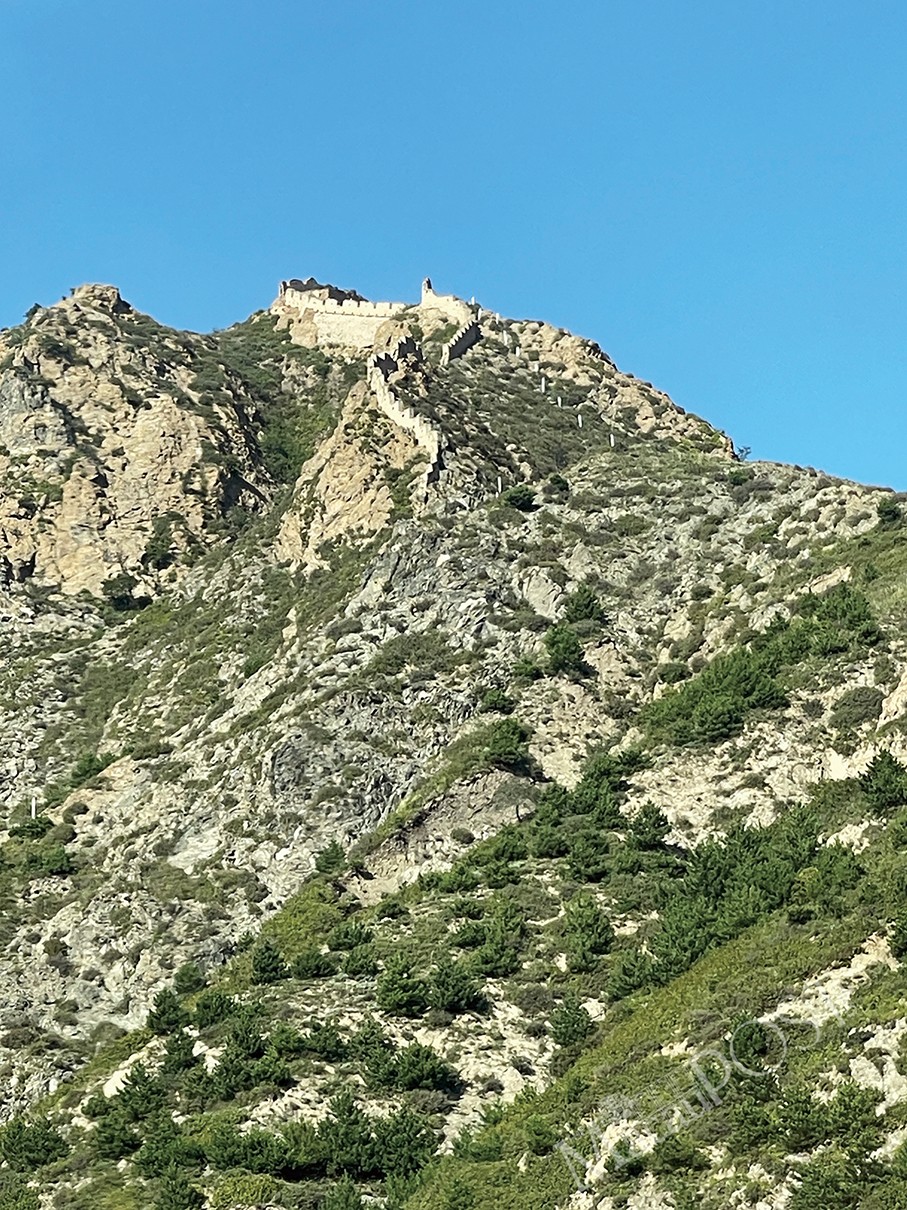
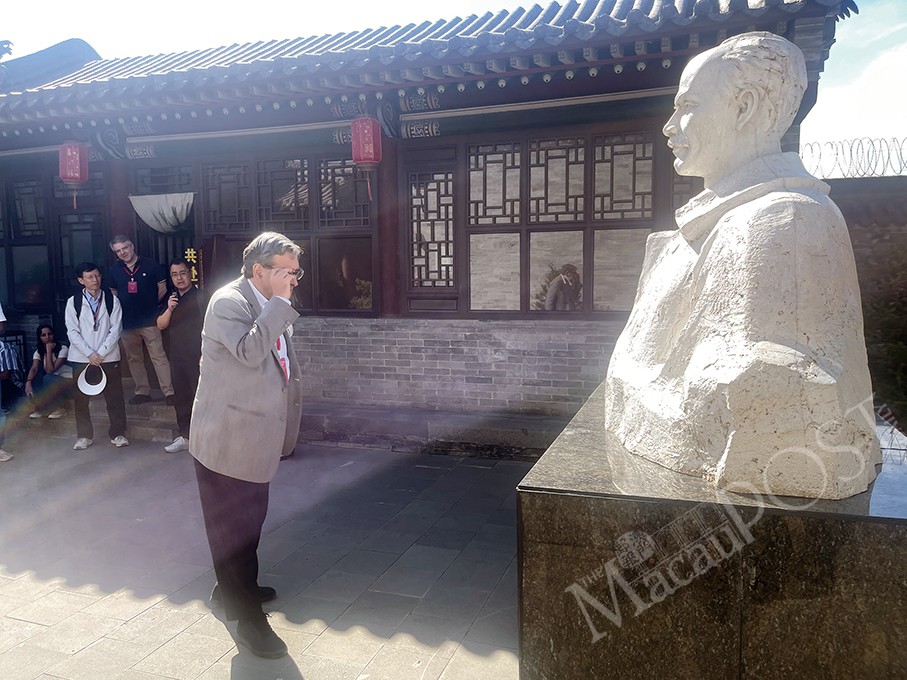
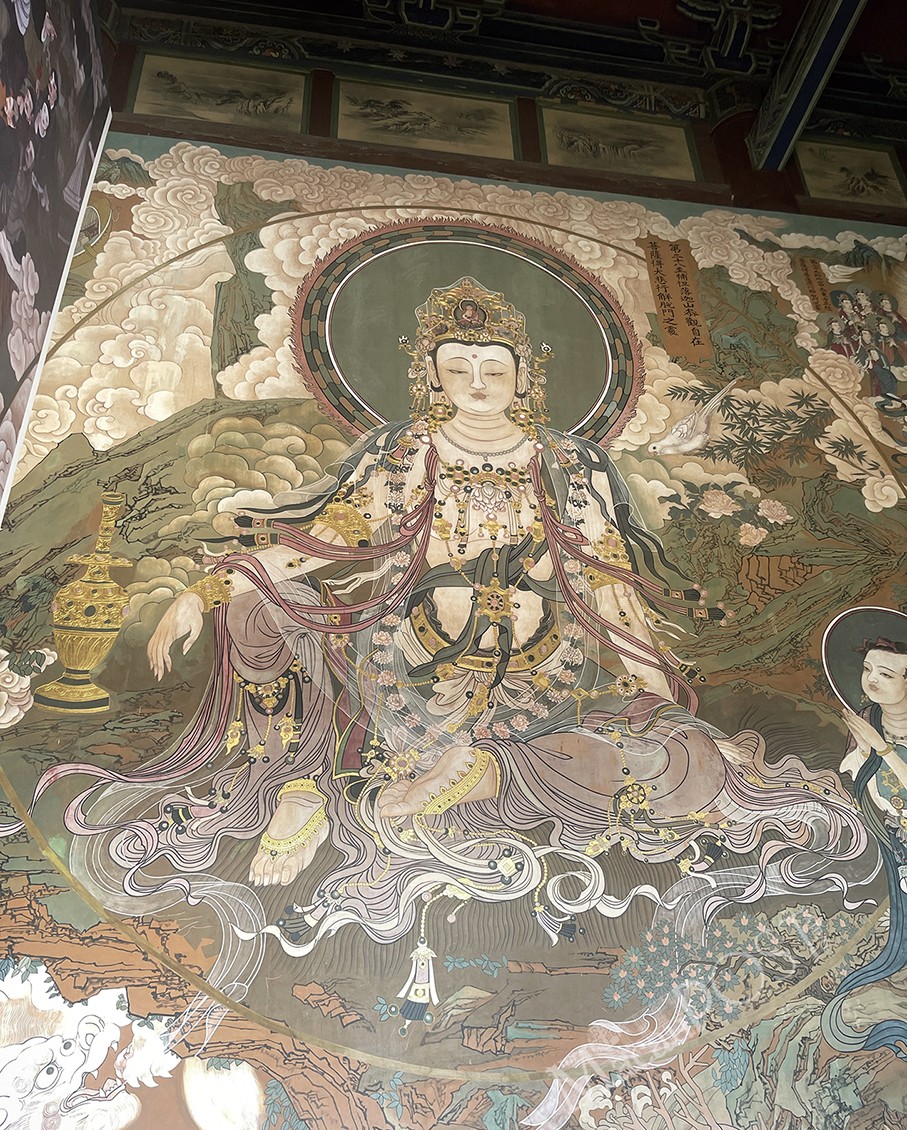
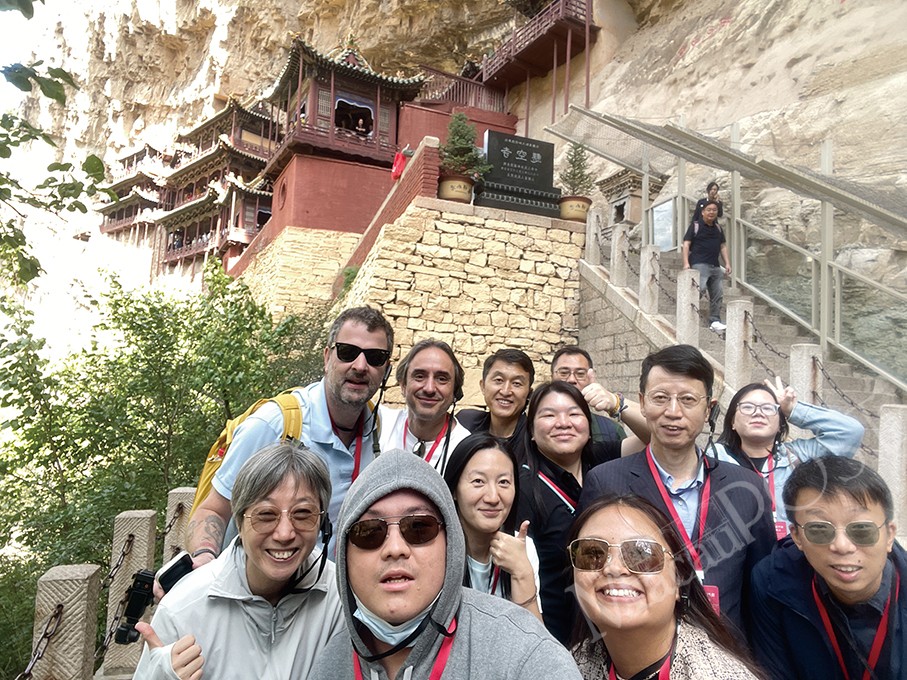
Photos taken in Shanxi by the Post’s Armindo Neves and Maria Cheang Ut Meng during their visit to the nation’s northern province between September 14 and 18.