As Macau continues to change amid rapid development, it can be hard to believe just how different it used to be, going from a small, quiet fishing village to being the city with the most five-star hotels in the world. One of the past key pillar industries that supported the livelihoods of many young and old, meanwhile, might also come as a surprise: the firecracker manufacturing industry.
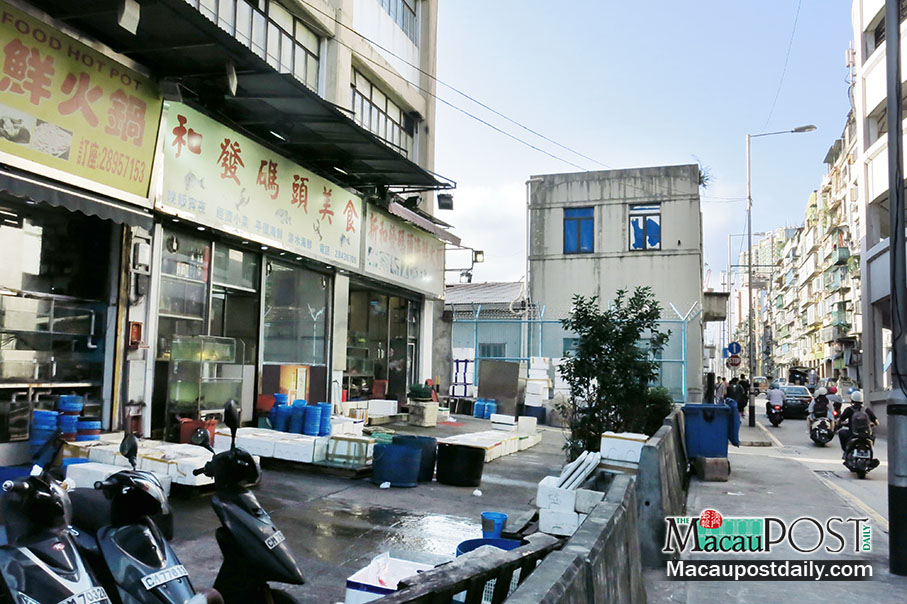
From its start in the late 19th century to its peak during the 1950s and its eventual decline, this industry was a part of Macau and, in turn, the lives and memories of many of its inhabitants. Many brands bore the mark of “Made in Macau” as they made their way to different parts of the world, accounting for a large percentage of global output in the 1950s and 1960s. Factories were mainly in Taipa Village, including the Iec Long Firecracker Factory, which ran the longest – from 1925 to its eventual closure in 1984. Today, it stands as the most well-preserved firecracker factory in Macau, with a visit revealing remnants of once was.
However, a visit to Iec Long isn’t the only way to learn more about Macau’s bygone industry. Sands China took on the erstwhile factory’s revitalization in 2023 and has continued to make efforts to keep the collective memory of the bygone industry alive, including creating a large-scale exhibition celebrating the Iec Long Firecracker Factory’s centenary and the history of Macau’s firecracker industry, along with a variety of extension activities.
Hosting a dedicated large-scale exhibition
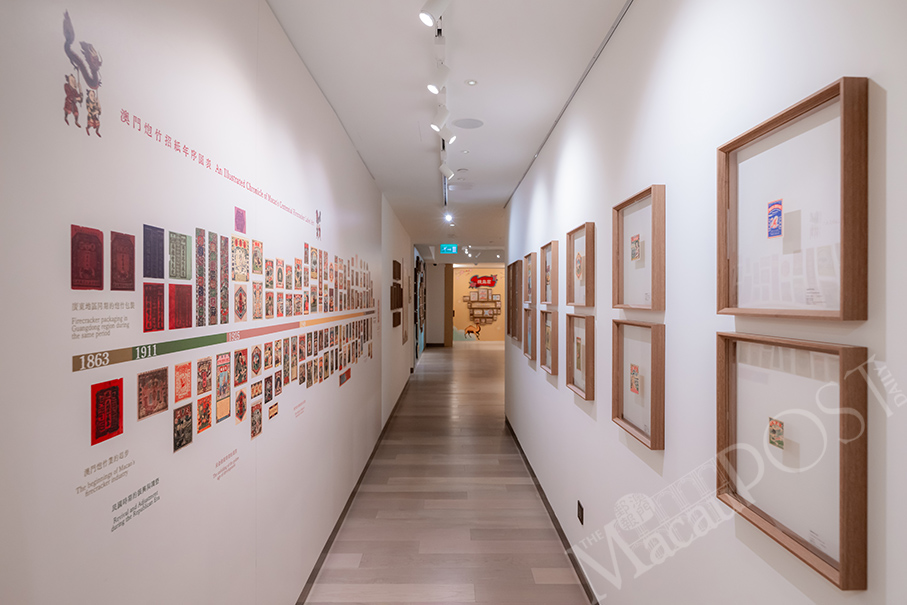
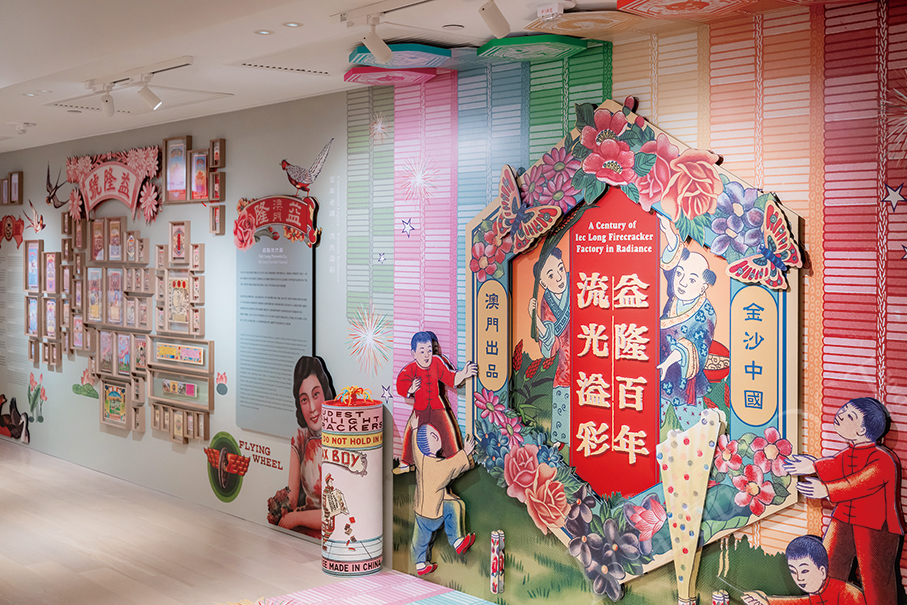
With the support of ICM and MGTO, “A Century of Iec Long Firecracker Factory in Radiance – An Exhibition on the Resonant History and Aesthetic Memory of Macao Firecrackers” features 400 exhibits dedicated to Macau’s firecracker manufacturing past.
The exhibition is on display now until August 31 at Sands Gallery, on the sixth floor of the Four Seasons Hotel Macao. It is being held in collaboration with the Library and Faculty of Humanities and Arts of the Macau University of Science and Technology (MUST), the Macao Museum, and the Archives of Macao. By systematically organizing academic research and rare archival resources, it is built on a solid historical and scholarly foundation.
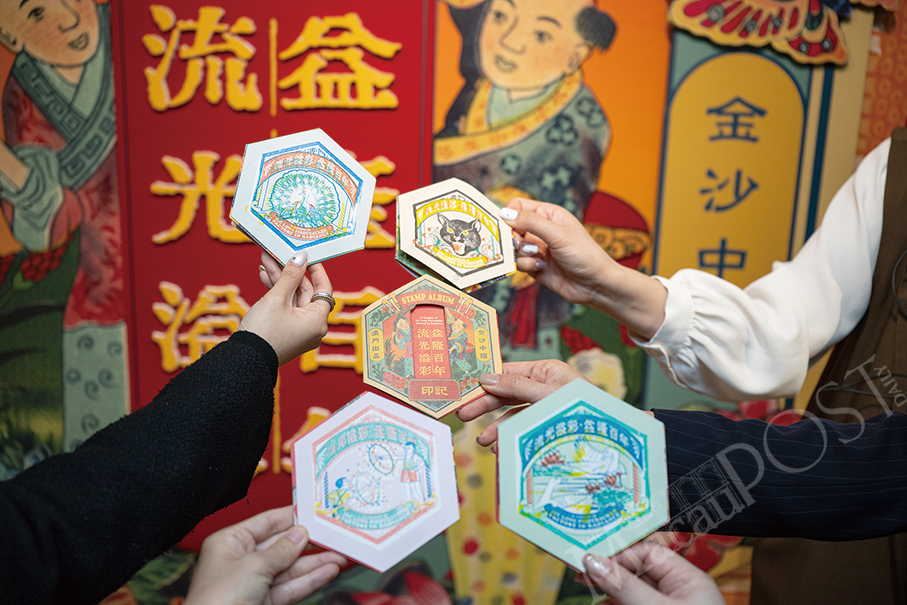
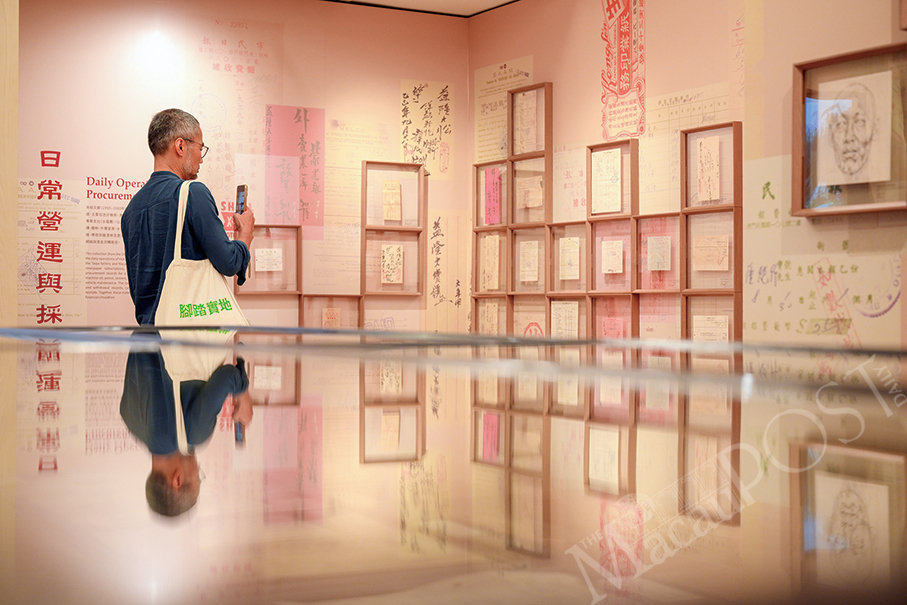
Visitors both young and old take a step back in time through a display of well-preserved exhibits ranging from hundreds of colorful packaging labels and related documents to manufacturing tools, all layered with rich historical information and interactive elements to craft the once thriving industry’s story.
This is all divided into six thematic chapters ranging from a prologue to a section dedicated entirely to the aesthetics of packaging design, where many brands once synonymous with the city can be found. MUST Distinguished Professor and veteran local artist Guilherme Ung Vai Meng curated the exhibition, having dedicated three decades to studying Macau’s firecracker industry.
Highlighting the collaboration, Executive Vice Chairman of Sands China Ltd. Wilfred Wong said during the exhibition’s opening on March 18: “In collaborating with MUST, the Macao Museum, and the Archives of Macao to provide historical exhibits and academic support, and by inviting Professor Ung Vai Meng as curator, we have harnessed the synergy of enterprise and academia to present the firecracker history in its fullest and most authentic form.”
Wong continued: “By rejuvenating this integral chapter of Macau’s past, Sands Gallery offers the public free access to discover the brilliance, creativity, and craftsmanship that underpinned the city’s firecracker industry, inspiring younger generations and visitors to appreciate Macau’s strongest competitive edge – its profound cultural heritage. We will continue to work closely with all sectors of society to support the integration of culture and tourism, promoting Macau’s diverse arts and culture on an ever-expanding stage.”
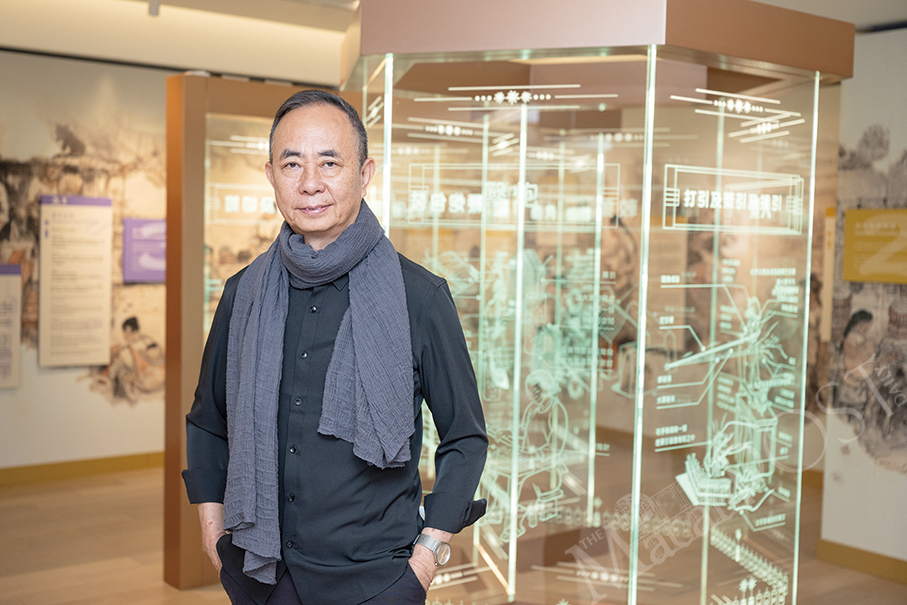
Macau University of Science and Technology (MUST) Distinguished Professor, veteran artist and exhibition curator Guilherme Ung Vai Meng poses for a photo at Sands Gallery in Cotai. – Photos: Sands China
Beyond the exhibition
Complementing the large-scale exhibition, Sands China has continued to keep the collective memory alive through a variety of extension activities, going even beyond Macau.
At the popular annual international art event “Art Central” in Hong Kong – where Sands China was the first integrated tourism and leisure enterprise from Macau to participate as an associate partner – the company set up a Sands Gallery booth that included a dedicated section on the Macau firecracker exhibition. Ung was invited to deliver a lecture titled “Aesthetics of a Square Inch: A Century of Visual Culture Change Through Macao’s Firecracker Packaging,” where he explored the century-long history of the firecracker industry through its intricate packaging design. The well-received seminar sparked discussions and connected shared memories with Hong Kong audiences, all the while giving a deeper insight into the industry to international attendees.
Discussions continued with the academic dialogue “Historical Memories of the Taipa Firecracker Factory” on March 20 at MUST, featuring Ung and firecracker historian Albert Lai Hong Kin, who has published a series of books on the subject of Taipa’s historical development and the history of its firecracker industry.
Among the topics highlighted in dialogue were the local industry’s evolution from its beginning to its decline, including historical materials like the 1925 registration of the Iec Long Firecracker Factory to an aerial view of its 1941 layout. Lai also shared depictions the historical firecracker production processes used at Iec Long, such as fuse winding and cone punching.
Meanwhile, continuing the collaboration with academia, two exhibitions were also held at the MUST library, namely “Historical Resonance: Firecracker Label Art from Eastern Guangdong” and “Timeless Treasures: Archival Materials of Macao’s Firecracker Industry.” The former was held until March 31 and showcased firecracker packaging labels from eastern Guangdong from the late 19th century to the 20th century, with exhibits mainly featuring items donated by Lai and Ung to the MUST Library, as well as those on loan by US collectors Michael McHenry, Jeff Staton, and Andrew S. Cahan. The latter exhibition, meanwhile, continues to be held through August 31 and features exhibits ranging from newspapers to photos, telegrams and maps, all organized across themed sections telling the story of historical development.
Remembering a bygone industry
While Macau has taken a different direction since the firecracker manufacturing era, its past has not been forgotten. Sands China’s comprehensive efforts help ensure that this former industry and the collective memories it holds can continue to be shared.
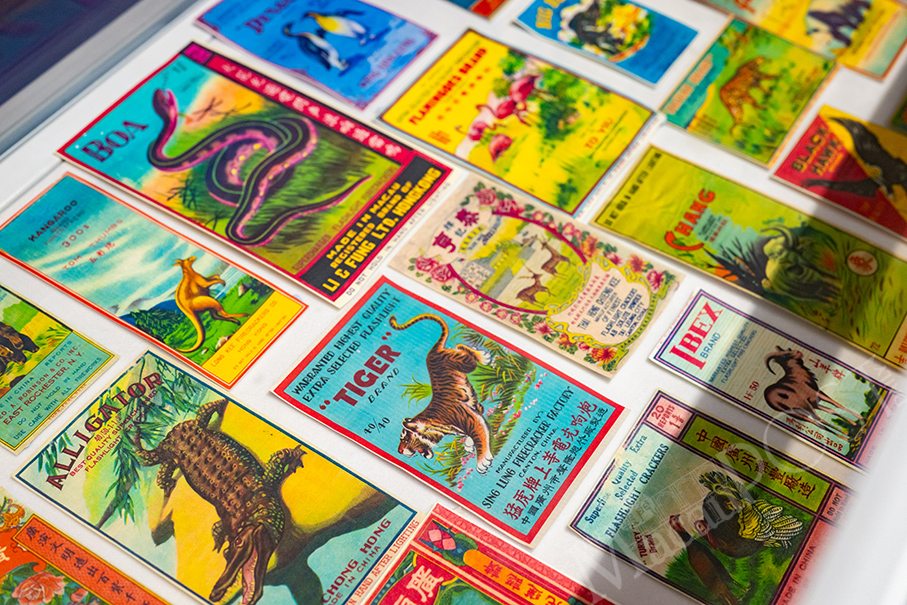
Collaborating with academia, two extended exhibitions were also held at the MUST library.
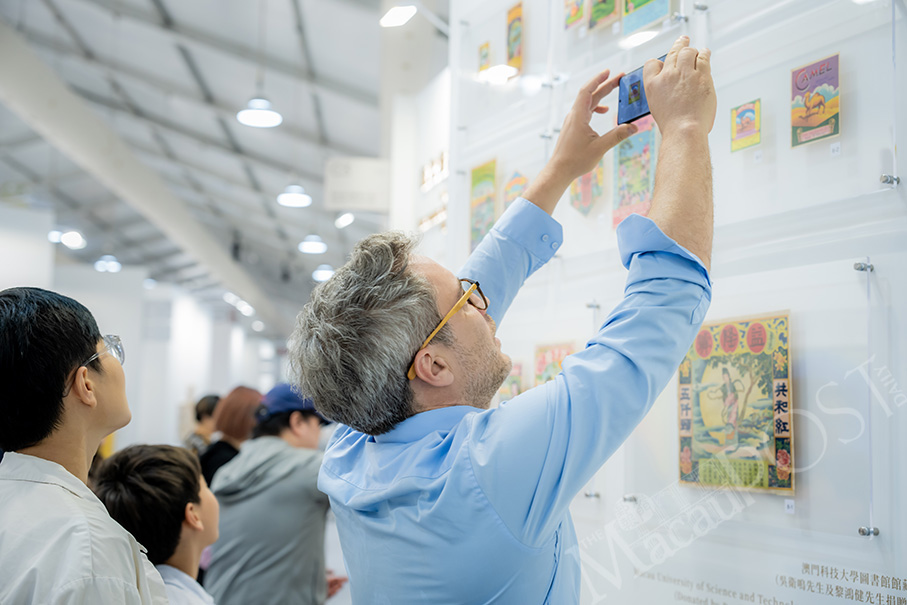
A visitor takes a photo of firecracker packaging labels at Art Central.