Interview William Chan
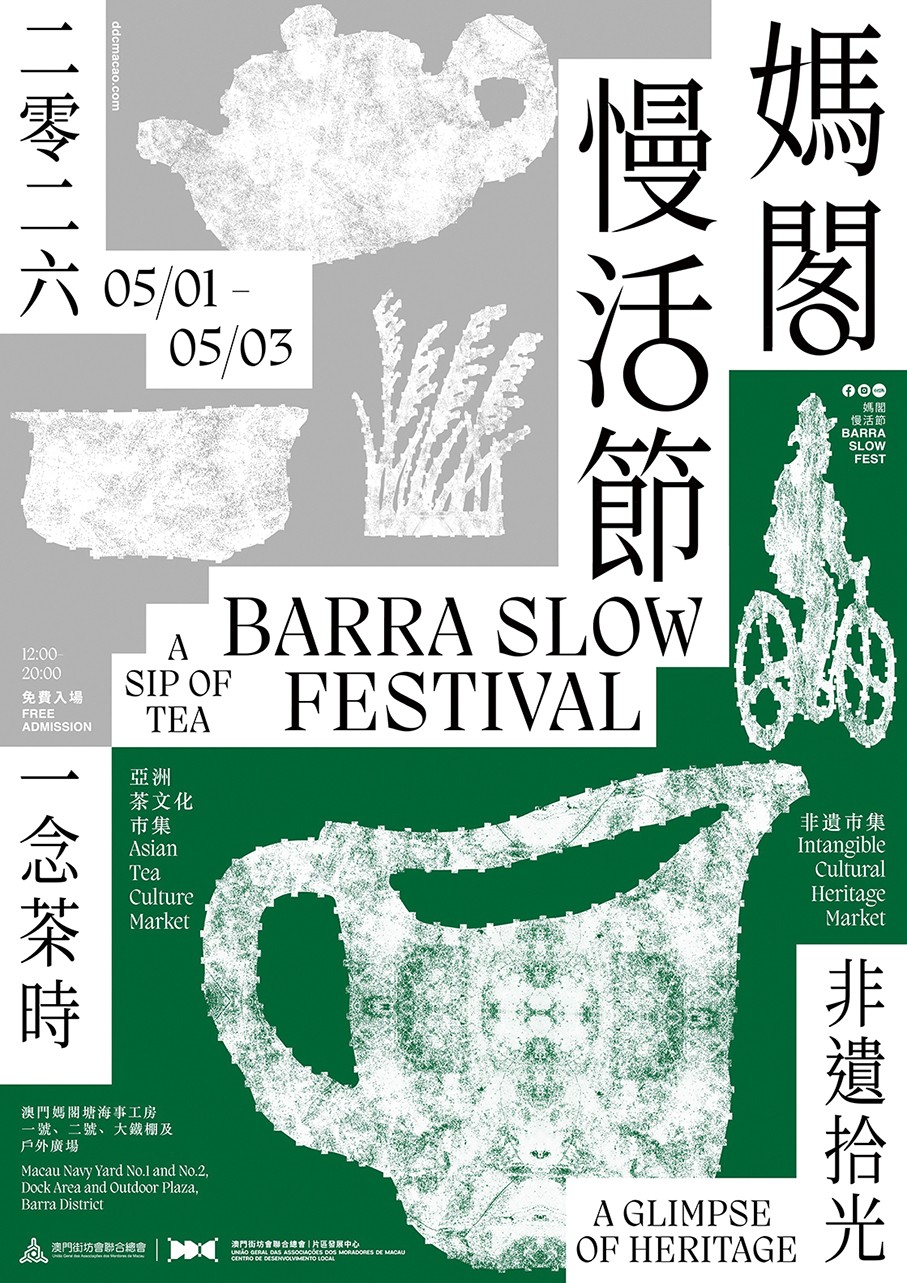
The three-day “Barra Slow Festival” is slated to run from Friday through Sunday (May 1-3), from noon to 8 p.m. daily, at the No.1 and No.2 Navy Yard and Outdoor Plaza in Barra, also known as the Harbour Entrance district.
Organised by the District Development Centre, this year’s edition is themed “A Sip of Tea, A Glimpse of Heritage”, bringing together nearly 40 tea brands from across Asia.
Lam Sio Man, director of the centre, told the Post that the inaugural Barra Slow Festival last November* was met with an overwhelming response and successfully fostered a slow-living atmosphere in Macau. “This year, we plan to host multiple slow-living festivals with different themes,” she said.
According to Lam, the goal is to allow participants not merely to pass by history, but to step into artistic spaces built from intangible cultural heritage (ICH) bamboo scaffolding – the “Tea Pavilion” and the “Tea Performance Stage” – where they can rediscover tranquillity and focus amid the interplay of bamboo shadows and light. “Asian tea culture has a long and rich history,” Lam noted. “For the first time in Macau, we have gathered 40 tea brands from across Asia, covering tea drinks, tea snacks, tea with coffee, tea wine, and tea-related products. From mellow traditional tea to innovative tea-infused beverages, we are showcasing the diverse role of tea in daily life. Whether you are a seasoned tea connoisseur or a beginner, you will find joy in both the old and the new.”
The festival debuts the “Asian Tea Culture Market,” “Intangible Cultural Heritage Market,” and Guizhou’s “Village T” ethnic fashion showcase. Special highlights include the “Water Mirror: Tea Tasting Ceremony” guided by tea masters, the chef-driven “Infuse & Indulge: Culinary Tea Ceremony,” and two bamboo installations – the “Tea Pavilion” and “Tea Performance Stage” – designed by Macau-based architects João Ó and Rita Machado. The programme also features hands-on workshops, masterclasses, design exhibitions, and musical performances.
Lam emphasised the importance of engaging younger audiences. “To attract young people, traditional culture must have a sense of fashion and interactivity,” she said. “Guizhou’s ‘Village T’ – an ICH-meets-fashion IP that has appeared at London and New York fashion weeks – breaks the boundaries between professionalism and tradition, perfectly matching contemporary aesthetics.”
She added that last year’s coffee festival prompted a shift to exploring Asia’s tea culture. “Through ‘A Sip of Tea,’ we show the multi-faceted nature of tea in modern life,” Lam said. “We invited brands from South Korea, Malaysia, Thailand, Indonesia, the Chinese mainland, Hong Kong, Macau, and [China’s] Taiwan [region] to break the stereotypes about tea drinking.”
Looking ahead, Lam envisions the Slow Festival as a long-term city brand asset. The bamboo “Tea Pavilion” and “Tea Performance Stage” are expected to remain for a year, creating ongoing cultural and community spaces in the Barra district. The festival also partners with Bank of China (BOC) Macau to offer a dual-consumption reward scheme covering over 300 businesses across multiple districts. “Through collaboration with ‘Village T,’ which has gained international fame, we aim to amplify Macau’s stories and elevate the city’s global profile,” Lam said. “Our goal is to turn the Barra district into a benchmark for cultural tourism that integrates history, festive events, and contemporary aesthetics, leaving a sustainable creative legacy.”
*
www.macaupostdaily.com/news/26771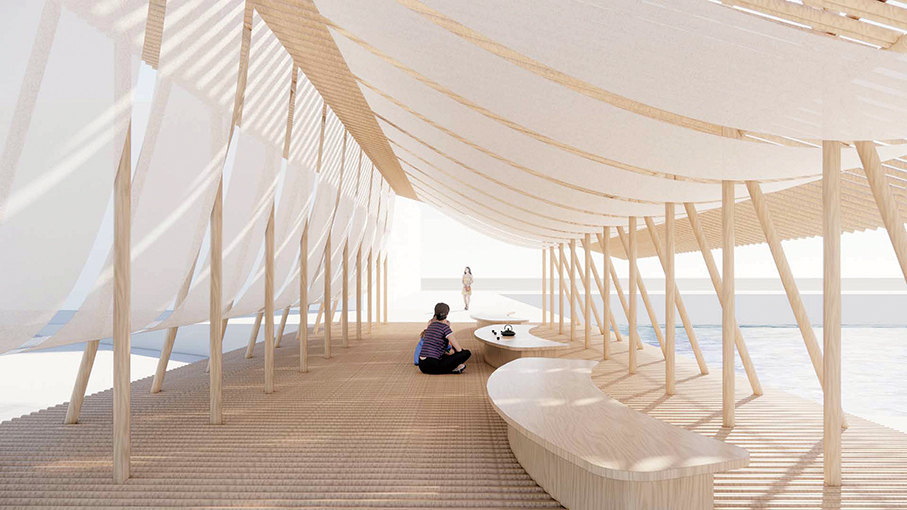
This image shows a rendering of the Tea Pavilion by Macau architects João Ó and Rita Machado.
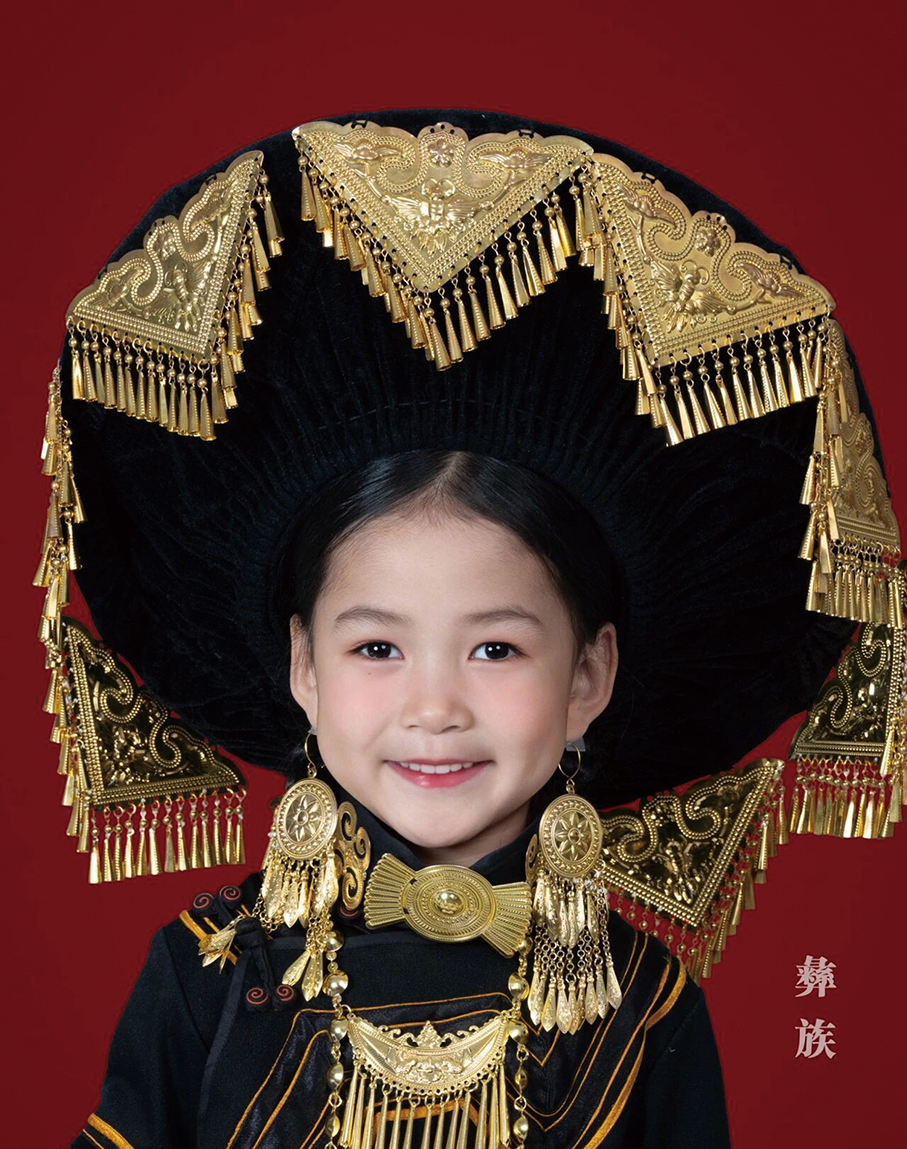
A young model showcases the ornate gold headwear and jewellery of the Yi people from Guizhou’s “Village T”. (file photo) – Photos provided by the District Development Centre
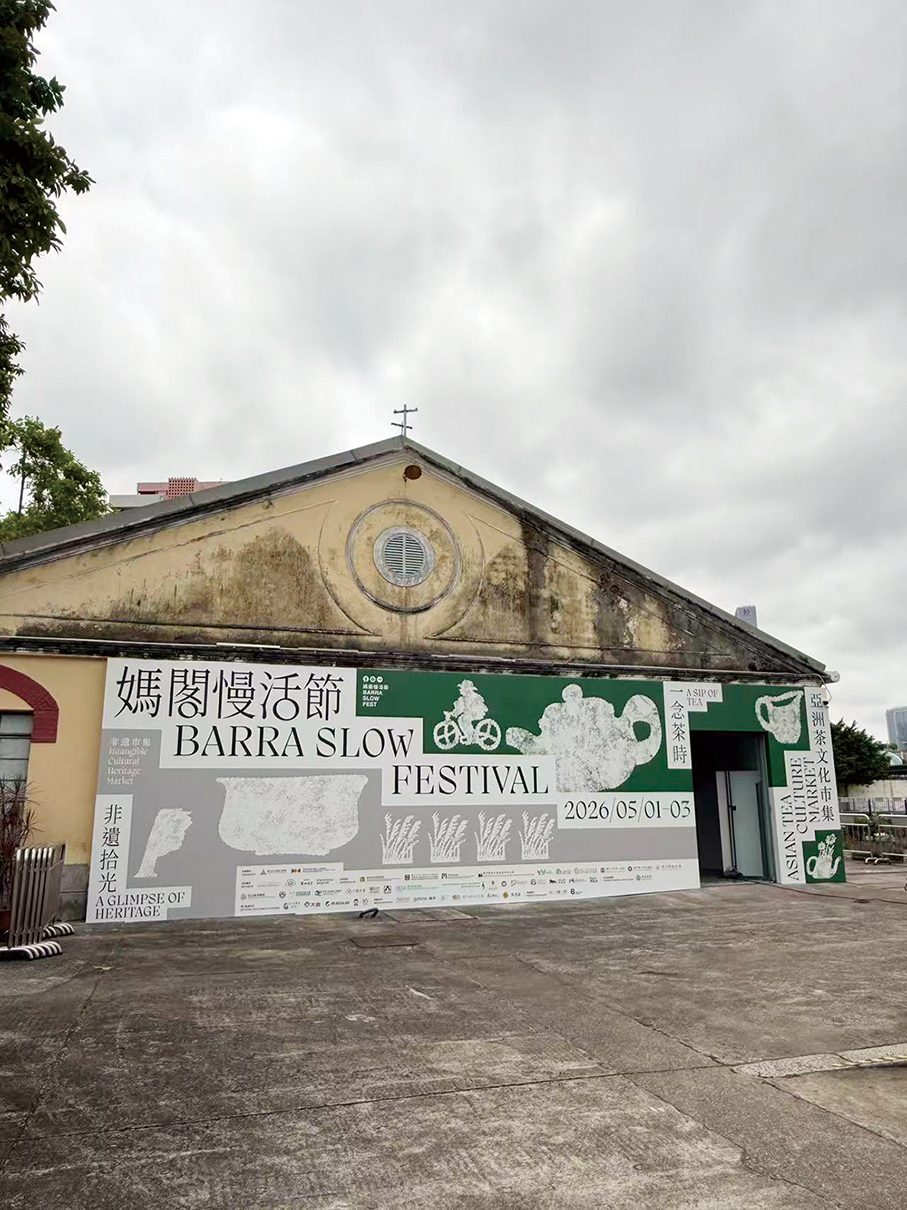
This photo taken yesterday shows preparations for the upcoming Barra Slow Festival. – Photo: William Chan
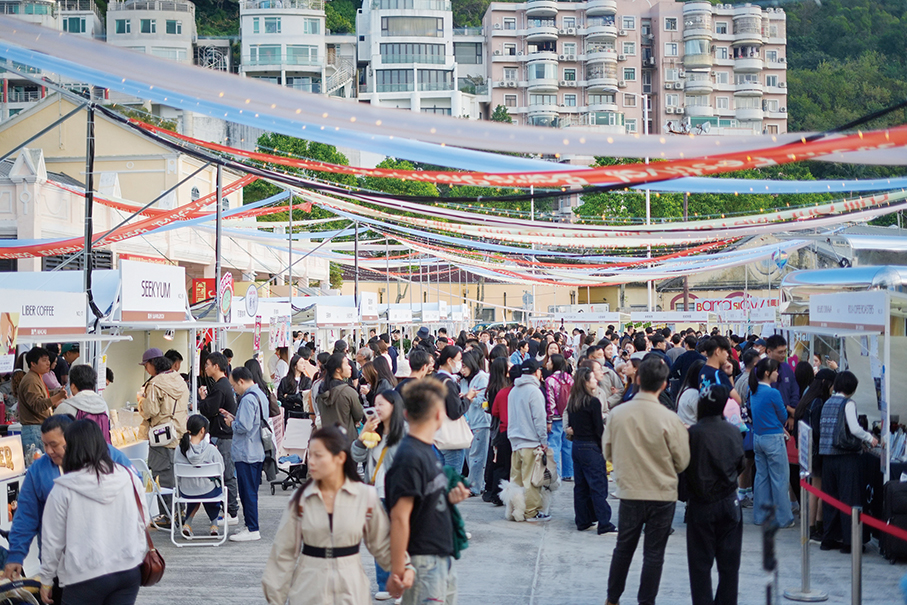
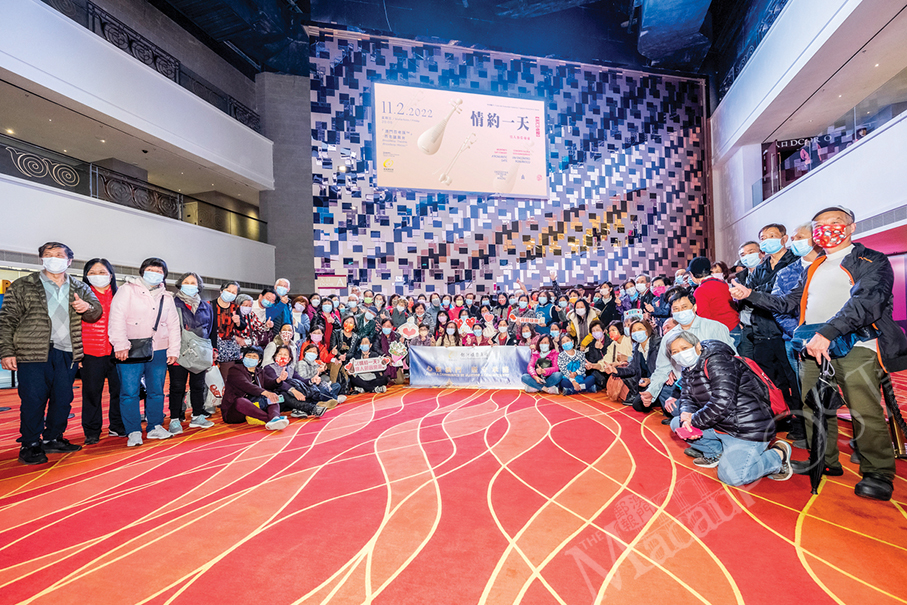
This file photo shows crowds attending last November’s “Barra Slow Festival” at Outdoor Plaza in Barra.