Interview by William Chan
Macau’s history is written not only by modern casinos but is deeply intertwined with narratives of fate and choice. During his current residency at Ox Warehouse Macau, Dutch artist Berend Strik has translated the city’s distinctive soundscape – from the clamour of casino halls to the bells of the historic centre – into 15 graphic scores.
For Strik, the project continues a 40-year practice centred on the meaning of images. Born in the Netherlands in 1960, he lives and works in Amsterdam. His main art style reworks photographs with fabric and thread, slowing down viewing and intensifying image and content. The intimate labour contrasts with the mechanical instant of the camera.
Strik first developed a strong connection with China during an earlier residency in Beijing in the 1990s. He worked in a large wood factory that collected old Chinese houses, repaired or rebuilt them elsewhere as a traditional town. Strik worked at the back of the factory with the carpenters’ wives, who helped him stitch photographs. He spoke no Chinese and worked through a translator, but remembered the collaboration warmly.
“When I left, some of the women started to cry,” he said. “They really loved doing the stitching and working together.” The experience reinforced his belief that sewing is not merely a technique; its repeated movements can quieten the mind and create a shared rhythm. It also sustained his strong belief that art should be down-to-earth and practical, allowing it to communicate directly with its viewers and practitioners.
In his few weeks in Macau, Strik extended this engagement into sound. The drawn image itself also functions as a music score. Rather than using conventional Western notation, he uses lines, colours, words and forms to suggest how a singer might perform each work.
“I was wondering: is it possible that when you make a drawing, it is singable?” he said. “When you hear music, it goes directly into the heart and the brain. I am a bit jealous of that directness.”
“Cantonese has presented a unique challenge because its tones can dramatically alter word meanings, making the language inseparable from music. When we repeated 星期一 (sing1 kei4 jat1, Monday) and 星期日 (sing1 kei4 jat2, Sunday) to Strik, he couldn’t tell the difference at all. Nevertheless, Strik placed his faith in local singer Zoe – viewing her not as an interpreter following rigid instructions, but as a collaborator helping to discover a voice within the images.
Stolen Light
The title Stolen Light refers partly to Macau’s casinos. Strik does not gamble – “I am from Holland and very stingy. I want to save my money” – but is fascinated by the way casinos use light, sound and technology to encourage spending.
When I mentioned whether gambling represents a peak of capitalism, he reflected, “but also perhaps a peak of disaster and a peak of happiness.” He connects gambling with the wider human capacity for absorption: people may become addicted to gambling, but they can also be consumed by reading, studying history or trying to understand a city. The casino’s light offers excitement while taking something away, at least money and attention.
Besides the gaming industry, the 15 graphic scores trace Macau’s history from the Santa Casa da Misericórdia (“Holy House of Mercy”) foundling wheel and the Camões shipwreck to other local novelties. For example, Strik initially found a local shop’s paper gold bullion curious, only realising it is burnt for deceased relatives after I explained it. He was also captivated by abandoned shops with letters scattered outside. While ordinary to locals, these scenes felt strikingly exotic to him, a fascination vividly captured in his drawings.
The interview has also brought back memories of an unfinished project in New York in the early 2000s. Strik spent two years developing and designing a house for twin sisters with Tourette syndrome* and their mother. Their involuntary movements and sounds had repeatedly caused damage to rented homes, leading to evictions. He worked with architects, scientists and engineers on a safer design, including a rubber door that could be slammed without breaking. A floor plan was based on three hearts – one for each sister and one for their mother.
The project ultimately failed to secure enough funding, a failure Strik still regrets. He remains willing to start again and hopes to find a Chinese patron, possibly in Macau, who could help realise the project for the family in need.
The exhibition, located at the junction of Avenida do Coronel Mesquita and Avenida do Almirante Lacerda, opens on October 26 at 6:30 p.m., where Strik will be present to welcome and chat with visitors. Admission is free, and the show will run through November 24 with daily viewing hours from 10:00 a.m. to 7:00 p.m.
* Tourette syndrome is a neurological disorder characterised by involuntary, repetitive movements and vocalisations known as tics.
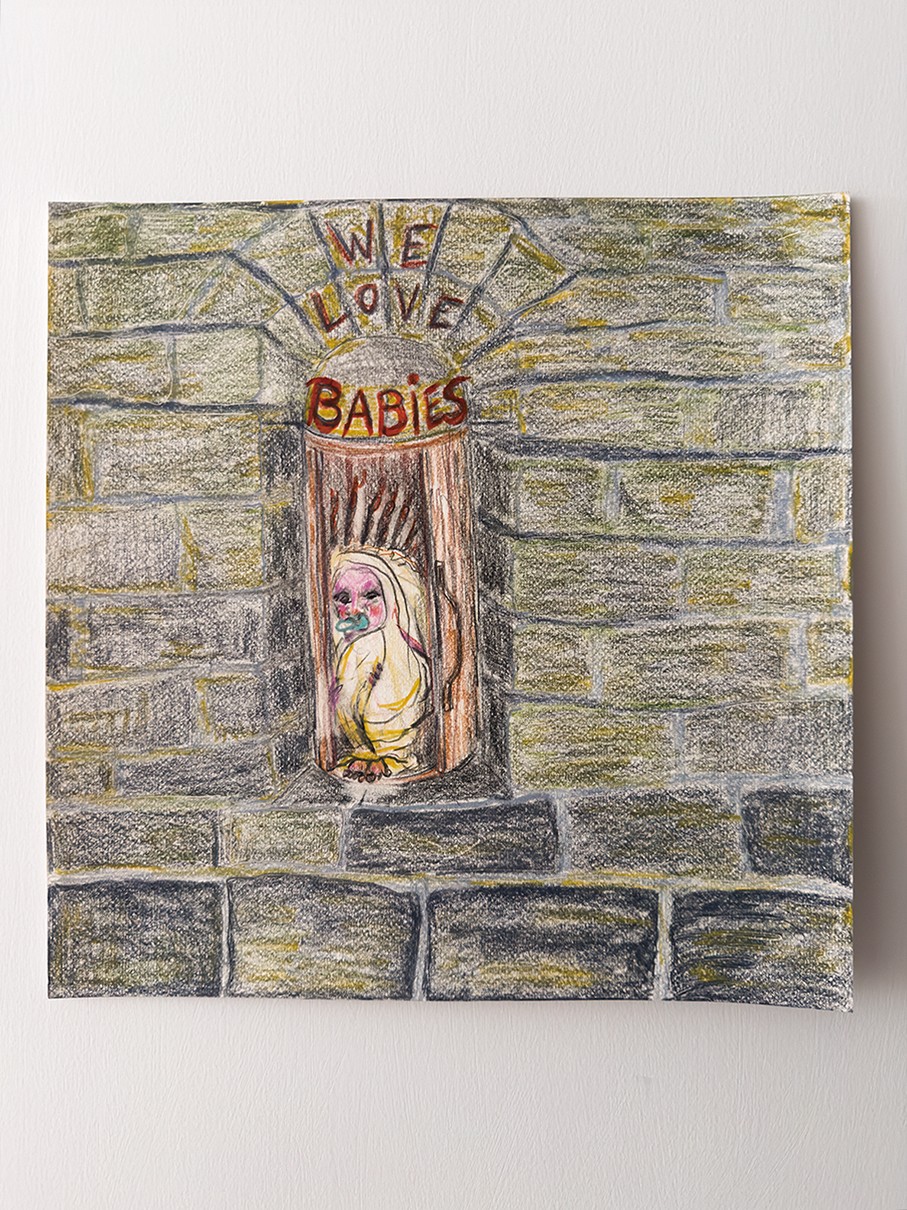
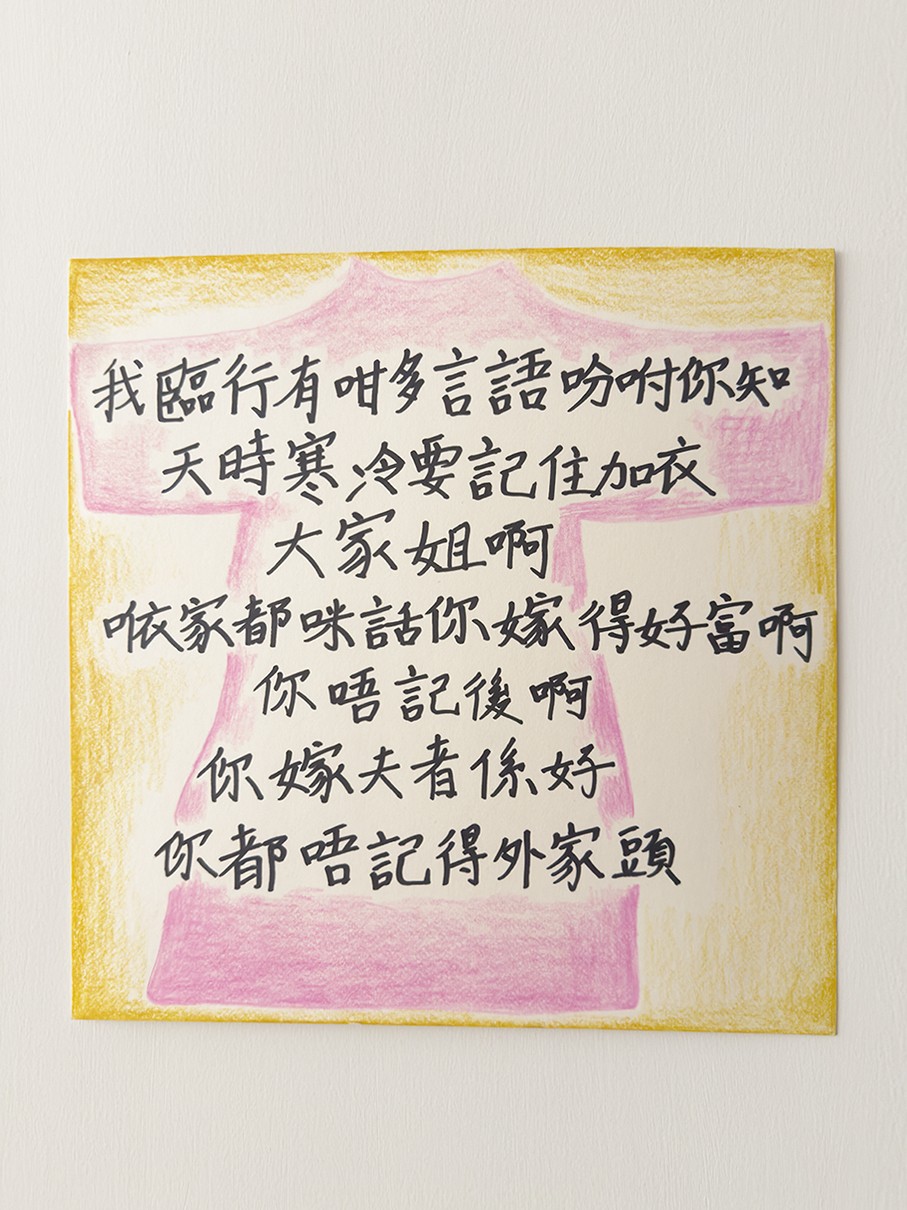
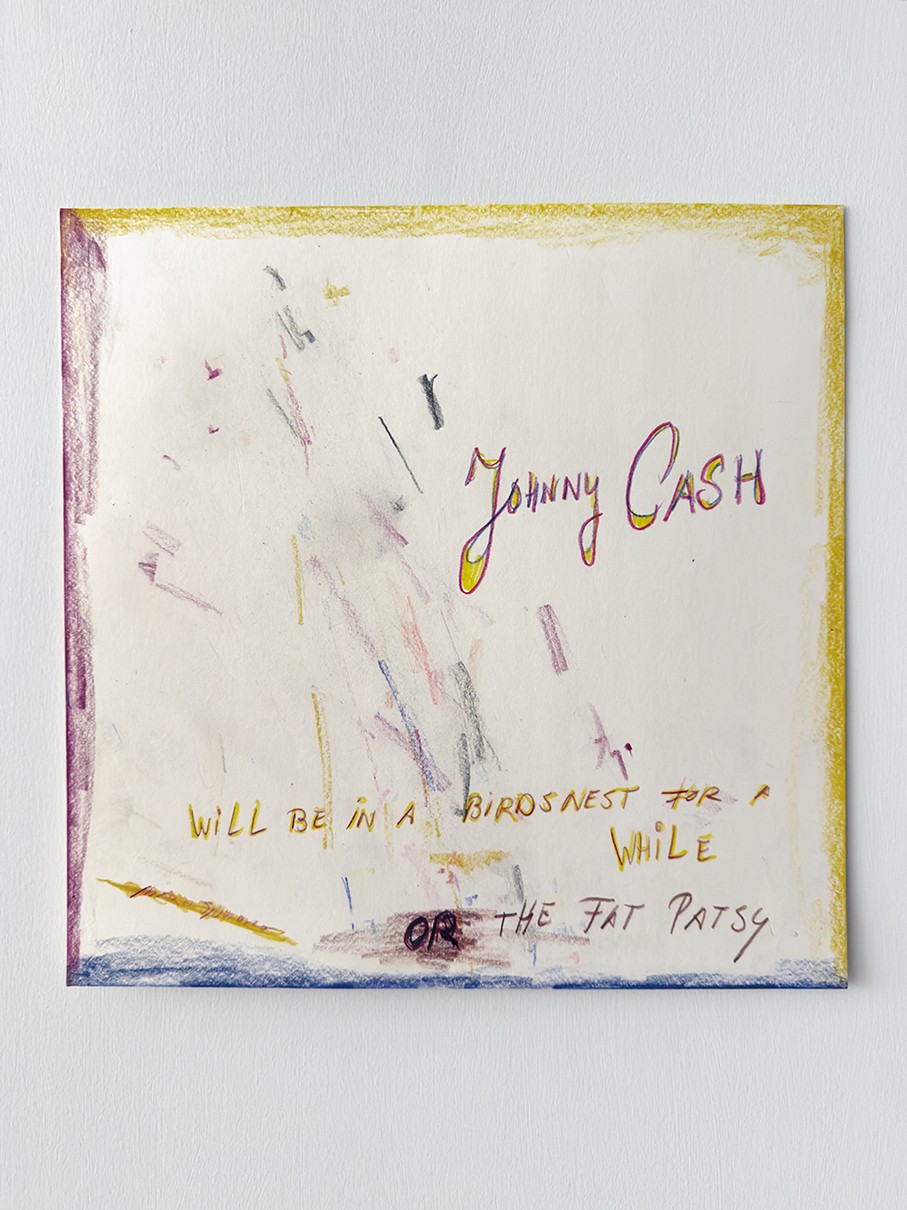
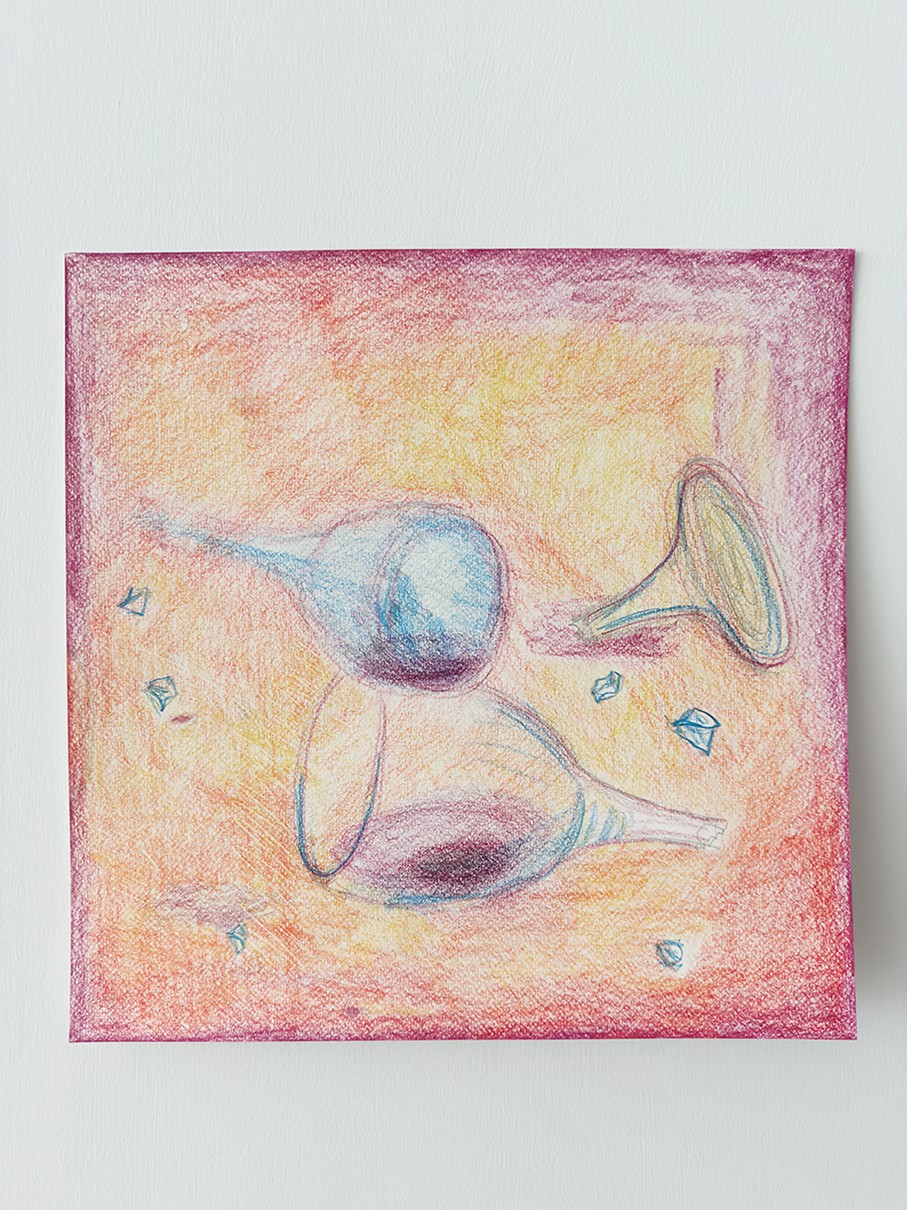
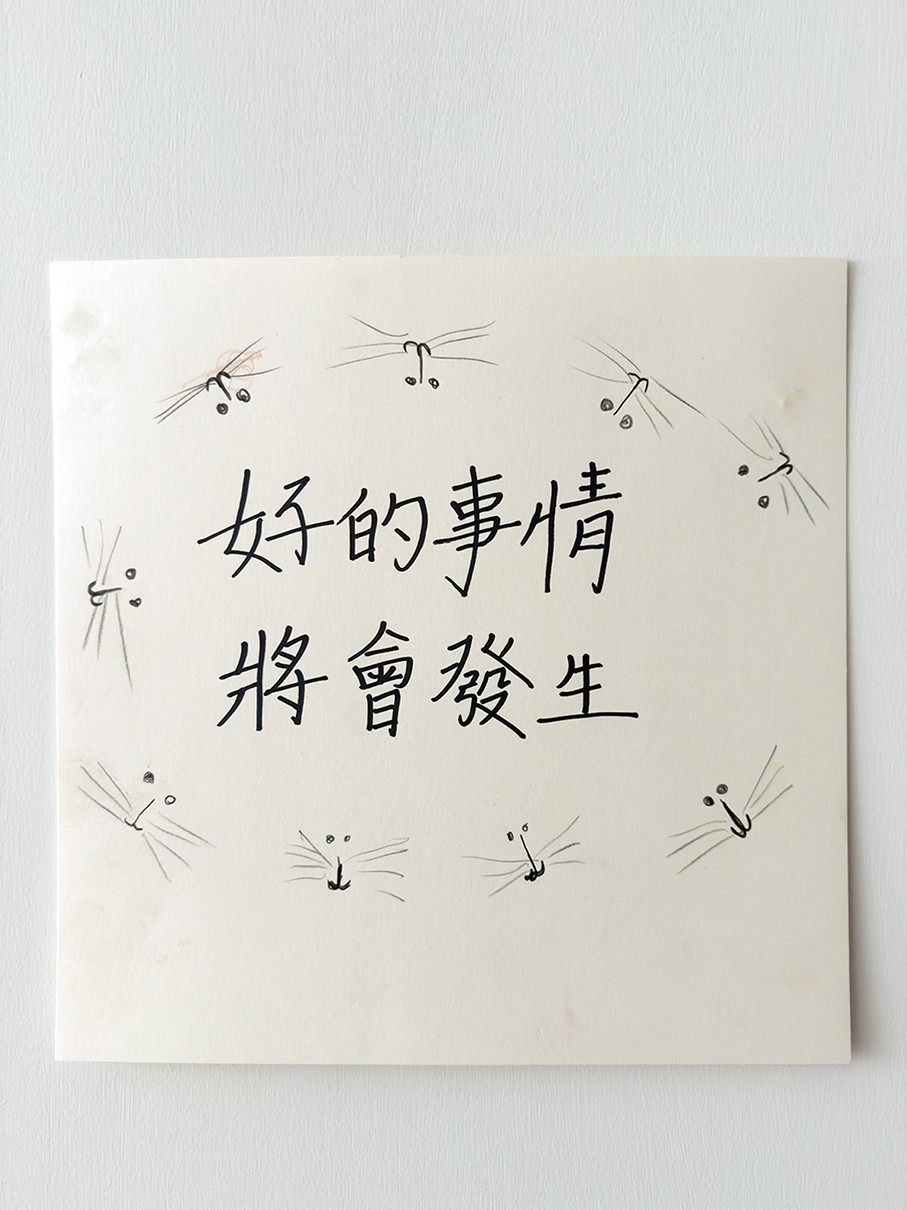
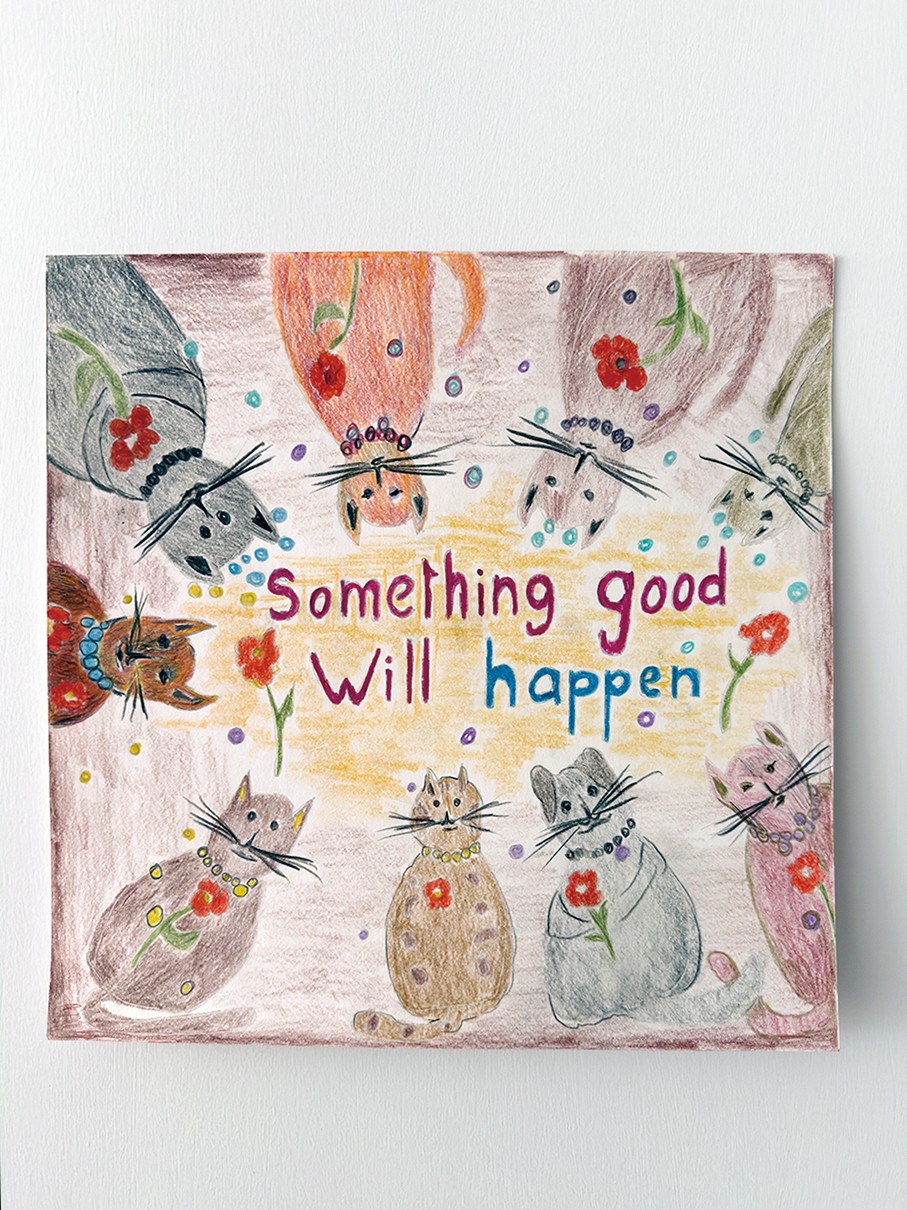
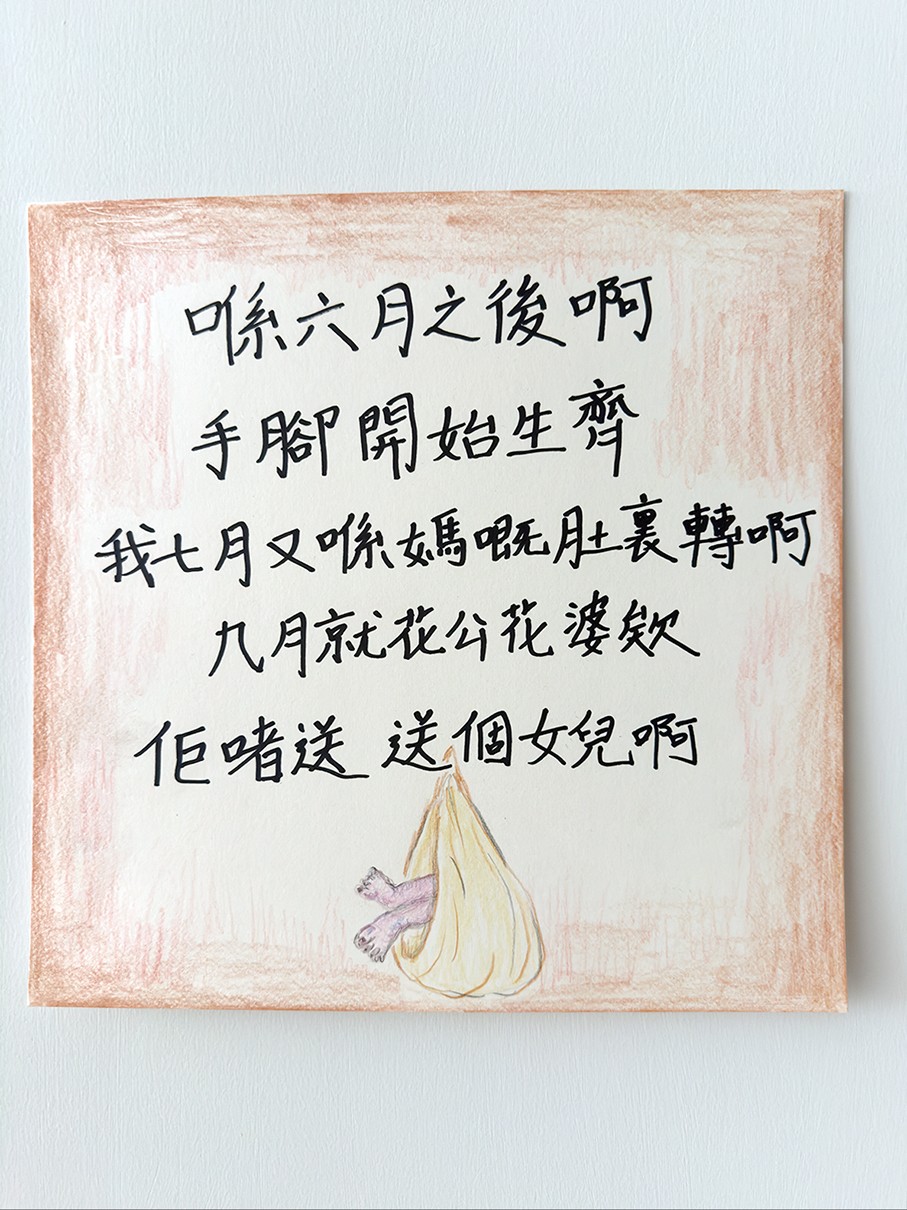
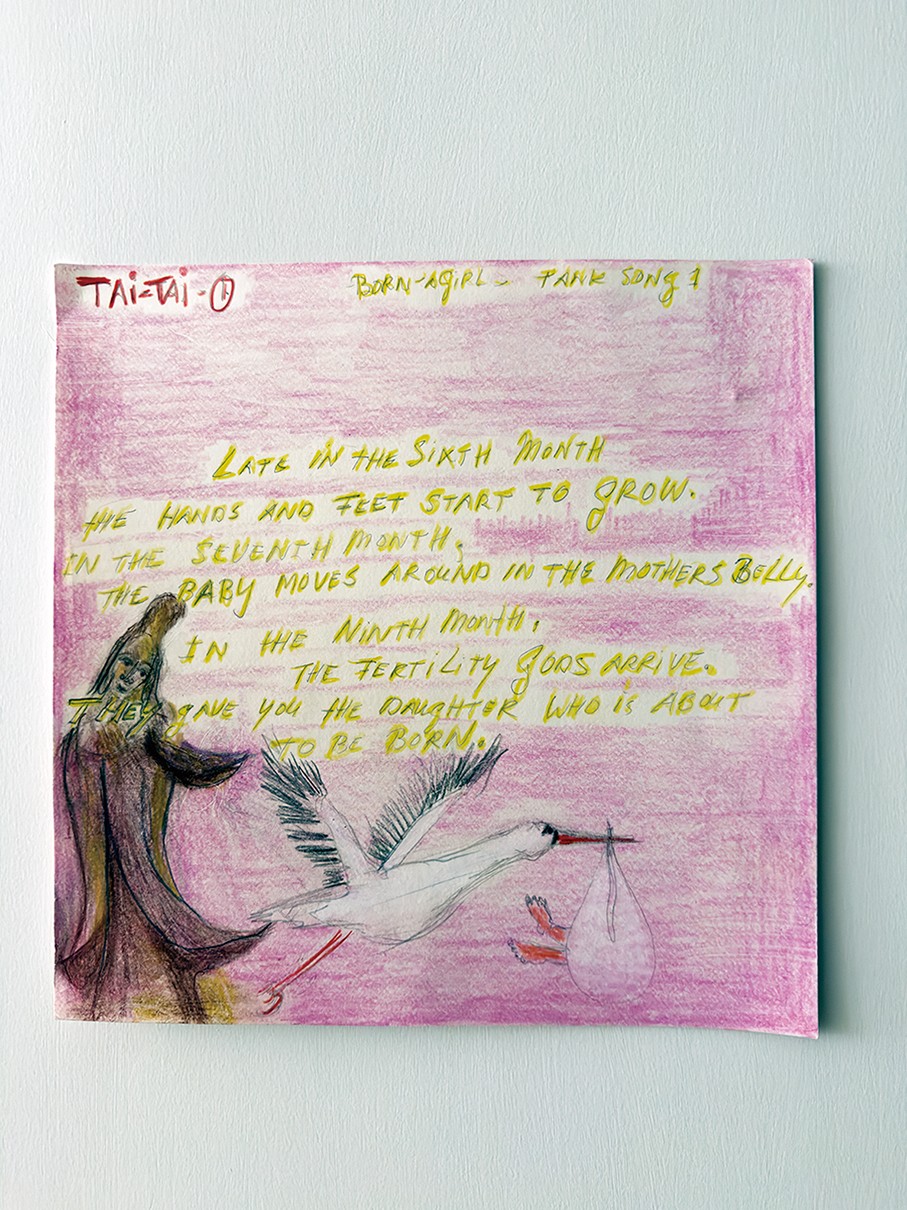
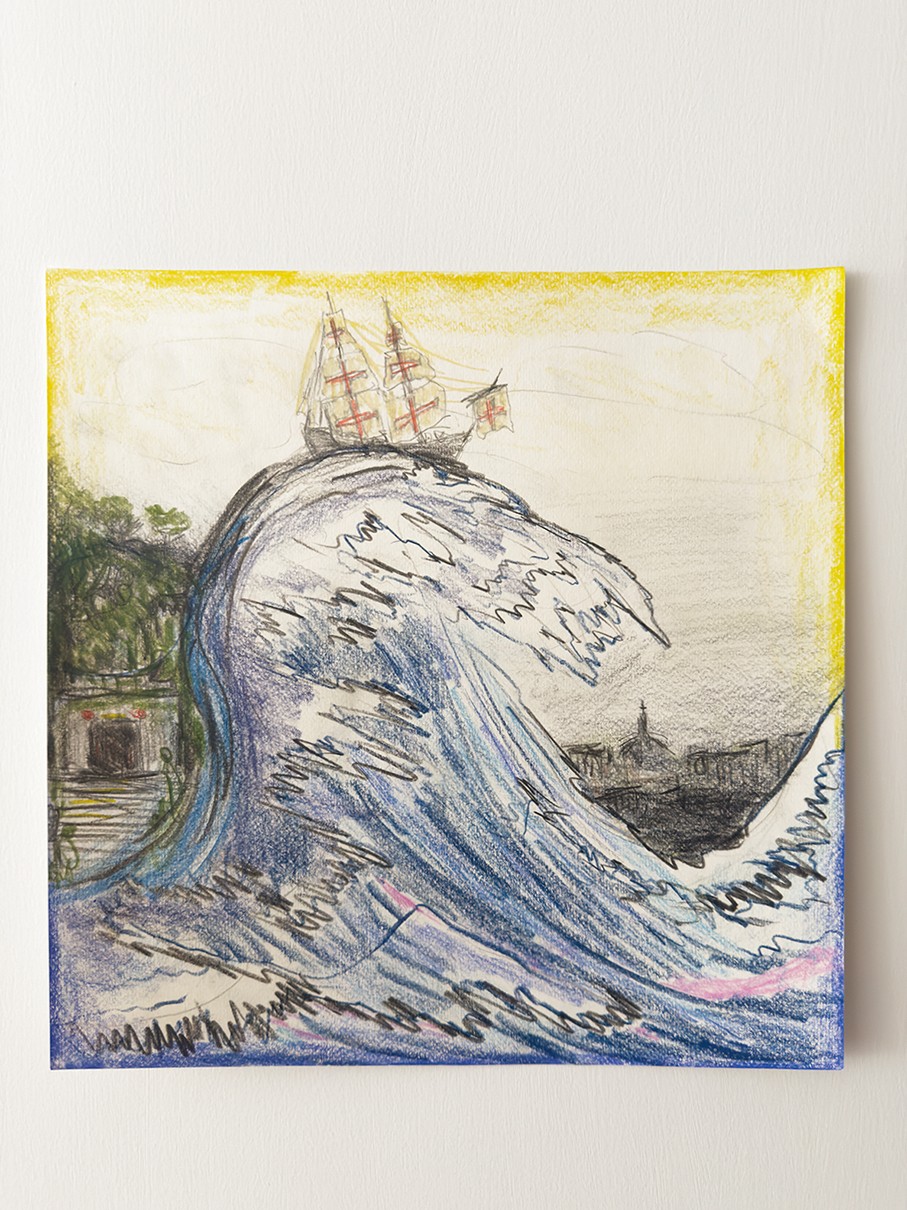
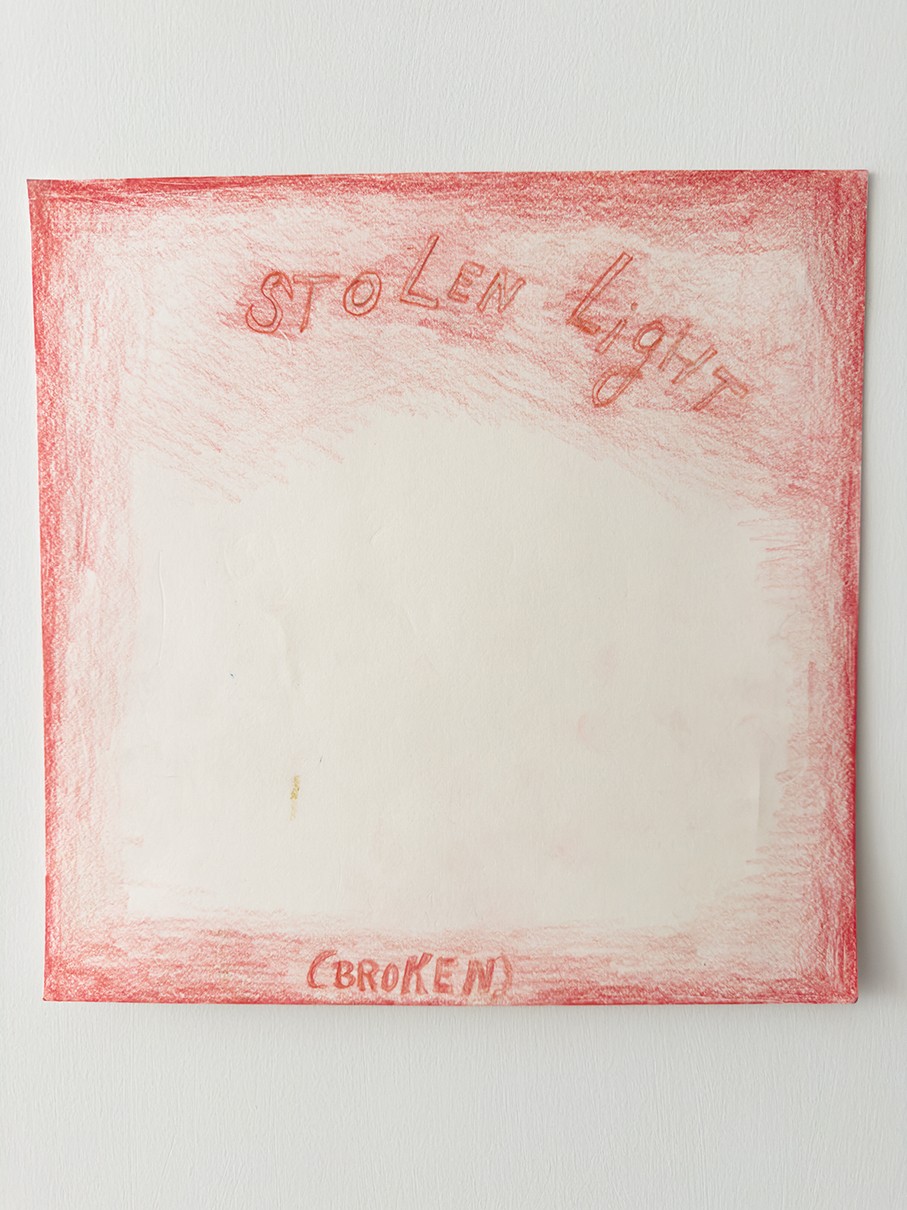
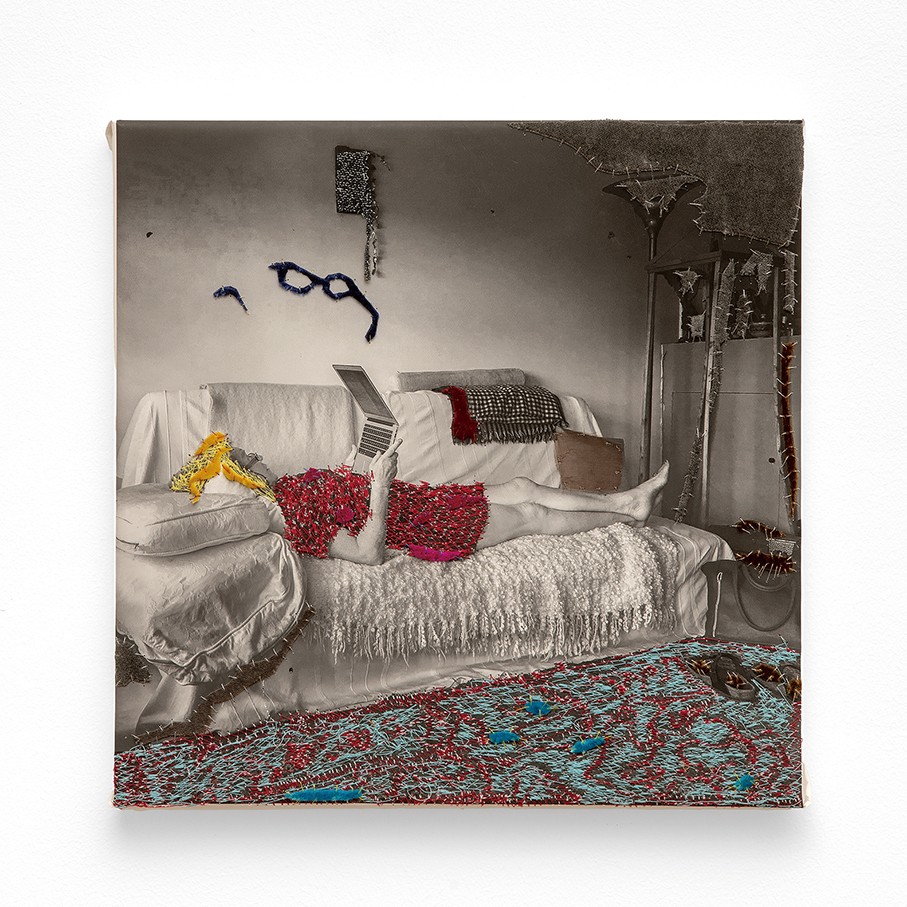
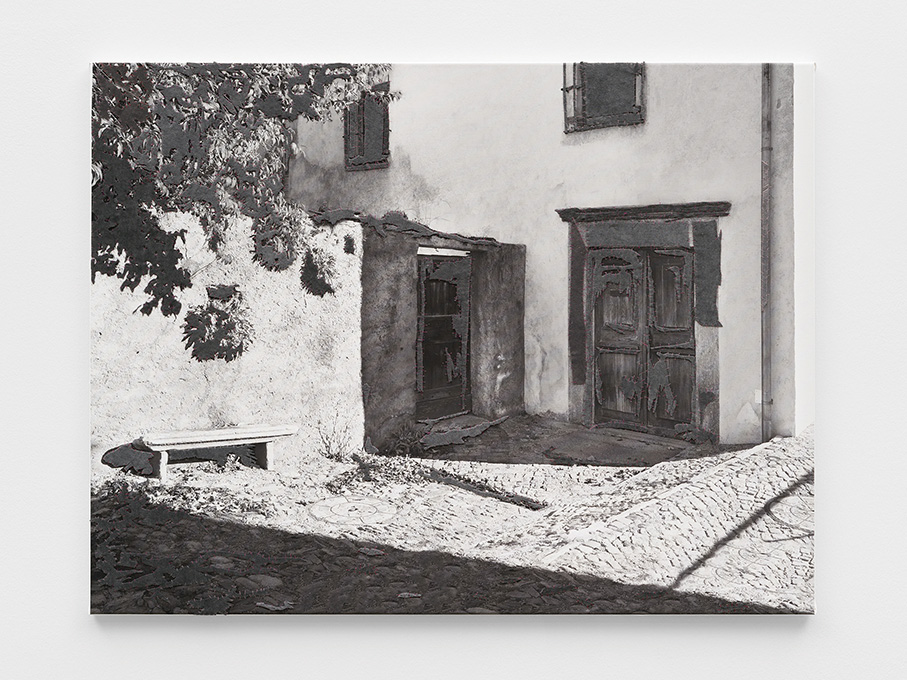
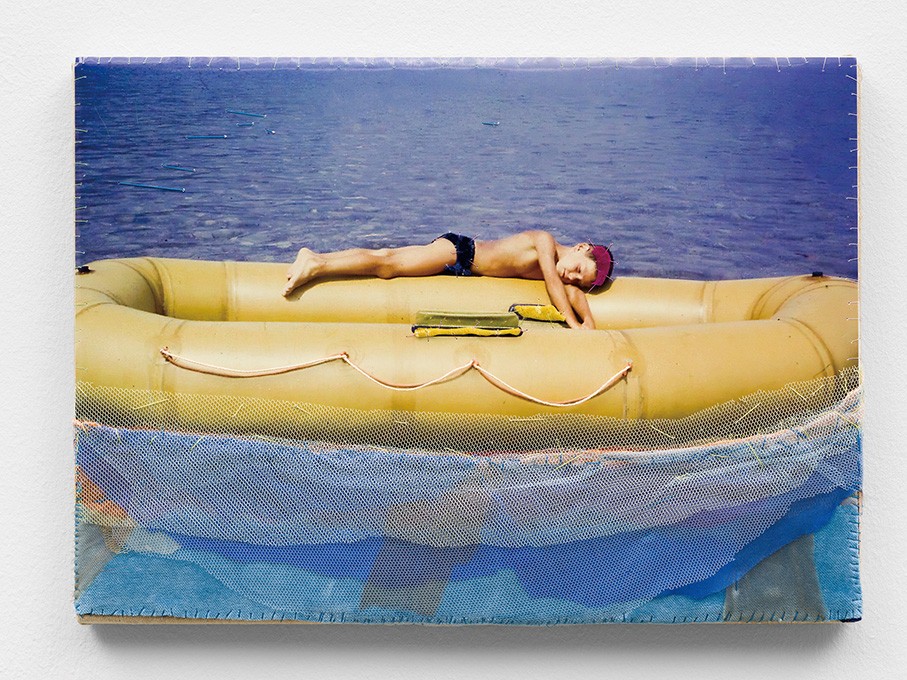
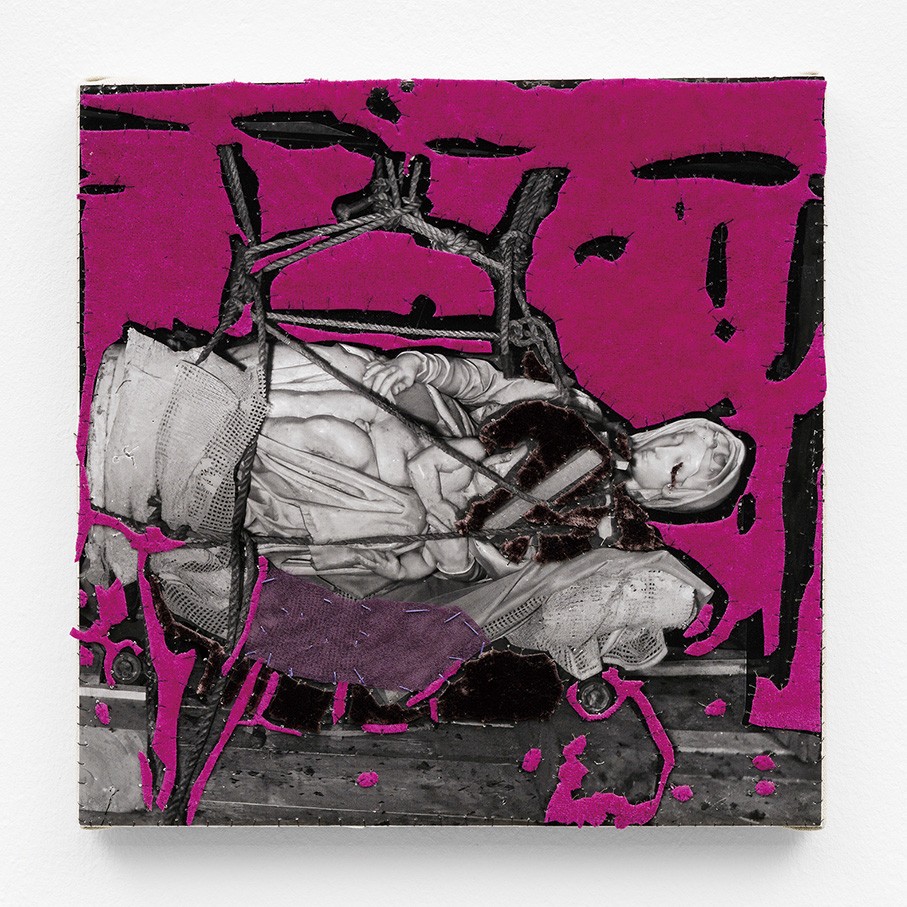
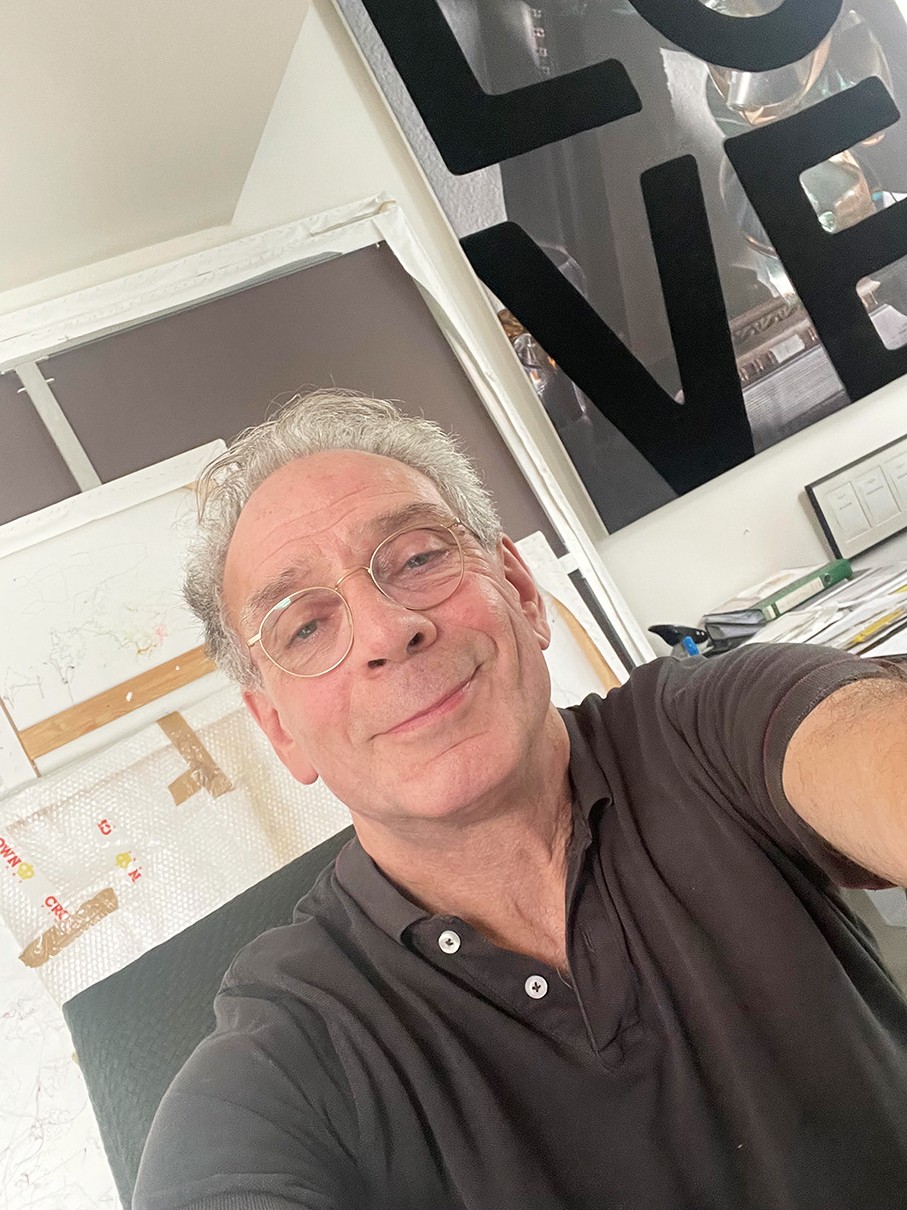
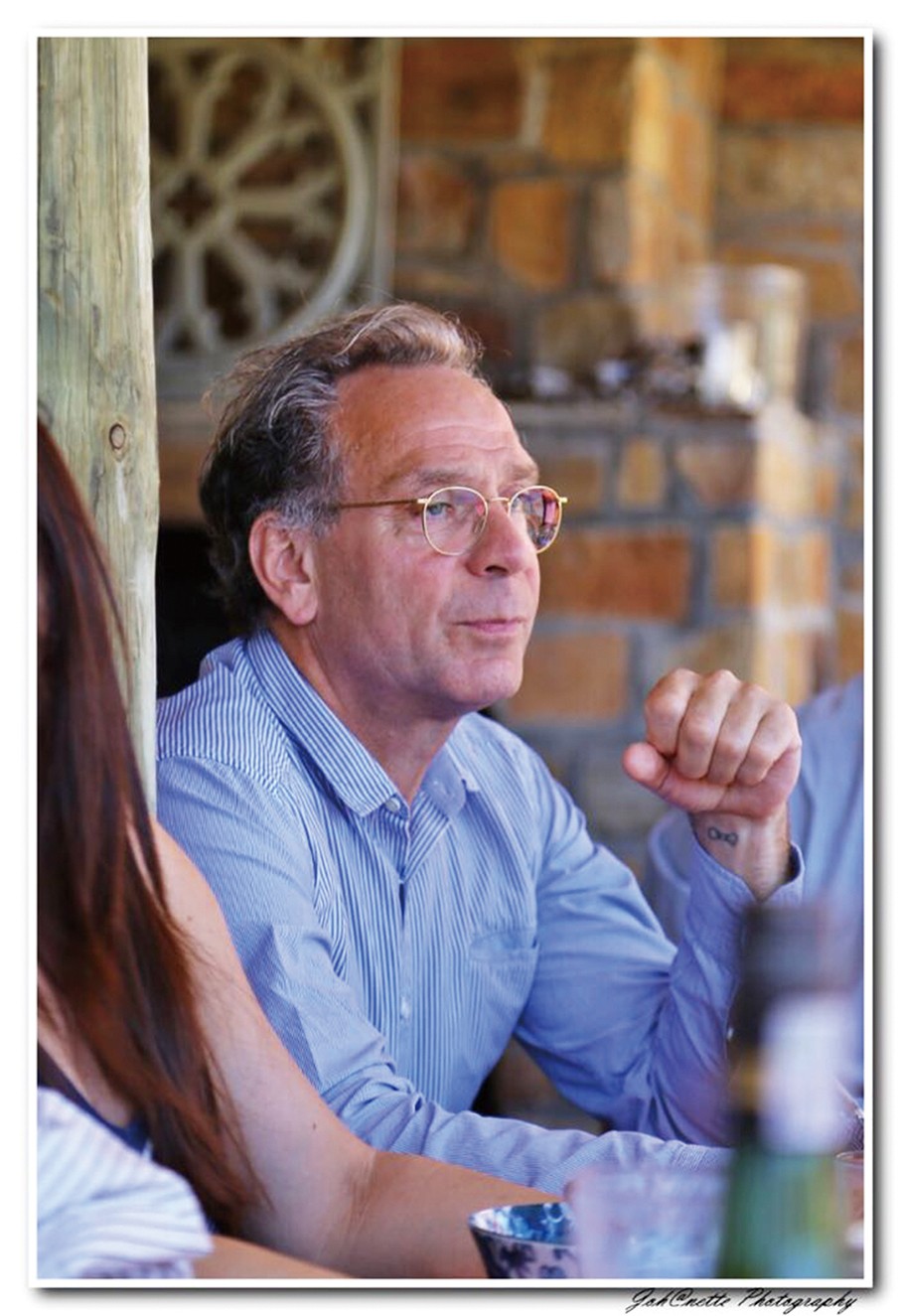
The graphic scores drawn by Berend Strik during his stay in Macau will be exhibited at the Ox Warehouse Macau starting October 26. – Photos provided by Strik