An exhibition featuring award-winning entries from the “10th Xu Beihong Cup International Arts Competition for Youth & Children (Macau Division)” aims to guide students on core life values.
Funded by the China Red Cross Foundation Liao Jingwen Charity Fund, the exhibition is being hosted at the Chun Cao Tong Exhibition Hall in Lou Lim Ioc Garden.
Curator Liang Jiajie said the event aims to guide students towards appreciating the core values of “truth, goodness, and beauty.”
According to a news article published by the Post on Wednesday, Xu Beihong* (1895–1953) was a master painter, art educator, and pioneer of modern Chinese art who synthesised traditional Chinese ink painting with Western realist techniques. Widely recognised as the father of modern Chinese painting, he is celebrated for his dynamic ink paintings of galloping horses and monumental historical works.
According to a statement released during Tuesday’s opening ceremony, this marks the first time the competition has been held in Macau. It attracted more than 700 submissions from numerous local schools and art training institutions.
The statement also said that 235 students entered the finals, and the winners of the contest include six Golden Horse Awards, six Silver Horse Awards, nine Bronze Horse Awards, 50 First Prizes, 89 Second Prizes, and 81 Third Prizes.
In addition to exhibiting award-winning works, the exhibition also features invited entries from schools and art organisations in Beijing, Chengdu, Dalian, Kaiping, Nanning, Shanghai, Shenzhen, Suzhou and the Guangdong-Macau In-Depth Cooperation Zone in Hengqin, highlighting the event’s cross-regional artistic exchange. Over 300 artworks are on display.
The displayed works cover a wide range of themes. Some students paid tribute to Xu’s artistic spirit through traditional imagery such as galloping horses and ink-wash landscapes, while others drew inspiration from Macau’s streets, urban scenery, natural ecology, family bonds, and imaginative concepts.
Leaving a message at the venue, Art Teacher Communication Association of Macau President Leong Hong Si noted that Xu remains one of the most significant figures in modern Chinese art.
The horses Xu depicted in ink wash have become a unique cultural and spiritual symbol of modern China, Leong said, adding that their strong, graceful forms embody the noble, unyielding spirit of the Chinese people and their enduring pursuit of self-improvement.
Leong expressed hope that the exhibition would carry forward Xu’s legacy. Rooted in Macau - a centuries-old meeting point for Chinese and Western cultures - the event aims to immerse local youth in art and inspire meaningful reflection.
By leveraging Macau’s unique position as a cultural bridge between China and the world, the exhibition seeks to nurture artistic achievements that are both deeply grounded in tradition and internationally minded, Leong added.
Liang emphasised that the showcase is about more than technique and presentation; it aims to encourage students to observe life, feel genuine emotions, discover beauty, and express themselves through art.
In his view, aesthetic education for children lies in respecting each child’s natural rhythm and innate nature, allowing them to develop personal sensibilities through seeing, thinking, and creating. Through art, children can experience life, understand themselves, and gradually build a positive inner world, Liang concluded.
* Xu Beihong (徐悲鸿) is a towering figure in modern Chinese art, celebrated as the “father of modern Chinese painting” for his pioneering fusion of Eastern and Western artistic traditions. Born into a poor family in Yixing, Jiangsu Province, Xu began learning traditional Chinese painting from his father as a child. He first worked as a portrait artist before moving to Shanghai, where he met the influential reformer Kang Youwei, who inspired his vision to modernise Chinese art. In 1919, Xu won a government scholarship to study in Paris. He spent eight years in Europe, mastering academic realism at the École des Beaux-Arts (School of Fine Arts) and visiting Germany and Belgium.
Returning to China in 1927, Xu championed a “Sino-Western fusion.” He respected tradition but argued for reform, famously stating: “Keep what is good in ancient methods... add what is insufficient, and merge what can be adopted from Western painting”.
A museum in Beijing is dedicated to his life and work. - DeepSeek
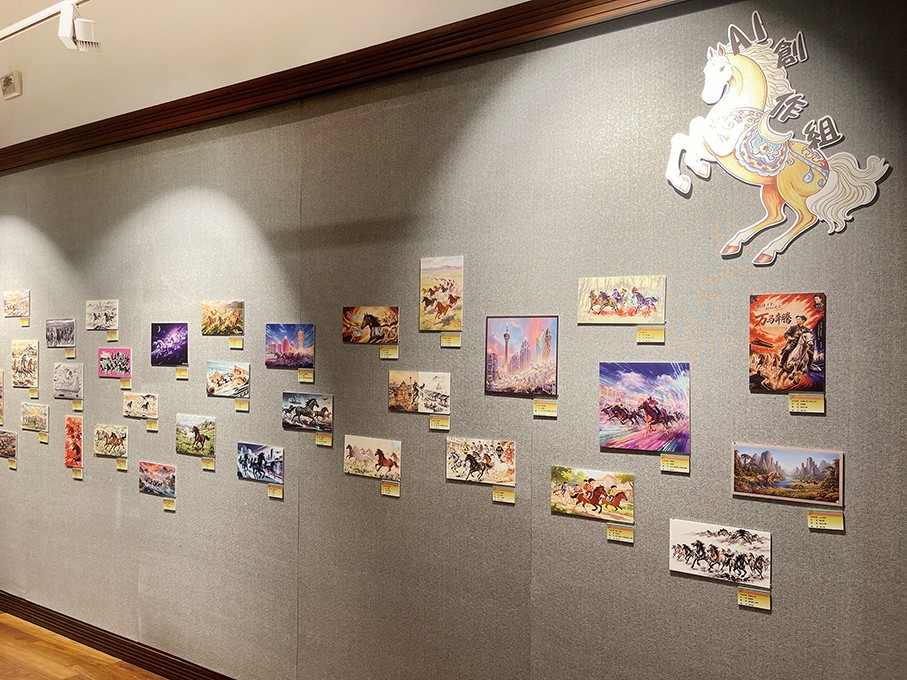
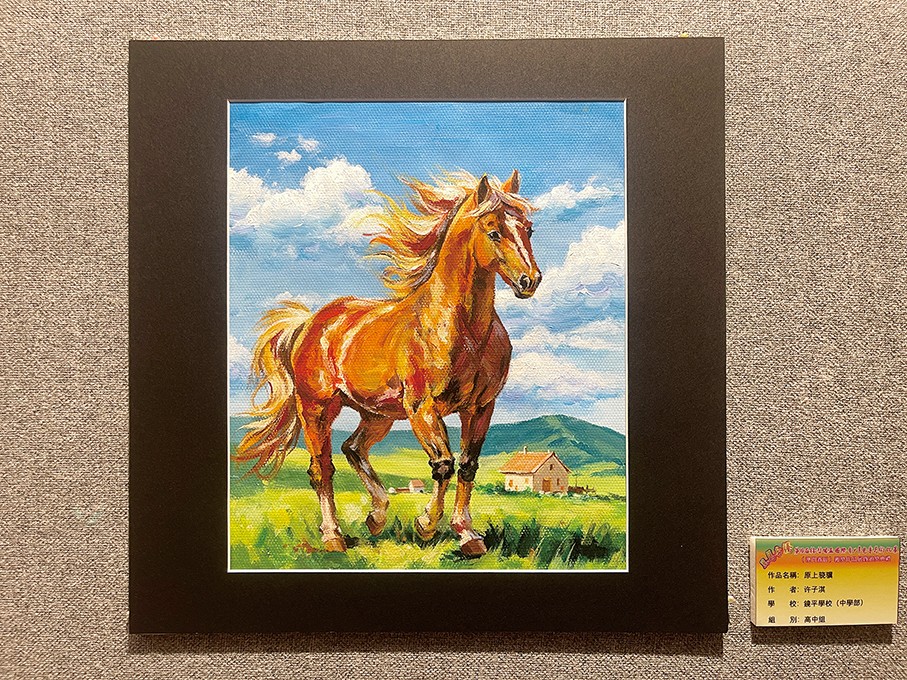
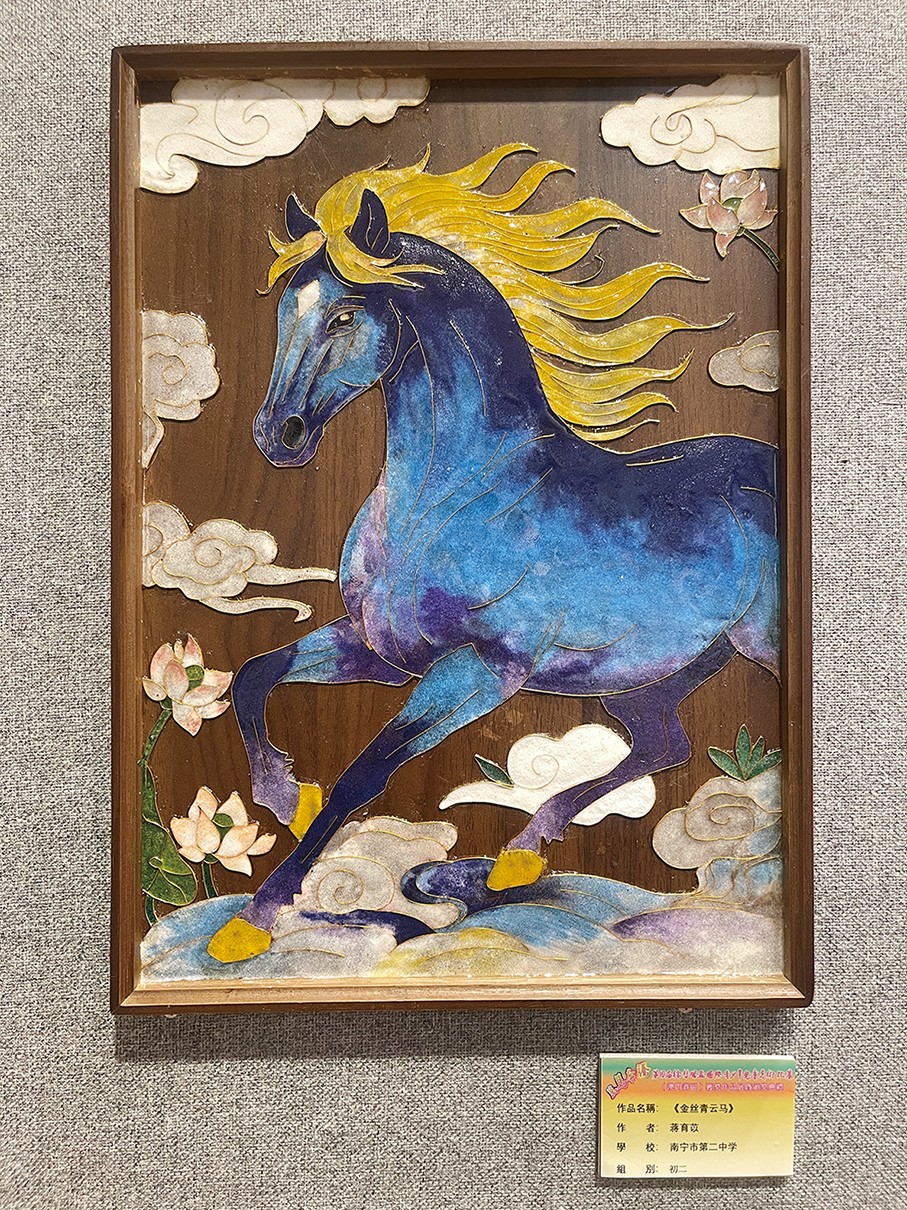
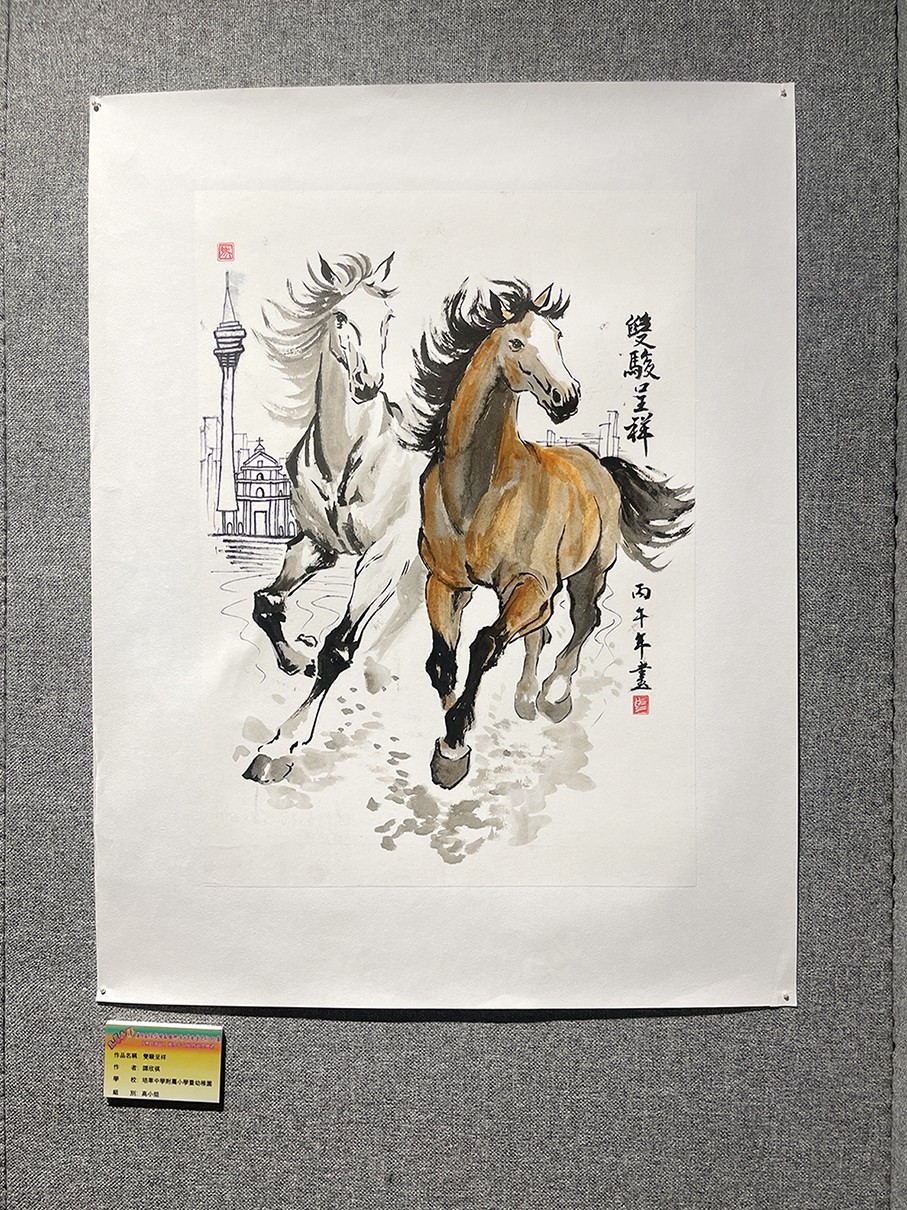
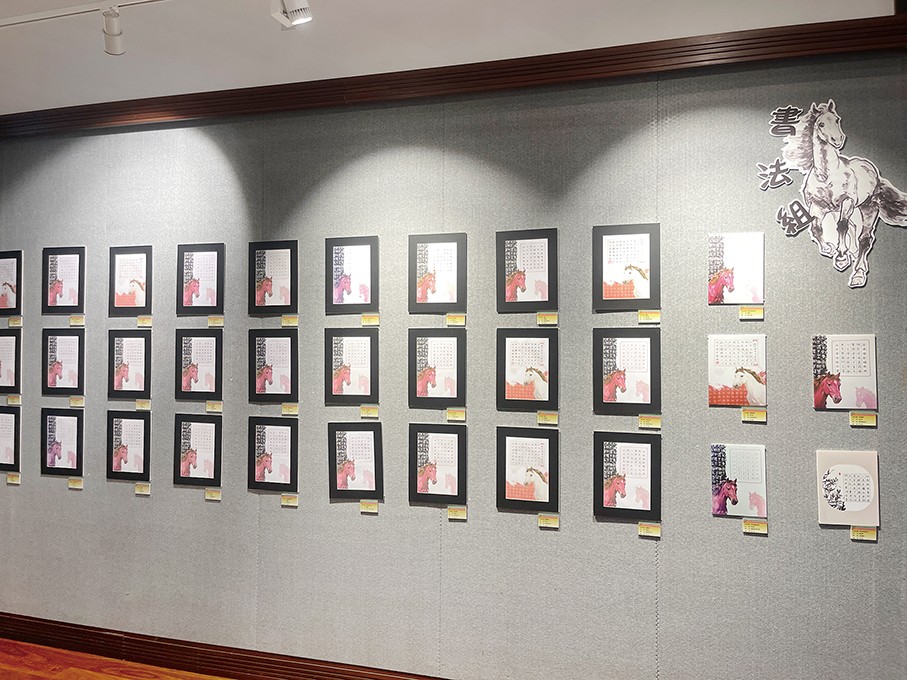
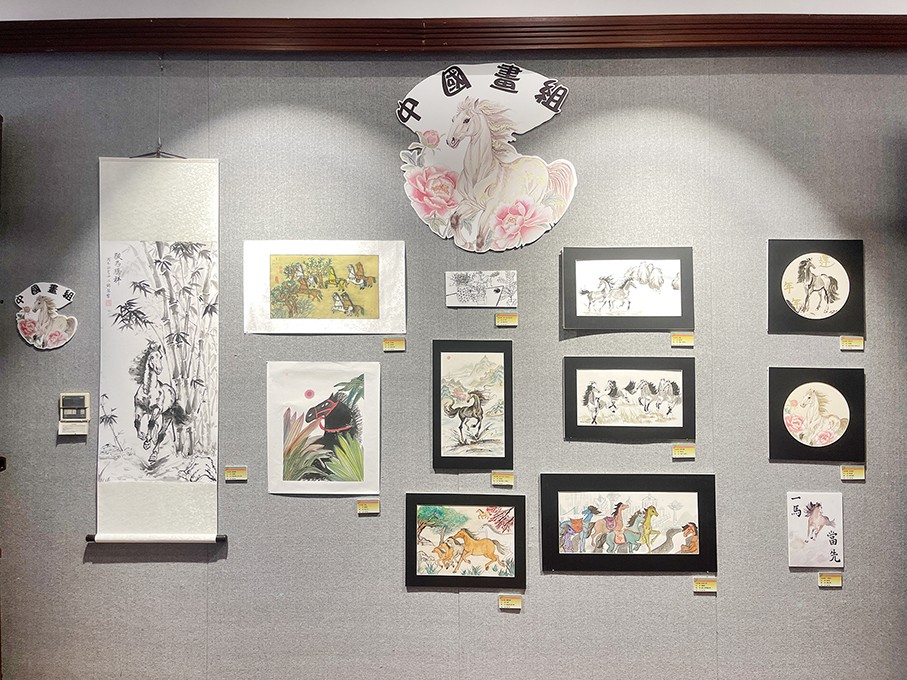
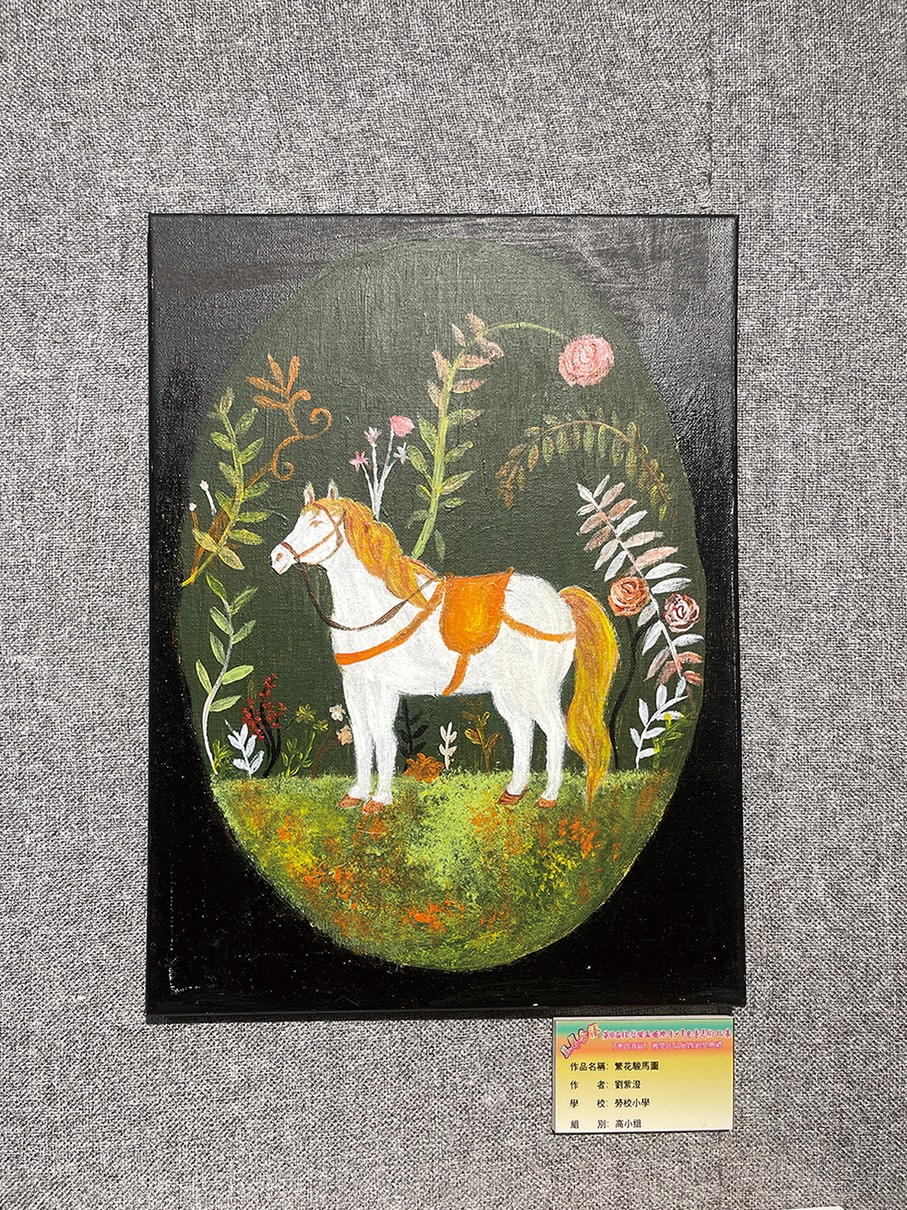
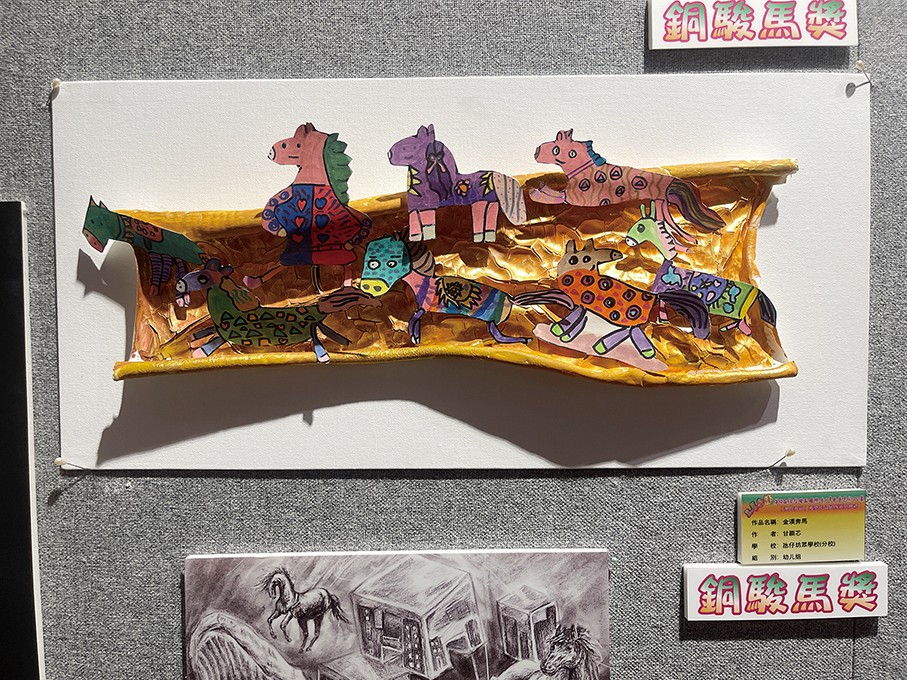
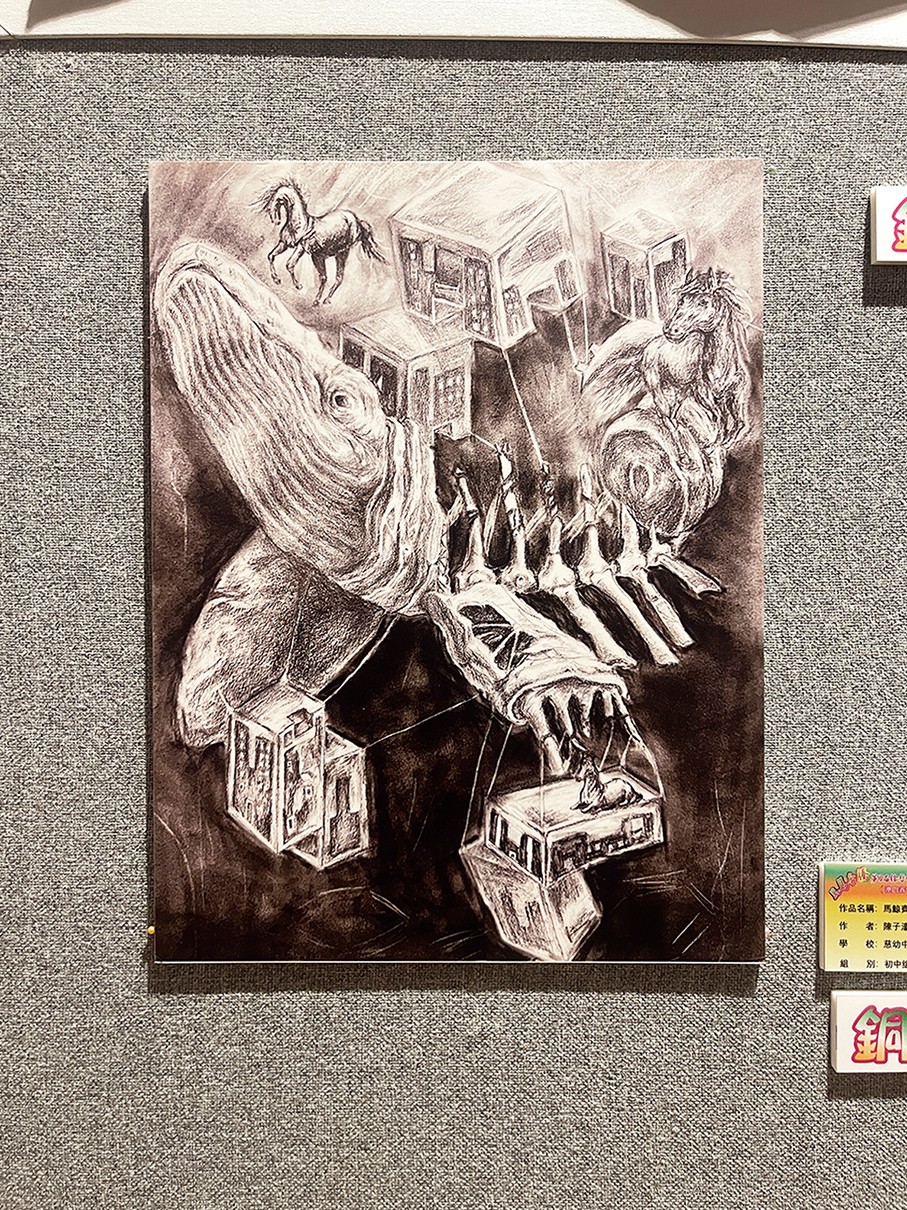
Photos taken by Armindo Neves yesterday at the Chun Cao Tong Exhibition Hall in Lou Lim Ioc Garden