Interview by Rui Pastorin
On a corner in Rua de Pedro Coutinho (高地烏街) sits a small local bookshop continuing to highlight what its owner believes to be important for a child’s life and development: picture books.
The bookshop, called “Cuchi-Cuchi Bookhouse”, has called the area home for about a year, though the brand has been around since 2018, being first set up near the Ruins of Paul’s, owner Lily Wong (黃國娟) told the Post in a recent interview.
The business’ name meanwhile comes from several meanings, among which is the sound people make when they tickle babies and children. Wong, who was born in Venezuela, added that the word “chi” also holds a special meaning, being an endearing term in Spanish that refers to something cute or lovely.
“I named this bookshop Cuchi-Cuchi Bookhouse because I think every child is lovely”, she said. Meanwhile, taking the Cantonese context, Wong also uses the word “智”, pronounced “zhi” and meaning wisdom, in its Chinese name, hoping children can also learn and play. And from when the idea got off the ground to now, she has been using the platform to promote the power of picture books on a child’s development, as well as helping children and their parents “discover together”.
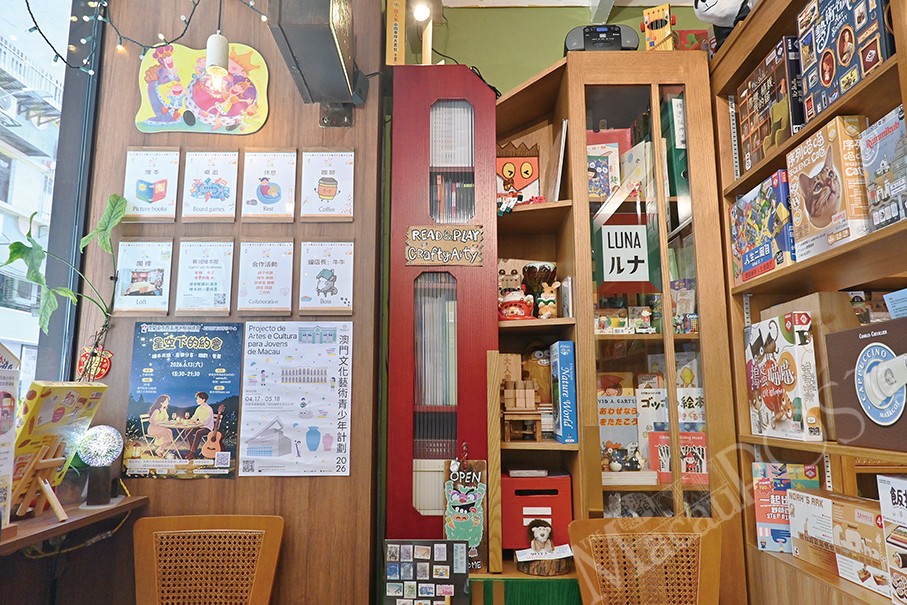
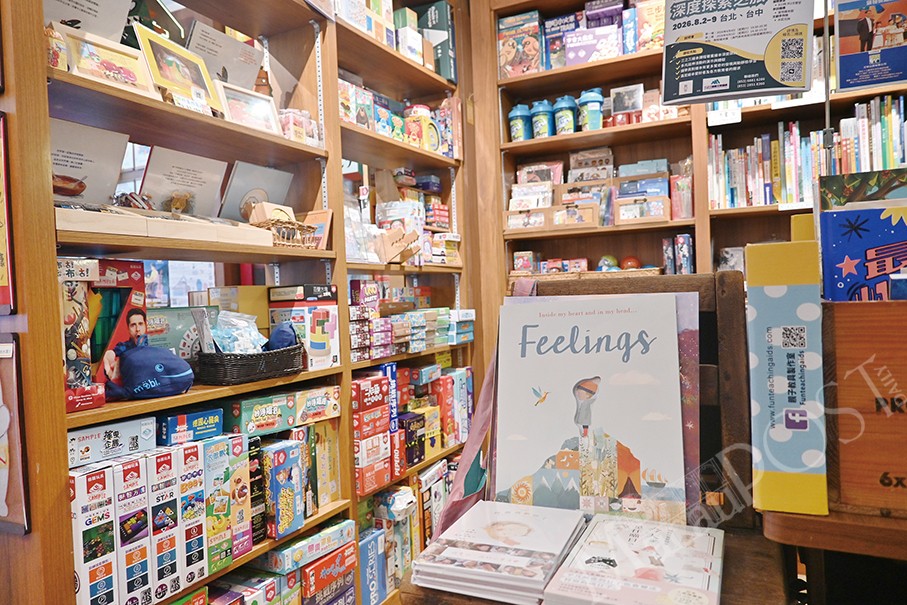
Stepping inside, one is immediately met with an earth-tone, cozy space, shelves filled with books, mainly picture books, ranging from new to donated second-hand ones, along with a variety of toys and board games to explore. When not busy tending to customers and organising or sorting products, Wong can be found behind a counter preparing serve a selection of coffees and other beverages.
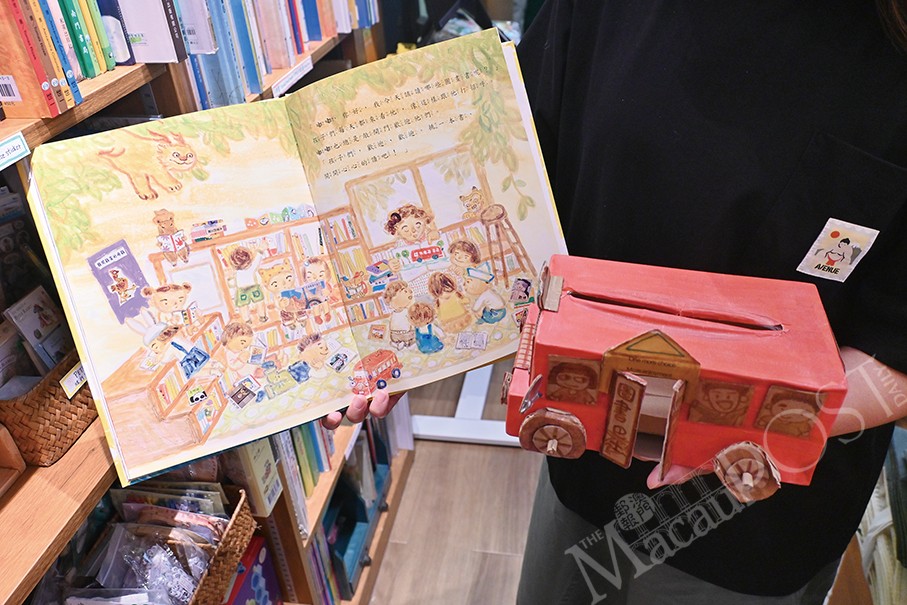
While running a coffee shop had been a lifelong dream, Wong has always had an affinity for picture books, particularly during her tenure as a social worker, going deeper and deeper into the impact of picture books as she worked with youngsters and families during parenting programmes, playing an important role. “There are many ideas in picture books”, Wong emphasised, with many life-related stories with lessons to learn, ranging from caring for the environment and recycling to developing good morals, interpersonal relationships, managing one’s emotions, emphasising its limitless nature. For her, it can also foster curiosity as well as generate ideas and creativity, with Wong carefully curating the selection of books to ensure that readers can take something away from reading them.
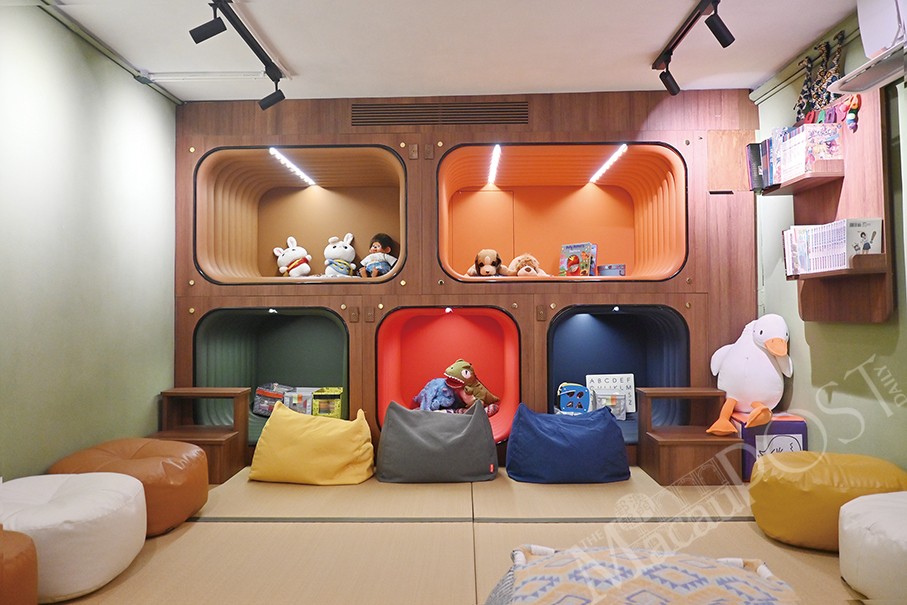
Enhancing this are paid workshops for children and their parents at the loft area of the bookshop, where children can also play and read for a fee, noting that to promote the use of picture books as well as help reinforce what children learn from them, those incorporating expressive art continue to be held, allowing children to grasp the story and retain the messages behind them, as well as express their thoughts and learning through art.
Aside from these workshops are those for adults, all done in cooperation with various entities from public services to schools to non-government organisations (NGO), with the bookshop designing the programmes.
However, while there is some demand for picture books and workshops, it has not been easy, with Wong particularly pointing out the current market. “Not many parents see the value of books, especially now when the economy is not good. Not many parents like to also pay to join workshops or even buy a book”, while others might prefer to use electronics such as iPads and social media platforms like YouTube for learning.
But what keeps her going?
Wong says the path, no matter the difficulty, remains “meaningful”, while there are still parents who realise the importance of books in their child’s development, along with a preference for something physical still existing in a world awash with screen time and digitalisation. “They want the kids to hold something”.
Workshops and initiatives have also had encouraging results, with positive feedback from parents and those involved. “They want their parents to read to them”, Wong added, noting: “From an early age, I think most kids like to listen to stories and they like to see pictures”. She hopes to help parents realise this as well as hold more storytelling training for them.
She also noted that some have observed a difference in temperament between kids who like and don’t like reading books. As an example, she said that some who have a preference for electronics like iPads or platforms like YouTube might not have the patience or focus due to how fast and stimulating these might be. And once they hold a book or study, they “don’t have the patience to read, look, or wait”, yearning for digital platforms instead.
It might also affect emotions, particularly finding difficulty in expressing them, she said, and the inability to properly articulate how one feels can have negative connotations down the road, including self-harming.
“So, I think the parents can see the good and the value of using books”, she said, seeing the need to read more and the importance it possesses, especially in their overall development. While some parents might already be aware of this, Wong says she hopes to take this further, such as hosting public talks beyond her bookshop being one of her goals. For now, Wong continues to promote the importance of picture books through her bookshop, selling books and activities, perhaps even a cup of coffee or two.
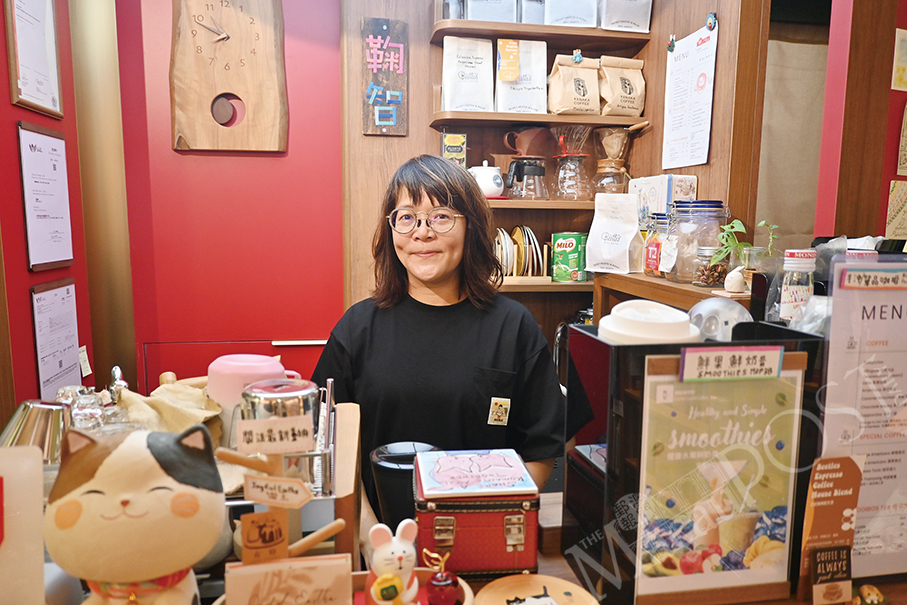
Cuchi-Cuchi Bookhouse founder and owner Lily Wong poses behind the counter at her bookshop on Rua de Pedro Coutinho. – Photos: Rui Pastorin