Review by William Chan, in Hong Kong
During the Chinese New Year holidays, I went to the Hong Kong Palace Museum in West Kowloon Cultural District to witness “Ancient Egypt Unveiled: Treasures from Egyptian Museums,” an exhibition jointly organised with the Supreme Council of Antiquities of Egypt.
Even on a weekday, the seventh day of the Lunar New Year, the long queues were a sight to behold – a level of enthusiasm for a paid exhibition rarely seen in Macau, signalling the profound draw of this ancient civilisation.
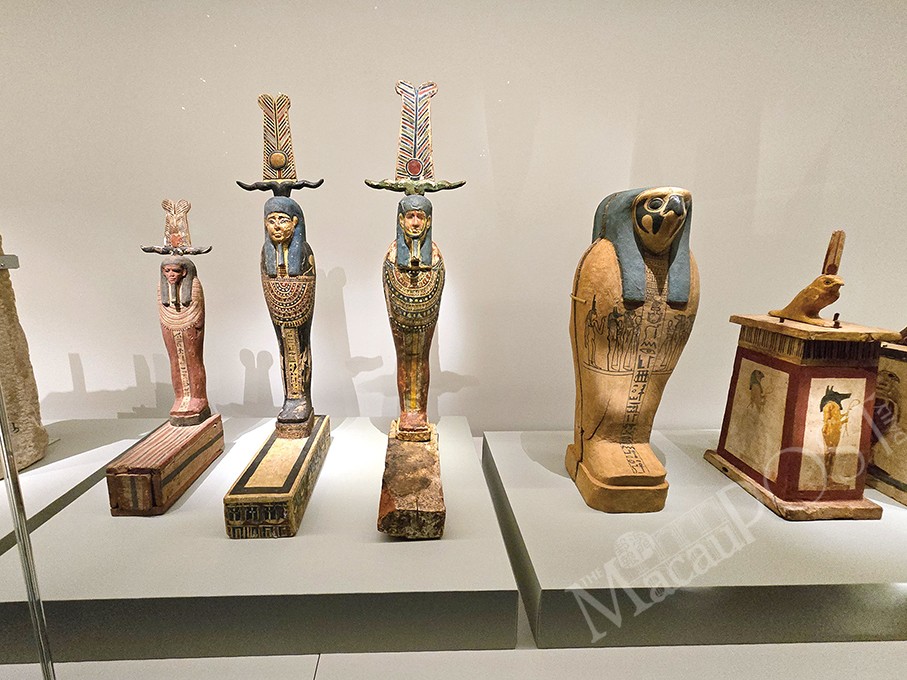
The exhibition is a monumental undertaking, featuring 250 spectacular treasures from seven major Egyptian museums and the Saqqara archaeological site. With artefacts spanning nearly 5,000 years, a curator could hardly fail. The collection, much of which is still being unearthed and studied, offers a stunning glimpse into the politics, arts, and religious beliefs of ancient Egypt.
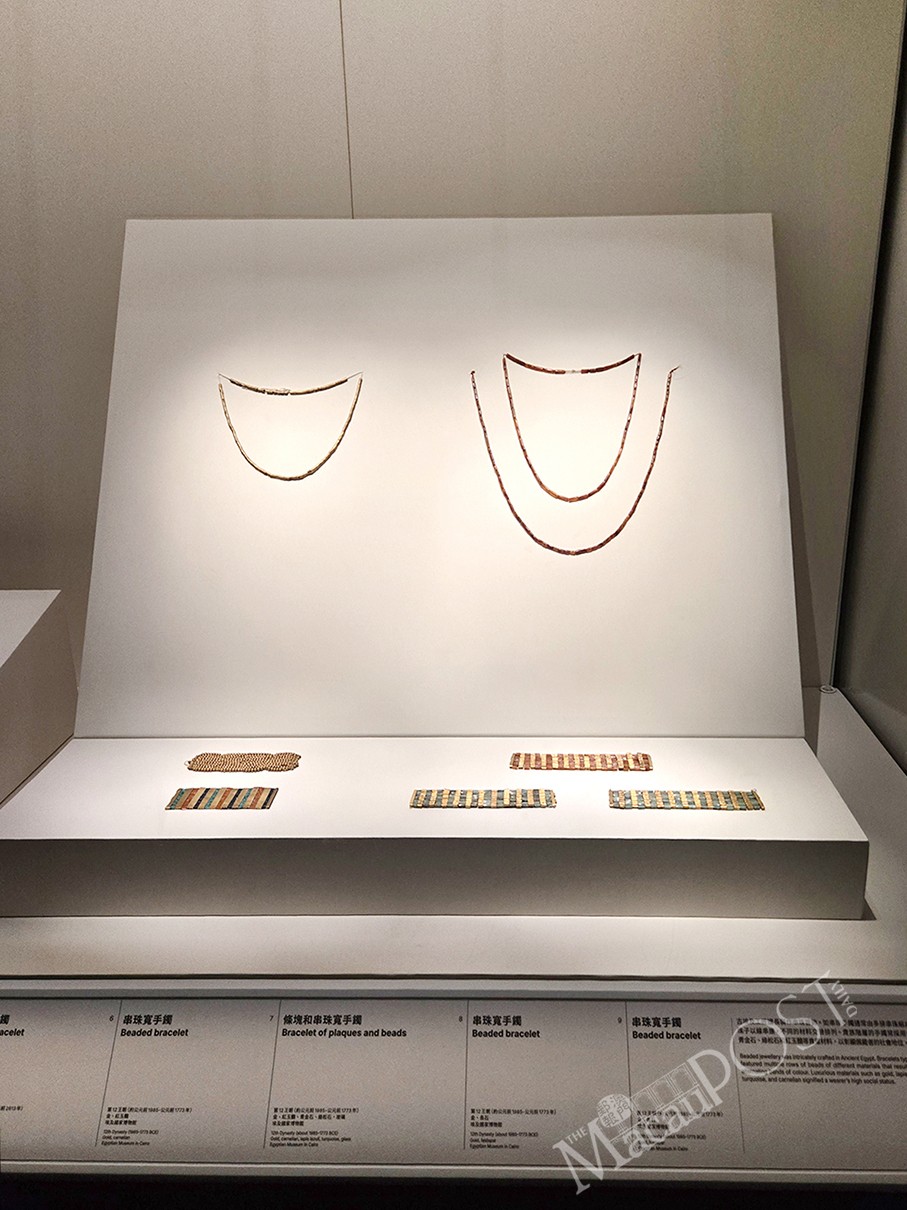
The precision of a golden collar and bracelets, crafted with breathtaking skill nearly 4,000 years ago, was a personal highlight.
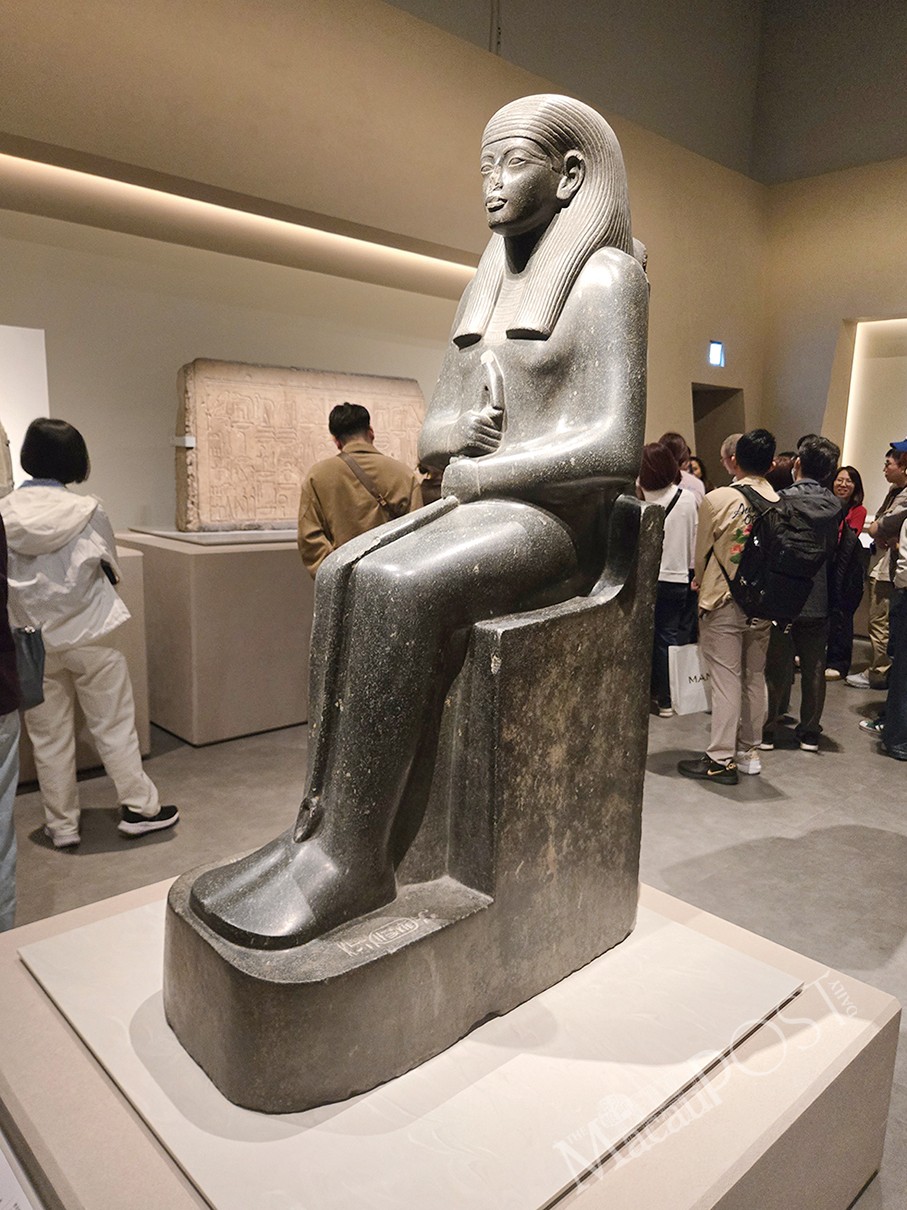
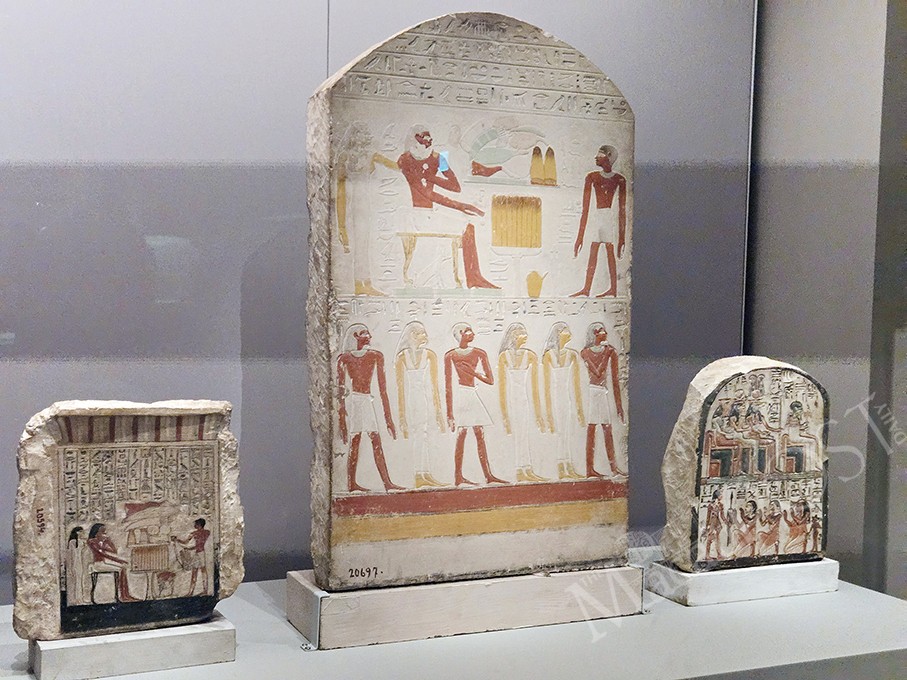
Elsewhere, magnificent colossal statues stood in silent grandeur, their creation in ancient times a feat that defies imagination. The exhibition also delves into the architectural genius behind the pyramids, the sole surviving Seven Wonders of the Ancient World, alongside the iconic mummies, sarcophagi, and the intricate hieroglyphs that represent one of humanity’s earliest writing systems, emerging around 3200 BCE, about 5,226 years ago.
A particularly thought-provoking section placed the civilisations of China and Egypt side-by-side. It was a humbling moment of reflection. Despite China’s own vast and ancient culture, the timeline shows that writing systems in Egypt and Mesopotamia predate Chinese characters by a millennium. The concepts of dynasty and pyramid construction also came long before the Great Wall. It is a powerful reminder of the sheer depth of human history.
Nevertheless, the comparison also highlights a crucial difference. The ancient Egyptian civilisation as it was known eventually faded after Roman rule and was later absorbed into a new cultural identity. In contrast, Chinese culture has demonstrated a unique tenacity, allowing it to endure and evolve through millennia.
This truth was powerfully underscored by the museum’s concurrent exhibition of treasures from the Qing Dynasty’s Forbidden City on a lower floor. It served as a vivid showcase of how cultural fusion can lead to greater heights and how China, while taking pride in its own heritage, extends a grand welcome to guests from around the world. In an age of frequent disputes, the lesson of embracing and cooperating from other cultures is one we must continuously protect and cherish.
The Hong Kong Palace Museum is open from 10 a.m. to 6 p.m. on Mondays, Wednesdays, Thursdays, and Sundays, with extended hours until 8 pm on Fridays, Saturdays, and public holidays. The museum is closed on Tuesdays (except public holidays), and the exhibition ends on August 31. Standard tickets are priced at HK$190, with various discounts and combination packages also available.
For more information, visit: https://www.hkpm.org.hk/en/home
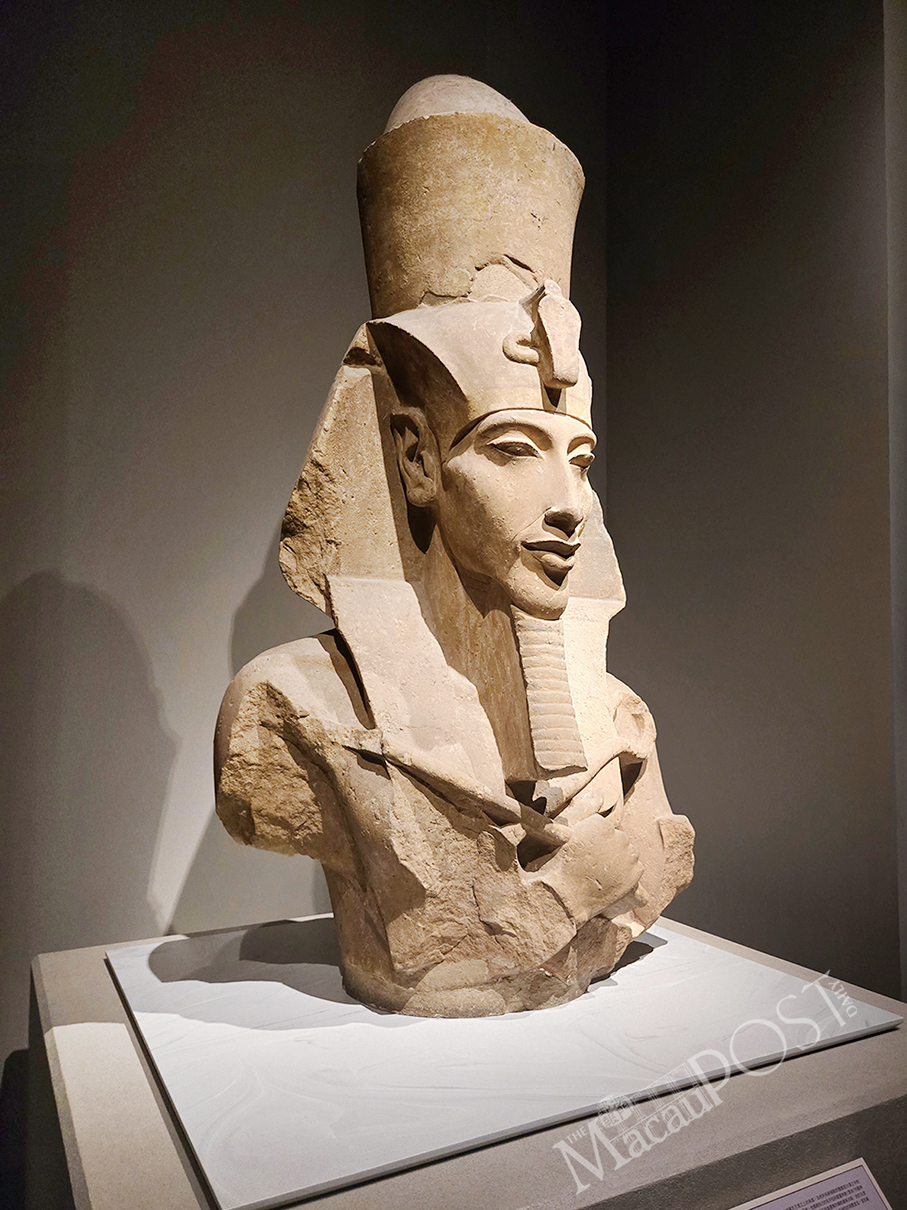
The colossal statue of Akhenaten, from the 18th Dynasty (about 1550–1295 BCE) and carved from sandstone with pigment, is originally housed in the Egyptian Museum in Cairo.
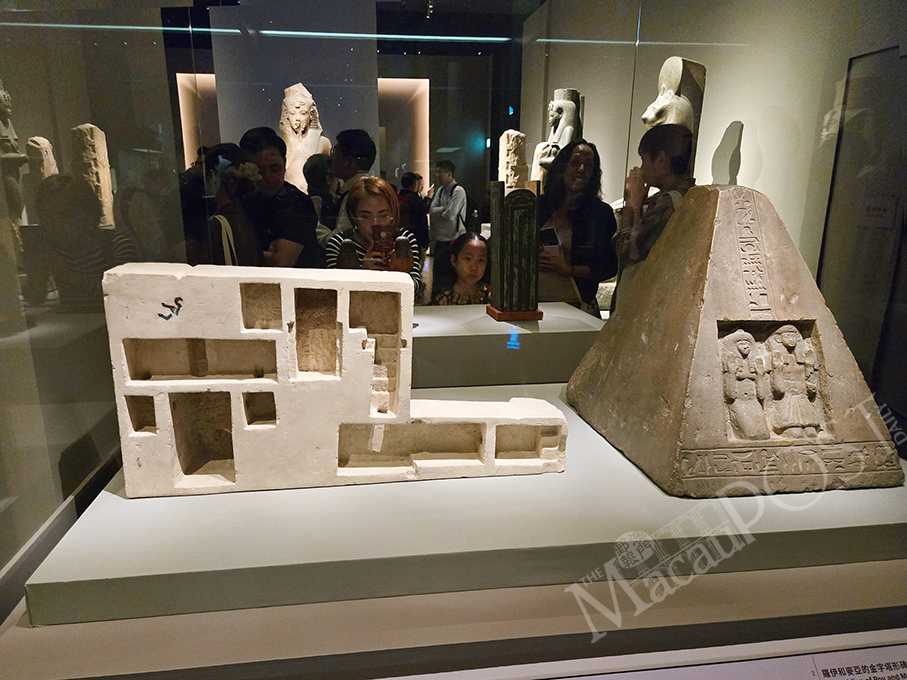
A model of the substructure of Amenemhat III’s pyramid, dating to the 12th Dynasty (1985–1773 BCE) and carved from limestone, is originally housed in the Egyptian Museum in Cairo. – Photos: William Chan
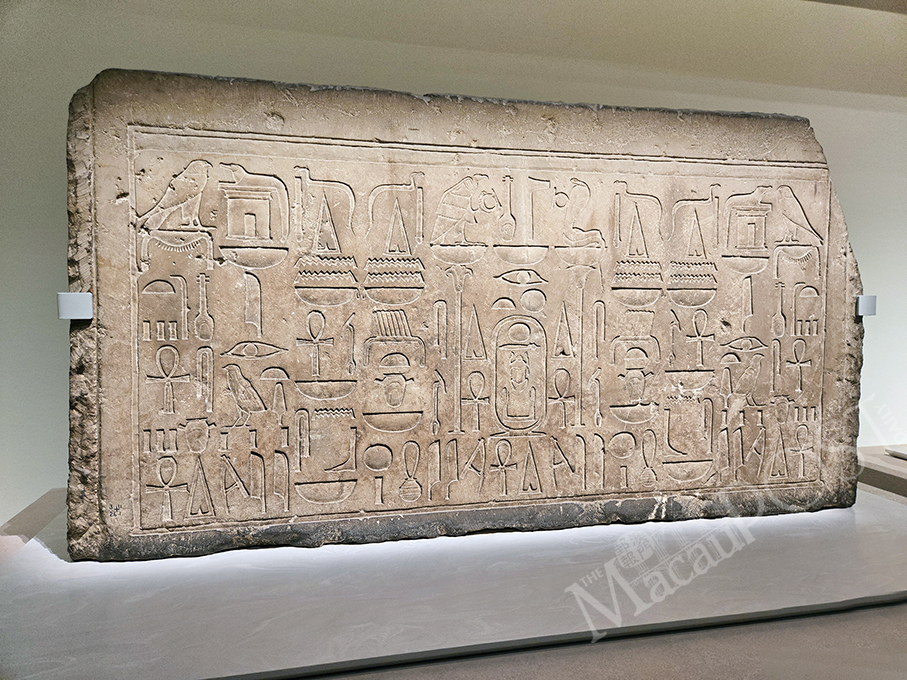
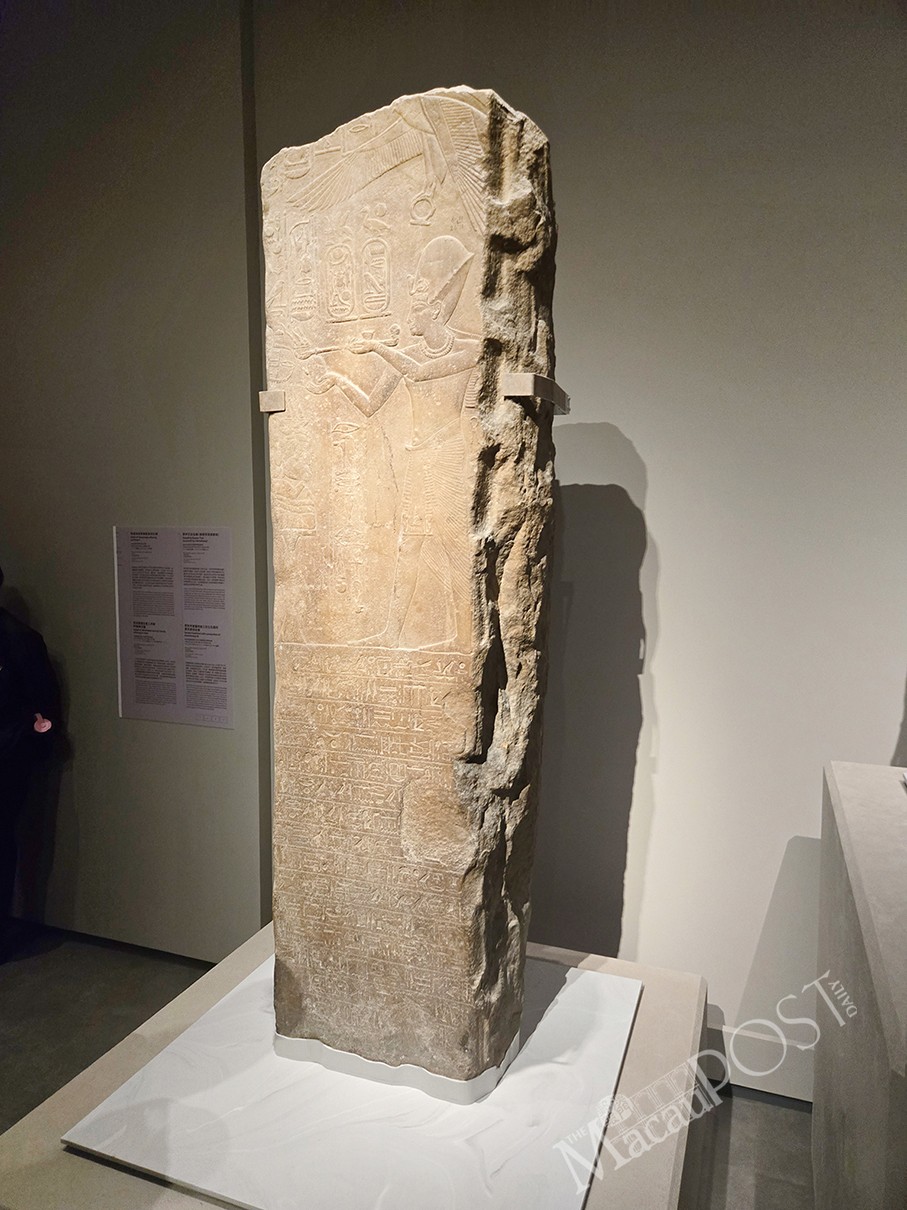
A lintel inscribed with a cartouche of Thutmose I and text of deities, dating to the 18th Dynasty (about 1550–1295 BCE) and carved from limestone, is originally housed in the Egyptian Museum in Cairo.