Interview by William Chan
For years, Comuna de Pedra (“Stone Commune”) has been deeply rooted in the local community, creating inclusive theatre for people with disabilities and the elderly.
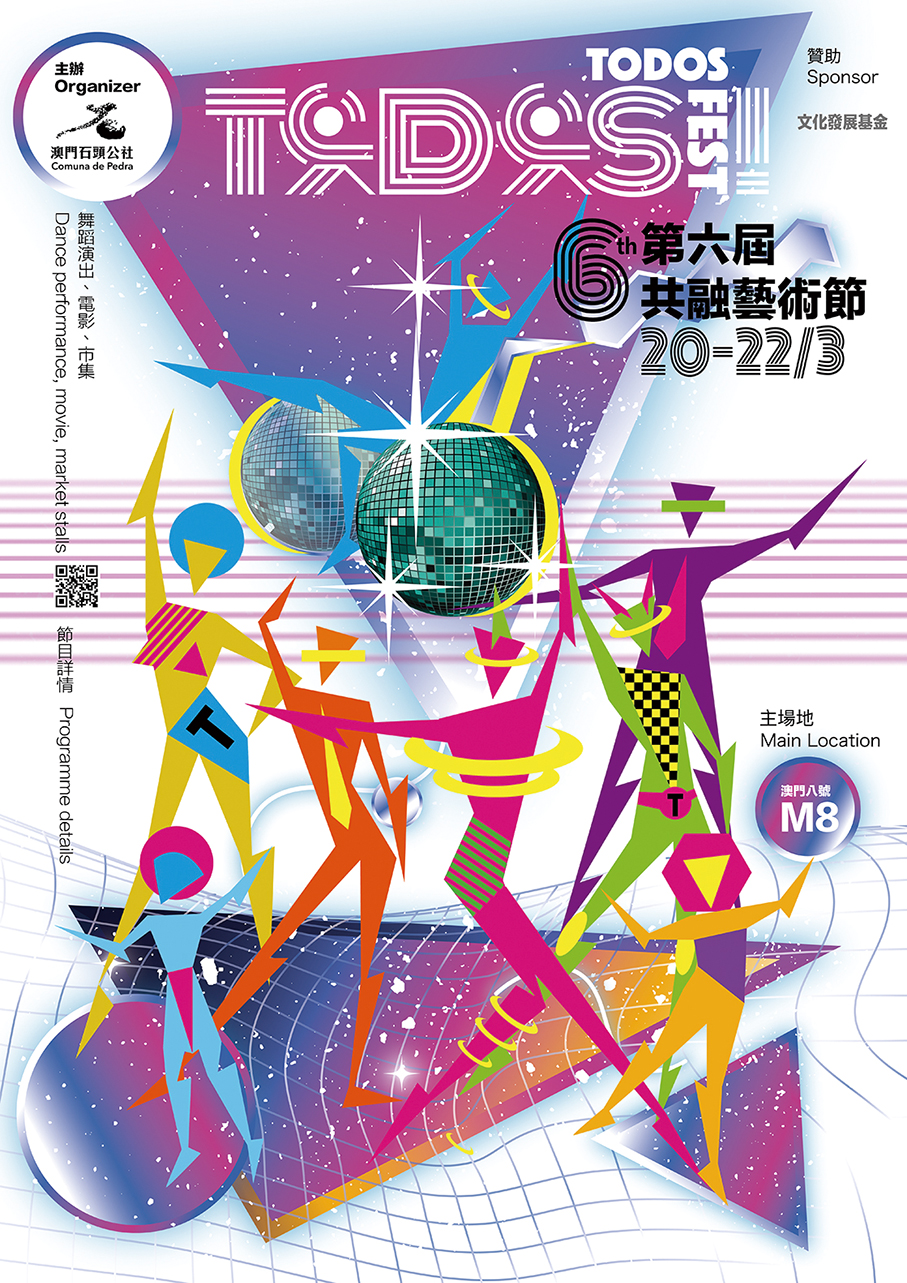
The sixth edition of its “TODOS Fest! Inclusive Arts Festival”, being held from March 20 to 22, once again puts its core belief into practice: “Inclusive art is essential for building an inclusive society.” This year, the festival introduces two unique overseas projects – “Noon Disco” and “ARCADE” – hoping to sow the seeds of inclusion in different corners of the city in a more interactive and intimate way.
Recently, the Post had an in-depth conversation with the festival’s driving force, artistic director and curator Jenny Mok Sin Teng, to discuss how she transforms abstract ideas into tangible artistic experiences for the audience, and the realities and aspirations of promoting inclusive arts in Macau.
As a long-term reporter and audience member of Comuna de Pedra, I have observed that the association has always emphasised that art can change the public’s aesthetic perspective. When asked how this year’s festival aims to achieve this, Mok said she believes that performing arts are inherently a transformative experience. “Whether you are a participant or a spectator, you change after going through the process of artistic creation,” she noted. “It’s not a consumer product; it’s an experience that gives you a new understanding of yourself, the world, and your relationships with others.”
This year’s “Noon Disco” and “ARCADE” are manifestations of this philosophy. Both works strongly emphasise audience participation, actively reaching out to the public and inviting them to be involved in the performance, transforming them from distant observers into an integral part of the artistic experience.
‘Noon Disco’
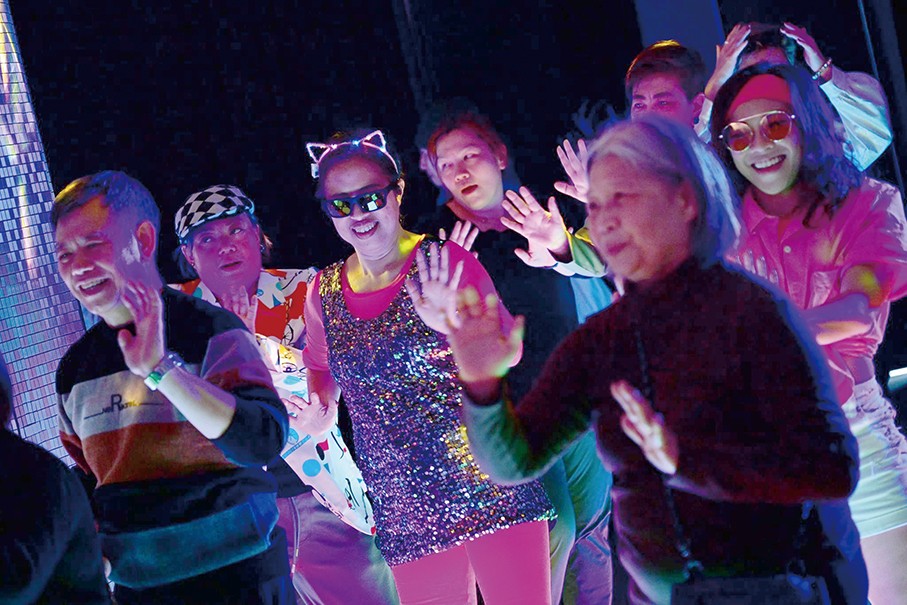
Speaking of “Noon Disco,” a project designed for the elderly, Mok admits that as people age, their social circles inevitably shrink, and a sense of loneliness grows. “Our society, on many levels, is not designed for the elderly or people with disabilities,” she said
By recreating the Disco culture of the 70s and 80s, “Noon Disco” not only evokes collective memories for the “silver-haired generation” but, more importantly, encourages them to be active and relive their “glory days” through familiar music. “We hope that through the simple act of dancing, they can feel vibrant again and reconnect with their younger selves,” Jenny emphasised. The project also welcomes younger generations and family members to join in, fostering mutual understanding and connection in a cross-generational dance party atmosphere.
‘ARCADE’
Another highlight, “ARCADE,” is a mobile street dance game that forgoes traditional venues, choosing instead to appear in bustling community spaces like the Kun Iam Ecumenical Centre waterfront, Camões Garden, and A-Ma Temple Square. “We choose to actively go to the audience, to where the people are,” Mok underlined.
Created by a British dance company and co-produced with a Hong Kong group, the project consists of a series of dance games that invite passers-by to join in at any time. “The audience can just watch, or they can be invited to participate.” This strategy of integrating art into daily life aims to reach a broader public, allowing art to happen in a relaxed and playful way.
4 docs: raising questions, broadening perspectives
In addition to performances, this year’s festival includes the screening of four documentaries, several of which focus on individuals with disabilities. As a documentary filmmaker herself, Mok shares her motivation: “I love documentaries because they offer in-depth and diverse perspectives to understand an issue.”
She admits that her creative process often starts with questions. “When I encounter social situations I don’t understand, I create with questions in mind,” she said. “I may not have the answers, but I hope that through this action, I can find something that might answer my questions.” Mok said she hopes these works can open up different viewpoints for the audience, allowing them to build a more multi-dimensional understanding of events through varied interpretations.
When talking about the challenges of organising an arts festival in Macau, Mok candidly said, “We take it one festival at a time” – a pragmatic outlook shaped by real resource constraints.
Asked what she would do with full support, Mok replied that she envisions two parallel paths: bringing in mature inclusive arts productions from abroad to challenge local perspectives, while continuing to cultivate homegrown work. “Creating local productions is essential because this soil needs to be nurtured,” she said, noting that collaborating with communities with intellectual disabilities demands considerable time, manpower, and funding.
Noon Disco, film screening, and an inclusive market will be held at M8, the mall near the city’s main square, Largo do Senado. Tickets for Noon Disco are priced at 80 patacas, while ARCADE is free to attend, whereas the documentary screenings operate on a pay-what-you-want basis. For more information and to purchase tickets, visit
https://form.jotform.com/260541673790461.
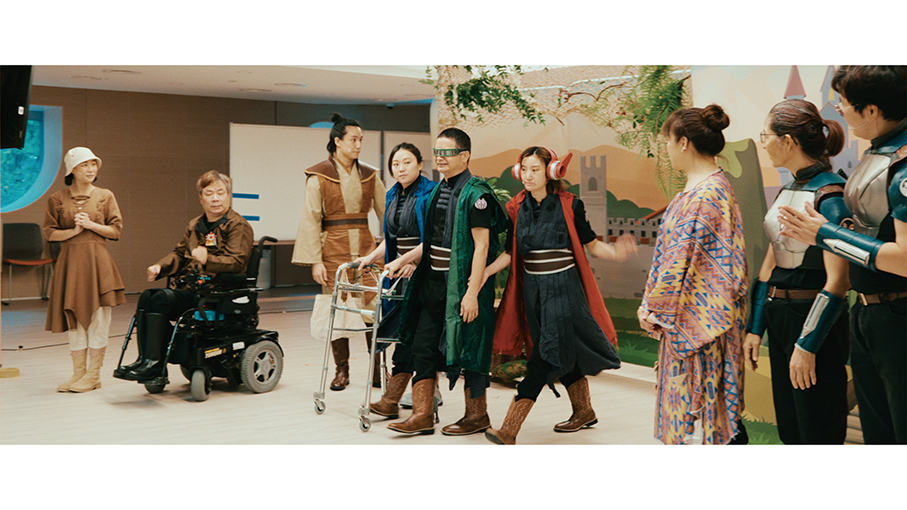
Scene from the documentary “Nothing More to Say”
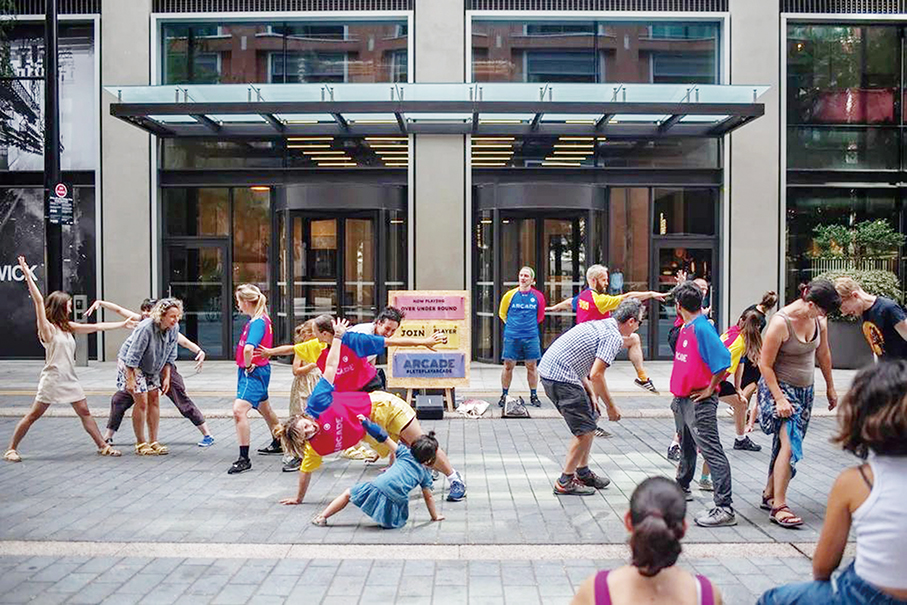
Undated file photo of “ARCADE,” the mobile street dance game hosted in other cities

Undated file photo of Jenny Mok posing – Photos provided by Comuna de Pedra