What’s behind the global craze of blind boxes?
Zaira Wong Ieok Lam (S5D) & Jacinta Lei In Chi (S6C)
What’s the new trend that influencers, households, and even BLACKPINK’s Lisa are embracing? You guessed it – it’s none other than blind boxes! Resellers queue for hours to flip these mysterious figures at “skyrocketing” prices. But what’s behind the appeal of this global craze?
Blind boxes are collectibles sold in sealed packaging, hiding their contents. Buyers love the thrill of surprise, often chasing rare or limited editions. This sense of anticipation has propelled the industry’s meteoric rise.
However, beneath the allure of blind boxes lies a concerning dark side. Macau’s Social Welfare Bureau (IAS) has flagged that many local youths are getting caught up in blind box-related issues, with some borrowing money to buy them, treating the phenomenon like a form of gambling.
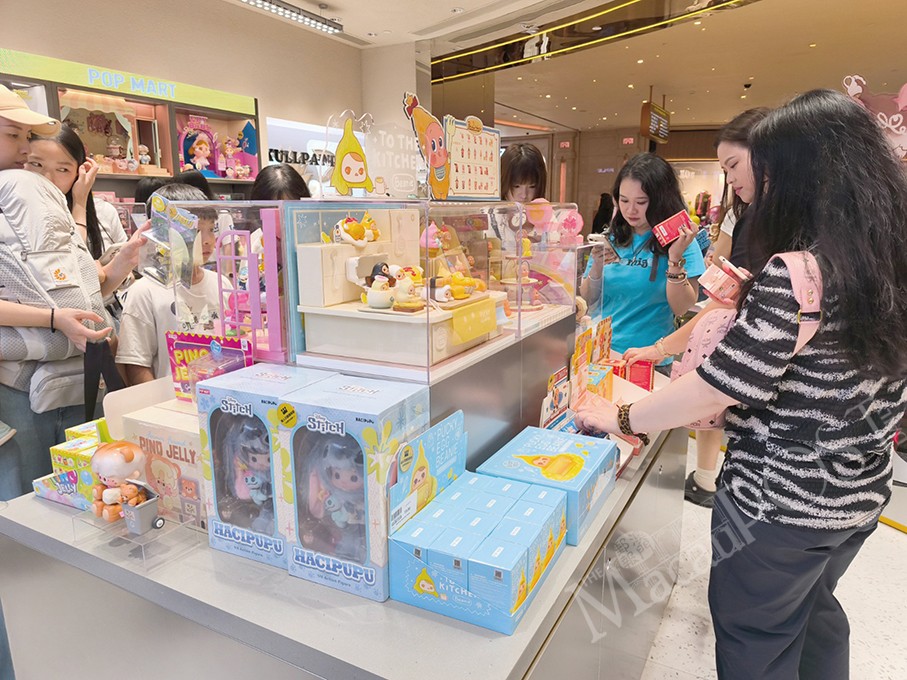
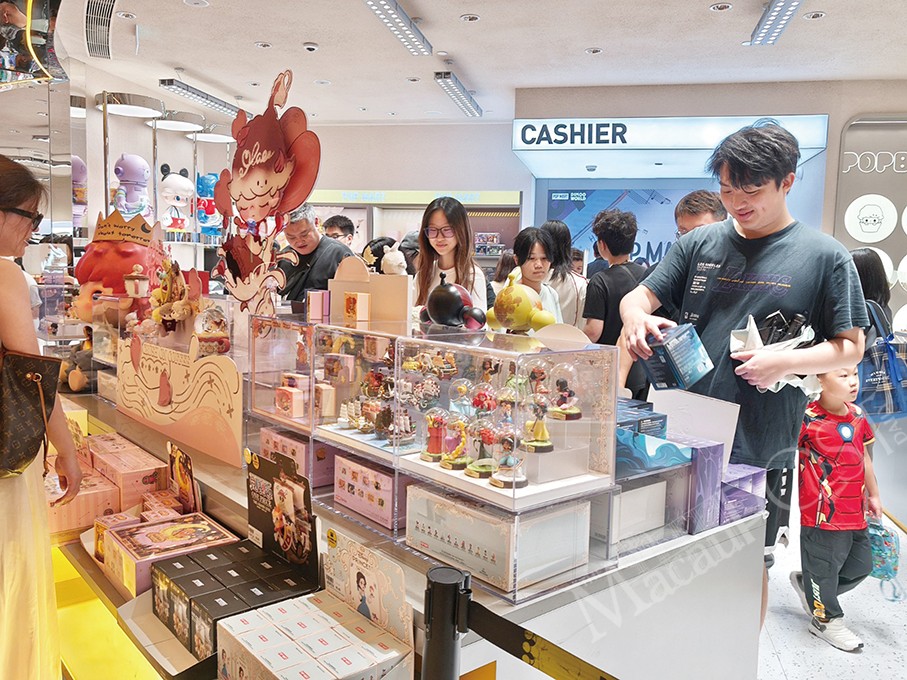
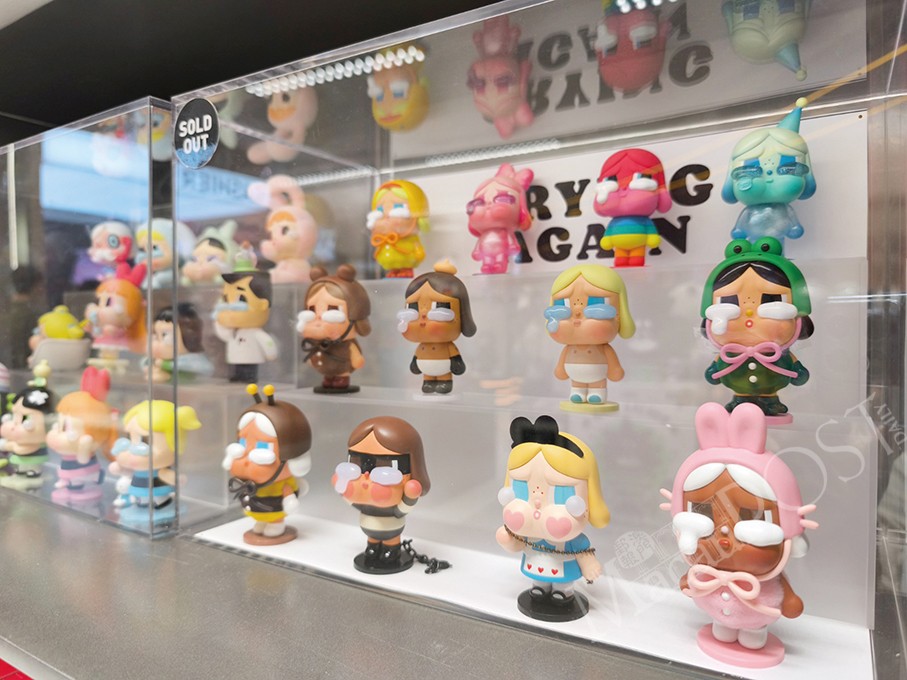
Customers shop at the POP MART store in Galaxy Macau in Cotai. – Photos: Pui Ching Middle School
Insights from counsellor on blind box addiction
Dickson Ng Kuan Hou (S6A), Dickson Ho Hang U (S6F)
The recent trend of blind boxes has raised concerns about the potential for addiction among youngsters. In May of this year, students from Pui Ching Middle School interviewed Jacob Choi Chan Hong, a counsellor from the Sheng Kung Hui Gambling Counselling and Family Wellness Centre, to hear his advice on this issue.
Q: What is the mindset of consumers buying blind boxes?
A: The psychological state of someone buying blind boxes involves uncertainty, expectations, and thrills that trigger dopamine release.
If we receive an item that doesn’t meet our expectations, we may feel disappointed and be tempted to buy another one. This can also affect our mood and alter our mental state, prompting us to make another purchase.
Q: What advice would you give teenagers?
A: In Macau, young people under the age of 21 are not allowed to enter casinos to gamble. To pursue excitement, some of them may opt to buy blind boxes.
It’s not that seeking excitement is bad; after all, the desire for pleasure is a normal part of being human. However, this raises an important question: Is there a healthy way to meet these needs?
Engaging in positive social interactions, pursuing hobbies, and practising sports are much better options. Developing our personal talents and hobbies can definitely steer us away from addiction.
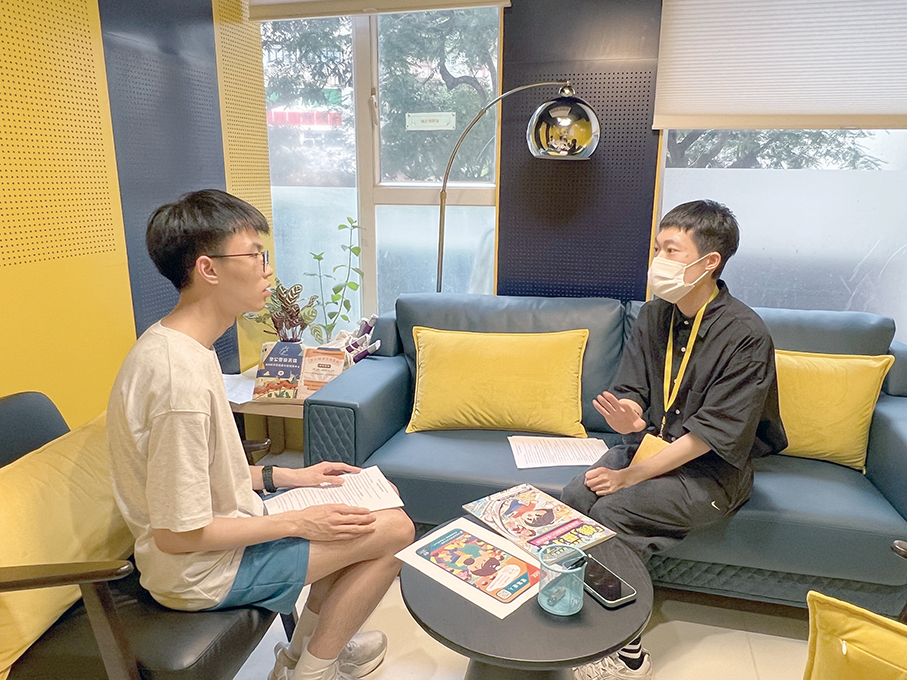
A student from Pui Ching Middle School is interviewing counsellor Jacob Choi Chan Hong at the Sheng Kung Hui Gambling Counseling and Family Wellness Centre in May this year.
Survey findings on blind box purchases
Zaira Wong Ieok Lam (S5D)
In May this year, students from Pui Ching Middle School conducted an online survey, gathering responses from 246 students aged 14-17 at our school. The results revealed a notable interest in purchasing blind boxes, along with some surprising and concerning trends.
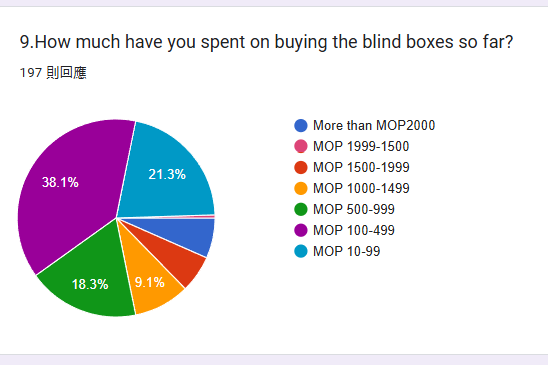
Among the respondents, about three quarters reported having bought at least one blind box before. Specifically, 38.1 percent of students who had purchased blind boxes indicated spending between 100-499 patacas, while 18.3 percent spent 500-999 patacas, and 6.6 percent exceeded 2,000 patacas. This indicates that some students are deeply invested in this hobby.
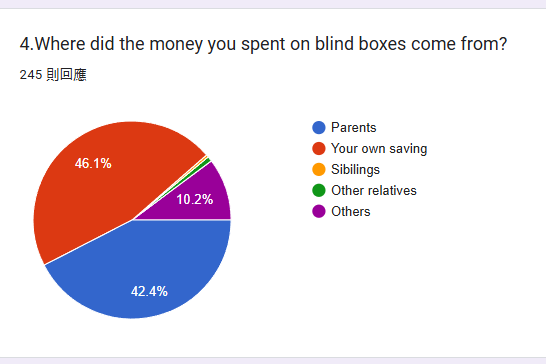
Financially, 46.1 percent of respondents who were blind box consumers used their own savings to buy blind boxes, whereas 42.4 percent relied on funds provided by their parents. Alarmingly, nearly 10 percent of them admitted to borrowing money from others to finance their purchases.
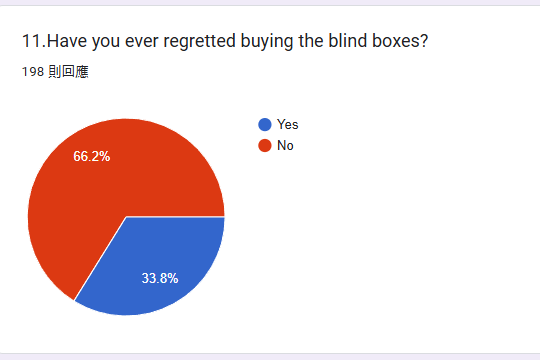
Despite the enthusiasm for blind boxes, a third of respondents who had purchased them expressed regret over their purchases, primarily due to unmet expectations or realising they had overspent.
In conclusion, while blind boxes continue to be popular, they raise significant concerns regarding spending habits, regret, and impulsive buying behaviour.