Interview by William Chan
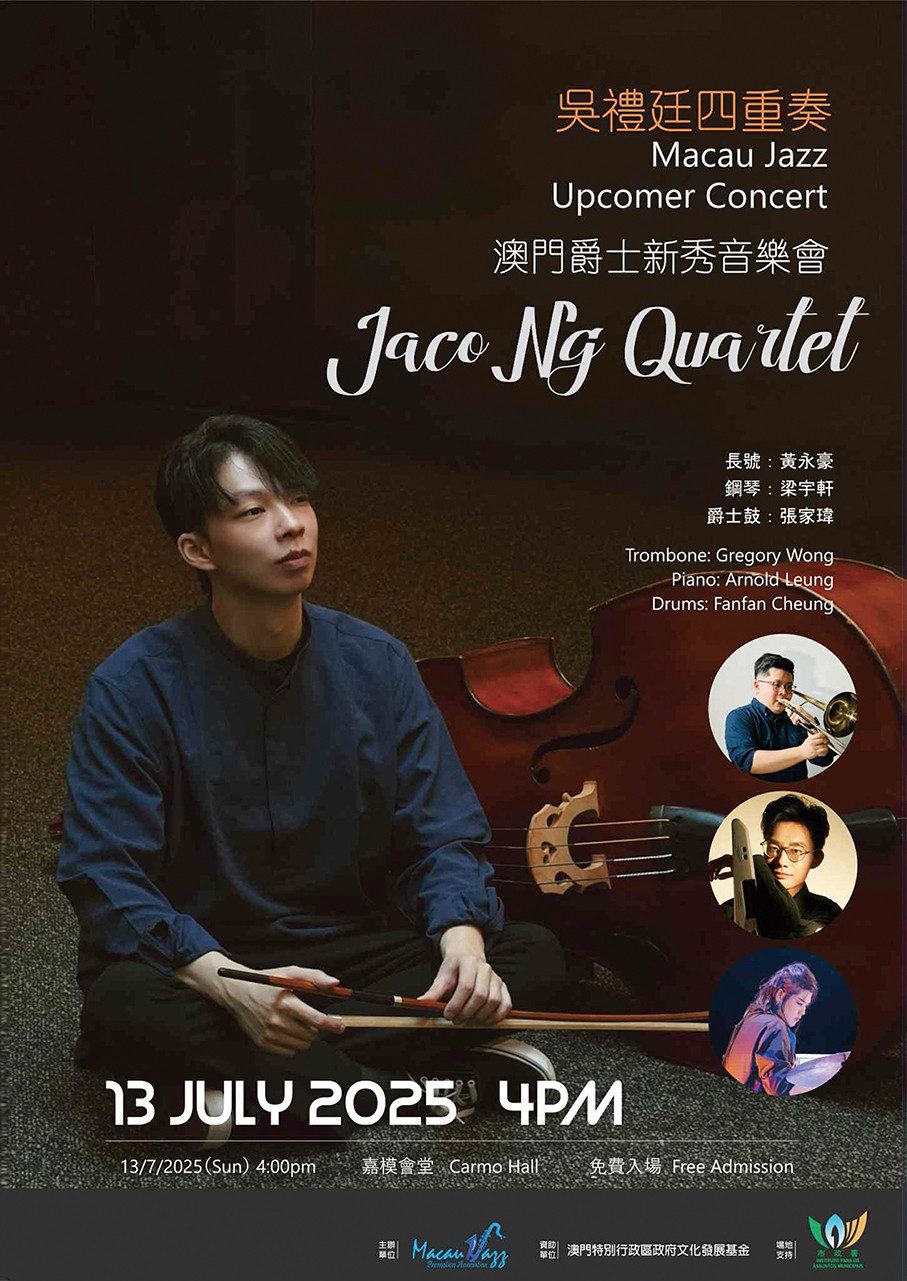
The Jaco Ng Quartet, led by local bassist Jaco Ng (吳禮廷) and featuring three other local musicians, will take to the stage at Carmo Hall in Taipa on July 13, Ng told the Post in an online interview last week.
Organised by the Macau Jazz Promotion Association (MJPA), the concert is part of the Macau Jazz Upcomer Concert series, which aims to introduce local musicians - many of whom studied abroad and have returned to Macau - to a wider audience.* The series has already featured several up-and-coming jazz artists, with Ng being the latest addition.
Born in Hong Kong, Ng began studying the double bass at age 17. He graduated in 2020 from the Macau Conservatory’s secondary school programme, majoring in Double Bass.
“I moved to Macau with my father when I was young, so I’ve been studying here ever since, all the way through high school,” Ng said. “My first instrument was the piano, and thanks to the influence of my dad, who also sings and plays the electric bass, I started picking up his hobbies one by one.”
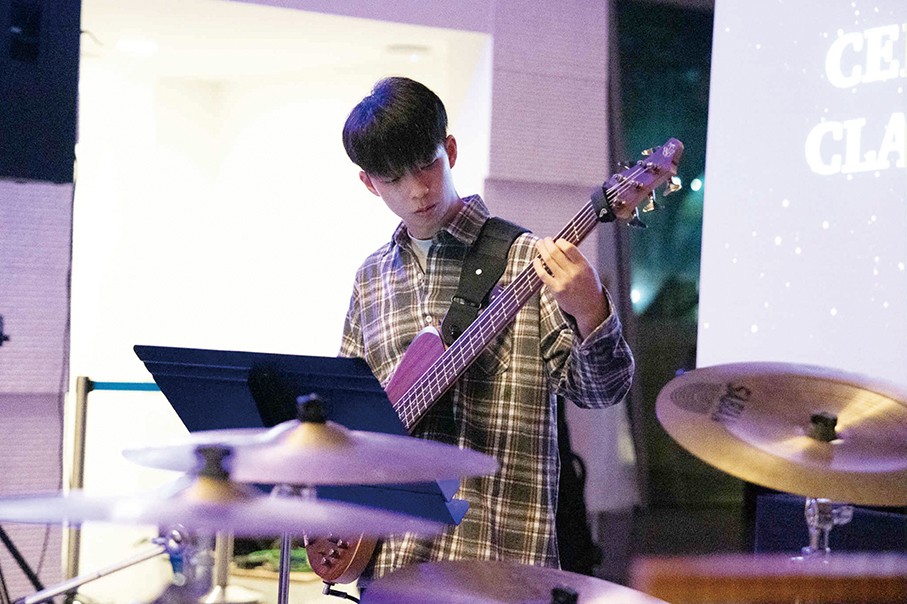
He continued, “Eventually, I became most fond of playing the electric bass as I got into jazz, leading me to pick up the double bass. Even when I was young and listening to music, I would pay close attention to what the bass was doing in the background. Initially, I started learning the double bass simply because I wanted to improve my electric bass skills—since in jazz, the double bass is considered the next level up from the electric bass. As I explored classical double bass, I realised I really enjoyed it and that it suited me well, so I kept going.”
According to DeepSeek, the electric bass (also called bass guitar) and the double bass (also called upright bass or acoustic bass) are widely used in jazz music, but they serve different roles depending on the style and era of jazz.
On the role of the double bass in both jazz and classical music, Ng said, “In both genres, the double bass provides the foundation for the lower register, but the way you play it is very different. In jazz, you have a lot of freedom within the structure [the chords], and you can try many different things. Most of the time, you use pizzicato**, and arco*** is less common. In classical music, everything is more regulated. You can interpret the music from different angles, but you can’t deviate significantly from what the composer and other musicians have written. In classical, you usually play arco, and pizzicato is used more as an accent.”
When asked about his bandmates in the upcoming quartet concert, Ng said, “The musicians performing with me this time are friends I met through the jazz association. We used to play together quite a bit. Choosing the setlist took some time because I wanted to find songs that suit my style and cover a wide range of musical genres, so the audience wouldn’t get bored.” He also expressed his gratitude to the Macau Jazz Promotion Association for the invitation.
Despite his passion for jazz, Ng has decided to continue his studies in classical double bass performance, beginning in September at LUCA School of Arts in Belgium. When asked about the music scene in Macau, he remarked: “The music environment in Macau is gradually improving, but it’s still very different to Singapore’s. Singapore has many professional music groups of varying sizes – though not all are equally high-level, I think they’ve done quite well in this regard compared to other Asian regions. The audience there is also very open to diverse genres. From a musician’s perspective, Singapore offers many different career paths, whether in performance or teaching, and the general public is very supportive of local ensembles and culture.”
The performance will take place on July 13 at 4 p.m. at Carmo Hall near the Taipa Houses, with free admission. The concert will be divided into two parts. The first part transitions from classic swing, modal, and lyrical styles to the more modern-sounding tunes, while the second part centres on funk/groove as its theme and concludes with a ballad.
*https://macaupostdaily.com/news/22589
**Pizzicato is a musical term derived from Italian, meaning “plucked.” It refers to a technique used primarily with string instruments (like the violin, viola, cello, and double bass) where the player plucks the strings with their fingers instead of using the bow. – DeepSeek
***Arco is an Italian musical term used in string instrument notation (violin, viola, cello, double bass) meaning “with the bow.” It tells the player to use the bow (after a section played pizzicato) and produces smooth, sustained notes (unlike the short, plucked sound of pizzicato). – DeepSeek

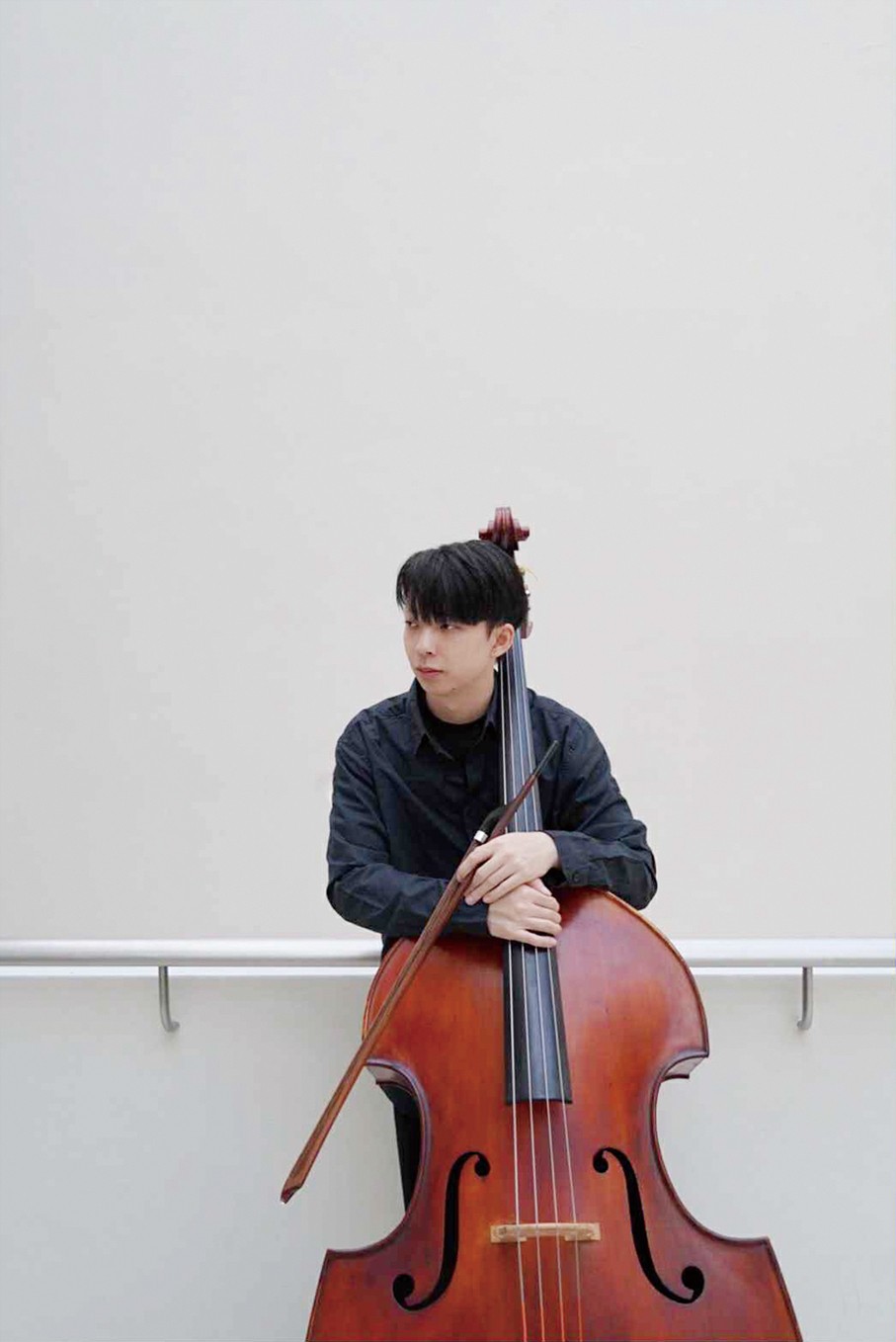
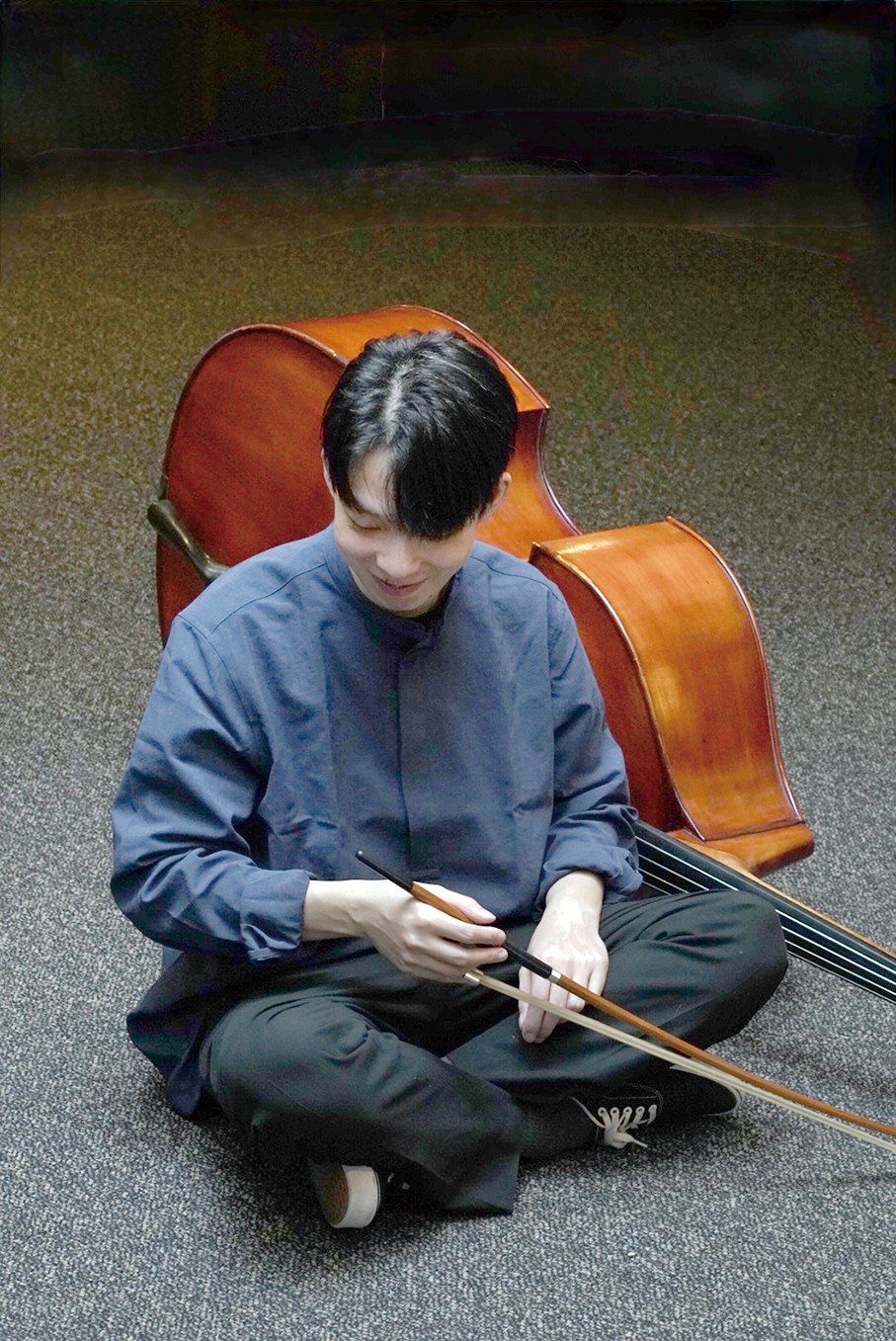
This undated photo shows Jaco Ng playing the double bass. – All photos provided by Ng